
Nectria canker of magnolia
Nectria magnoliae
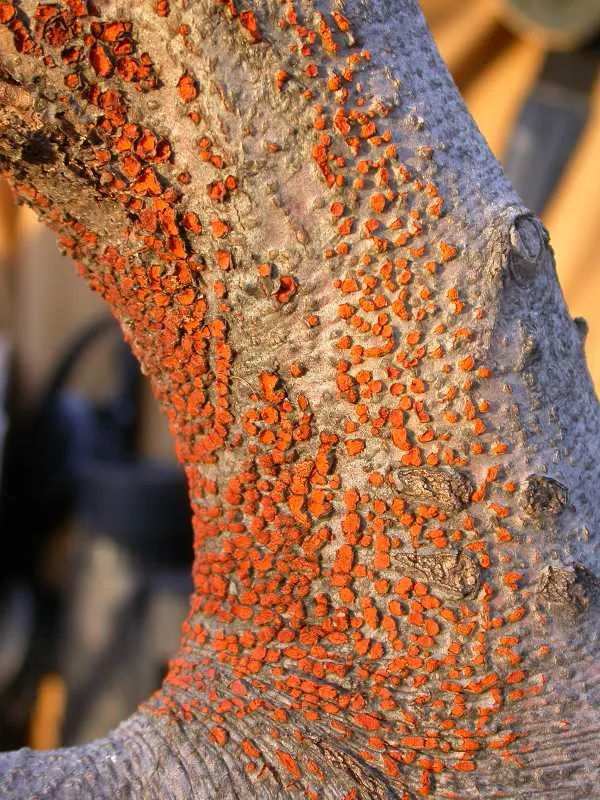
Description
Symptoms
The primary symptom is the formation of depressed, discolored cankers on branches or the main trunk, which often expand over time as the disease progresses.
The bark surrounding the canker may crack and peel, exposing the underlying woody tissue, which is often dry and brittle due to tissue necrosis.
Small, bright red or orange clusters of fungal fruiting bodies appear on the margins of the necrotic area, serving as a clear indicator of Nectria presence.
Branches distal to the canker site frequently show signs of chlorosis, wilting, and eventually dieback as the pathogen disrupts the tree's vascular system.
If the canker girdle develops around the stem or major branches, it typically results in the sudden death of the entire limb or the upper canopy of the magnolia.
Pathogen
The disease is caused by the fungus Nectria magnoliae, which is a common ascomycete pathogen responsible for necrotic lesions on woody plants.
The fungus acts as a wound parasite, entering the tree through damaged bark, pruning cuts, or natural fissures caused by environmental stress.
Once established, the pathogen colonizes the cambium and xylem, releasing toxic metabolites that cause the death of localized tissues and prevent sap flow.
The lifecycle involves the production of small red or orange fruiting bodies (perithecia) on the surface of the bark, which release spores during humid conditions.
The mycelium of the fungus is persistent and can remain active within the bark and sapwood during the winter, ensuring infection continues the following spring.
Conditions for development
Nectria canker thrives in cool, wet climates where high humidity persists for long periods, providing favorable conditions for spore germination and colonization.
Trees that have been physically damaged by frost, heavy winds, hail, or improper pruning are significantly more susceptible to Nectria magnoliae infection.
Poor site selection, such as planting in low-lying areas with stagnant water or poor air circulation, encourages the development and spread of the fungus.
General stress factors, including nutrient deficiency or drought, can weaken the tree's natural defense mechanisms, making it an easy target for pathogens.
The rapid spread within an orchard or landscape is often facilitated by rain splashes, wind currents, and contaminated tools used for pruning during the dormant season.
Why it matters
Nectria canker is highly damaging because it targets the structural and vascular integrity of the tree, which can lead to rapid and irreversible limb dieback.
In mature magnolias, large cankers can weaken the structural integrity of the branches, creating a safety hazard due to the risk of limb breakage.
The disease significantly reduces the aesthetic value of the tree, making it unsightly and unfit for high-visibility ornamental landscapes or gardens.
If left untreated, the pathogen can slowly consume the main trunk, eventually killing the entire specimen and necessitating costly removal of the tree.
Furthermore, an infected magnolia serves as a reservoir of spores that can easily spread to other susceptible trees within the immediate vicinity.
Protection
Sanitation is the most critical control strategy; remove and destroy all infected branches, ensuring cuts are made well into healthy tissue below the canker.
Always sterilize all pruning tools with a 70% alcohol solution or a bleach solution between every cut to prevent spreading the pathogen to healthy branches.
Apply copper-based fungicides as a protective measure during the early spring to inhibit spore germination and protect any open wounds on the tree bark.
Improve overall tree vitality through proper fertilization, adequate watering during dry spells, and maintaining healthy soil conditions to boost natural resistance.
Avoid unnecessary pruning during wet or humid weather, as this is when the risk of fungal spore transmission and colonization is at its absolute peak.
Discussion
No discussions yet — be the first.