
Needle cast disease
Schizothyrium cryptogamum
The primary symptom of needle cast disease is the premature yellowing and subsequent browning of needles on current-year shoots. Symptoms typically emerge in late summer or early autumn.
What the section contains
Needle cast disease
Tiny black fruiting bodies of the fungus, known as apothecia, appear on the surface of the needles. These structures are flat and often form rows along the length of the needle.
Severe infestations result in heavy needle drop, causing shoots to become bare. The tree loses its aesthetic appeal and appears visibly weakened.
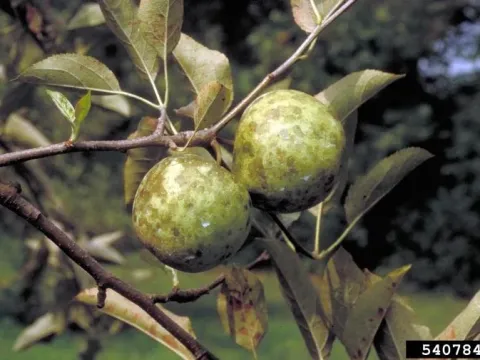
Unlike other needle diseases, Schizothyrium cryptogamum gives the foliage a spotted appearance due to the uneven distribution of fungal spores across the needle surface.
A crucial diagnostic feature is the presence of fungal structures on living or recently dead needles, distinguishing this pathogen from saprophytic fungi that grow only on decaying tissue.
The causative agent of the disease is the ascomycete fungus Schizothyrium cryptogamum. This is a highly specialized pathogen that primarily infects conifer species.
The life cycle involves the formation of apothecia—sexual reproductive organs. These develop directly on the needles, allowing the pathogen to survive during winter months.
Spore dispersal occurs via wind during periods of high humidity. The infection penetrates the plant tissues through natural openings and stomata.
Fungal mycelium grows within the needle tissues, gradually destroying chlorenchyma cells. This process disrupts photosynthesis and leads to the eventual death of the organ.
The pathogen's biology is closely linked to the microclimate of the tree canopy, which maintains the required moisture levels for spore germination and fruiting body formation.
Needle cast development is promoted by periods of excessive moisture and prolonged rain. High air humidity is the key factor for activating the infection cycle.
Dense plantings, where natural air circulation is restricted, create ideal conditions for spore accumulation. In such environments, the disease spreads significantly faster.
Stressed trees suffering from nutrient deficiencies or poor soil conditions are highly susceptible to initial infection by the fungus.
Temperatures ranging from 15 to 22 degrees Celsius are optimal for the rapid growth and colonization of Schizothyrium cryptogamum.
Lack of sanitary pruning contributes to higher disease pressure, as infected needles left under the tree serve as a persistent source of inoculum for the next season.
The damage caused by the disease stems from premature needle loss, which critically weakens the plant. The tree loses its ability to sustain itself through photosynthesis.
Prolonged infection leads to shoot dieback and general growth stunting. In severe cases, the plant may completely lose its decorative value or die.
Conifers weakened by needle cast become highly vulnerable to secondary pests, such as bark beetles or stem rots, which easily invade the compromised trees.
For tree nurseries, the presence of this pathogen is a major threat, as it can destroy a significant portion of the marketable inventory within a single season.
Economic losses include the cost of fungicide treatments, loss of seedling quality, and the necessity of replacing dead plants in managed landscapes.
The main preventive method is good horticultural practice: avoid overcrowding during planting. Ensuring good air circulation within the canopy is essential for conifer health.
Sanitary maintenance is vital: timely collection and disposal of fallen needles, which serve as the primary reservoir for infection, significantly reduces the risk of recurrence.
Preventive fungicide treatments based on copper or systemic broad-spectrum agents are recommended during periods of active spore release.
Supporting plant immunity through balanced fertilization with micronutrients improves the natural resistance of conifers to fungal attacks.
- Regular monitoring of needle health throughout the growing season.
- Pruning of infected branches to enhance airflow.
- Usage of only disease-free planting material from certified nurseries.