
Naetrocymbe
Naetrocymbe
Naetrocymbe is a genus of fungi belonging to the class Ascomycetes, which are often confused with lichens due to their intimate association with the bark of trees. These fungi are technically epiphytic, using the bark surface as a substrate for growth.
What the section contains
Naetrocymbe
These organisms are not primary pathogens that aggressively attack and kill healthy trees. Instead, they thrive on organic debris and exudates on the surface of the bark, often appearing in conjunction with other lichenized fungi or algae.
The genus includes several species, with Naetrocymbe punctiformis being a frequent occupant of the bark of various hardwood trees in temperate regions. It is characterized by small, inconspicuous fruiting bodies.
Biologically, these fungi are adapted to survive in moist environments. They do not penetrate deep into the woody tissue, but their presence is a clear indicator that the tree surface is conducive to fungal colonization.
In agronomy, the presence of Naetrocymbe is considered a sign of poor tree maintenance, low air circulation, or environmental conditions that favor the development of superficial fungal flora.
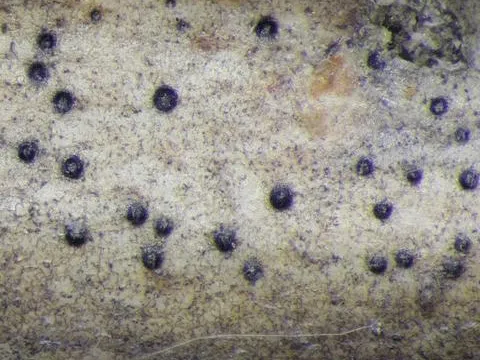
The first signs of Naetrocymbe infection include the appearance of small, dark, punctiform or rounded spots on the bark. These spots can range from grey to brown or black, often blending into a mottled appearance.
As the colonization progresses, the spots may coalesce, covering larger areas of the trunk and branches. This can result in a "dusty" or "dirty" appearance of the bark, which is often misidentified as simple dirt or environmental staining.
Using a hand lens, one can observe tiny black dots on the bark surface. These represent the perithecia (fruiting bodies) of the fungus, which emerge through the outer layers of the bark and are diagnostic for the genus.
The fungus is most visible on trees with rough or deeply fissured bark. The crevices provide perfect shelter and moisture-holding capacity for the fungal mycelium to establish itself.
In many cases, the bark color changes significantly over time, and the texture becomes rougher, which can negatively affect the overall appearance and vigor of the tree.
High humidity and consistent moisture levels are the most critical factors for the development of Naetrocymbe. The fungus flourishes in environments where the bark remains damp for extended periods, such as in rainy or foggy climates.
Dense tree canopies that restrict airflow and limit sunlight penetration create a stagnant microclimate. This prevented evaporation of surface moisture, facilitating the growth of fungal colonies.
Poor orchard management, including the failure to remove dead wood or diseased limbs, provides abundant substrate for the fungus to establish its initial colonies before spreading to healthy bark.
Cool and humid weather patterns, particularly during the spring and autumn months, offer the most favorable conditions for spore dispersal and colonization of new bark surfaces.
Trees that are poorly maintained or experiencing stress are more likely to harbor these fungi, as they often have slower bark renewal and a more suitable surface for epiphyte attachment.
The primary concern with Naetrocymbe is not the direct destruction of wood, but the facilitation of secondary issues. The dense fungal growth can create a refuge for harmful pests like scale insects or mites.
Over time, heavy colonization of the bark can interfere with the tree's gas exchange processes. While the impact may be subtle, it can contribute to a gradual decline in the tree's overall health and growth rate.
From an aesthetic perspective, the presence of these fungi is considered a sign of a neglected or unhealthy landscape. This is a significant factor for ornamental gardens, nurseries, and public parks.
Affected bark may become more brittle and susceptible to damage from environmental stressors like severe frost or sunburn, leading to cracks that allow more dangerous pathogens to enter the inner wood.
The existence of Naetrocymbe reflects a weakened tree that may be more vulnerable to more aggressive pathogens, such as fungal cankers or vascular wilt diseases, if its immune defenses are compromised.
Effective control focuses on improving tree health and optimizing the orchard environment. Regular pruning to thin out the canopy is essential, as it increases airflow and light penetration, helping to keep the bark dry.
Mechanical cleaning of the trunk and major branches can effectively remove established fungal colonies. This should be done carefully using specialized bark scrapers to avoid damaging the living cambium layer.
Chemical control, such as the application of copper-based or iron sulfate fungicides, can be used as a dormant season treatment. These sprays are effective at reducing spore populations and limiting the further spread of the fungus.
Maintaining tree vigor through proper fertilization and irrigation is vital. A healthy tree can better protect itself and maintain a clean, resilient bark surface.
- Promote airflow by proper canopy pruning.
- Sanitize tree trunks by removing dead bark.
- Apply preventative fungicide sprays during the dormant season.
- Monitor for and manage pest populations that hide in fungal mats.