
Naevala perexigua
Naevala perexigua
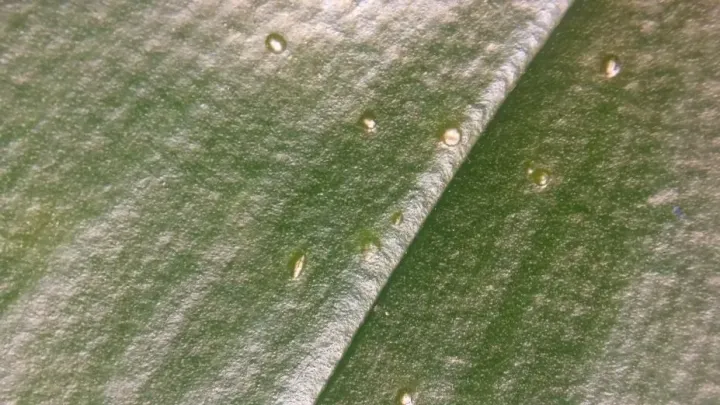
Description
Symptoms
The initial signs of infection are the appearance of small, inconspicuous spots on leaves or stems, which can be easily overlooked during field inspections.
As the infection progresses, tiny, disk-shaped fruit bodies form on the necrotic areas of the plant tissue, representing the sexual stage of the fungus.
Affected tissues often exhibit chlorosis or necrosis, turning pale or brownish as the fungus impairs the metabolic processes of the host cells.
Under humid conditions, a fine coating or mold-like growth may be visible on the surface of the lesions, consisting of fungal hyphae and reproductive structures.
The visual symptoms often resemble the natural senescence of leaves, which requires careful observation to distinguish from physiological aging.
Pathogen
The causal agent of this disease is the fungus Naevala perexigua, which belongs to the class Ascomycetes. This organism typically leads a saprotrophic or weakly parasitic lifestyle.
The life cycle involves the production of apothecia, which are small fruit bodies where spores mature and are dispersed by wind to colonize new plant tissues.
The fungus is capable of surviving for extended periods in plant debris, serving as a primary reservoir of inoculum for subsequent growing seasons.
The biology of Naevala perexigua is closely associated with the decomposition of organic matter, making it a common component of diverse mycobiota.
Active sporulation occurs primarily under conditions of high humidity, facilitating the spread of the fungus across suitable host plants.
Conditions for development
The development of Naevala perexigua is heavily dependent on high relative humidity and consistent moisture, which are critical for spore germination.
Moderate temperatures provide the ideal environment for the mycelial growth and successful colonization of plant tissues by the pathogen.
Densely planted crops or environments with poor air circulation create a microclimate that strongly favors the spread and development of this fungal disease.
The presence of physical injuries or existing lesions on the plant surface acts as an entry point for the fungus, facilitating its penetration.
Accumulation of dead plant material in the field provides a stable environment for the survival of the fungus and increases the risk of early season infection.
Why it matters
While often considered a weak pathogen, Naevala perexigua can cause significant premature defoliation if infestation reaches a critical level.
The reduction in functional leaf area directly impacts the plant's photosynthetic capacity, leading to decreased yields and poorer quality of the harvested crop.
In ornamental plants, the presence of these spots degrades the aesthetic value, making the plants less desirable or unsellable for commercial use.
Chronic infestation may weaken the plant overall, making it more susceptible to secondary infections by more aggressive pathogens or various insect pests.
Stunted growth is a common consequence for young plants, which can significantly affect the establishment and uniformity of a crop plantation.
Protection
Effective management focuses on improving field hygiene and cultural practices to minimize the presence of the pathogen in the environment.
Removing and destroying infected plant debris is the most critical step in reducing the available inoculum load for the following season.
Promoting good air movement through proper plant spacing helps to lower humidity levels, creating an environment less favorable for the fungus.
Preventive application of fungicides may be necessary in seasons characterized by persistent wet weather, which poses a high risk for infection.
- Regular sanitation of planting sites.
- Optimizing plant density for better aeration.
- Monitoring crops for early detection of necrotic spots.
Discussion
No discussions yet — be the first.