
Muyocopronaceae
Muyocopronaceae
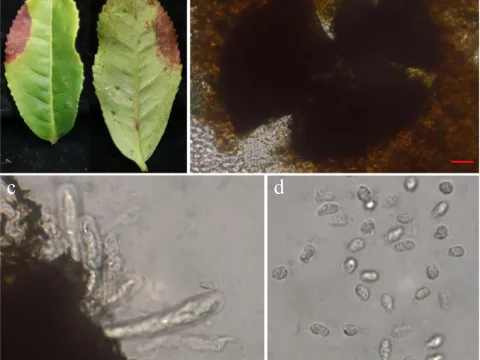
The primary symptom of Muyocopronaceae infection is the appearance of distinct, dark, and often raised fruiting bodies on the surface of plant parts.
What the section contains
Muyocopronaceae
These fruiting bodies, known as ascomata, typically manifest as small clusters of dark spots that breach the plant cuticle during maturation.
Infected areas often exhibit localized discoloration, ranging from yellowing to necrosis, as the fungus derives nutrients from the host tissues.
In advanced stages of the disease, leaves or stems may show a speckled appearance due to the extensive development of these fungal structures.
Microscopic inspection is often necessary to differentiate these structures from other leaf spot pathogens that may appear similar to the naked eye.
The disease is caused by fungi within the Muyocopronaceae family, which belong to the order Microthyriales and the class Dothideomycetes.
These fungi are characterized by superficial or semi-superficial mycelium that colonizes the outer layers of the host plant epidermis.
They act primarily as necrotrophs or weak parasites, often exploiting pre-existing vulnerabilities in the plant's structural integrity or immune system.
The life cycle involves both sexual reproduction through the production of ascospores and potential asexual dispersal mechanisms to ensure spread.
The fungus is highly adapted to surviving on dead plant tissue, allowing it to persist in the field between growing seasons as a saprotrophic survivor.
High relative humidity and the presence of liquid water on plant surfaces are the primary drivers for the development of Muyocopronaceae infections.
Outbreaks are most frequently associated with prolonged rainfall, foggy conditions, or environments with inadequate airflow in greenhouses.
Temperate climate conditions provide the ideal range for the germination of spores and the subsequent colonization of susceptible host tissues.
High plant density and restricted air circulation create a microclimate that prevents foliage from drying out, facilitating the infection process.
Plants under physiological stress, due to nutrient imbalances or mechanical injuries, are significantly more susceptible to successful fungal colonization.
The damage caused by Muyocopronaceae includes reduced photosynthetic efficiency resulting from the destruction of leaf tissue by the fungus.
Premature leaf drop often occurs in heavily infected crops, which severely stunts the overall growth and yield potential of the plant.
The presence of fungal spots on fruits and decorative leaves causes significant aesthetic damage, leading to heavy losses in market value.
Systemic colonization, although localized on the surface, drains energy resources that the plant would otherwise invest in development and fruit production.
Secondary infections often take advantage of the weakened plant state, leading to a synergistic decline in crop health and increased mortality rates.
Effective management starts with rigorous sanitation practices, such as the removal and destruction of infected plant debris to reduce inoculum.
Improving field architecture and spacing is essential to ensure adequate airflow and prevent the accumulation of moisture on leaf surfaces.
Application of broad-spectrum fungicides should be timed with environmental conditions that favor pathogen development to maximize protection efficacy.
- Pruning and removing heavily infected branches.
- Implementing crop rotation to break the pathogen life cycle.
- Optimizing irrigation to avoid foliage wetting.
Continuous monitoring of the crop allows for early detection of symptomatic tissue, enabling localized interventions before a wider outbreak occurs.