
Mycena
Mycena
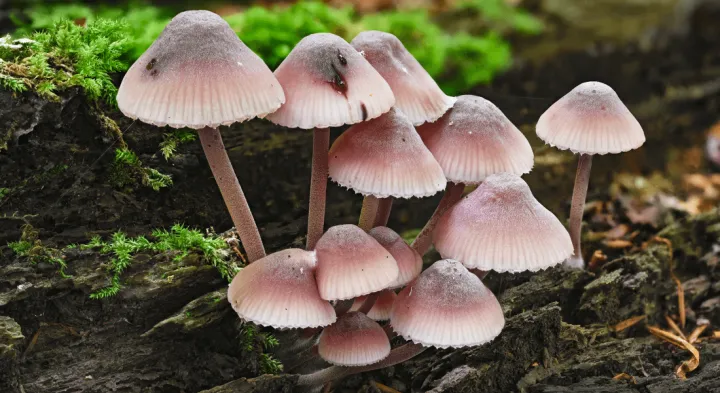
Description
Symptoms
The most visible sign of Mycena is the development of clusters of small, delicate fruit bodies on rotting wood or forest floor litter.
Affected wood often shows signs of white rot or discoloration as the fungal hyphae penetrate the cellulose and lignin fibers.
The wood texture tends to become brittle and spongy as the mycelium progresses through the internal structure.
In some cases, small clusters of mushrooms may emerge from cracks in the bark of weakened trees or tree bases.
Excessive moisture around the root zone may encourage the appearance of these fungi on the lower trunk and nearby surface roots.
Pathogen
The genus Mycena belongs to the Mycenaceae family and encompasses a vast array of small, fragile gilled mushrooms.
While most species are saprotrophs living on decaying organic matter, their biology involves efficient enzyme production for lignin breakdown.
These fungi play a vital role in forest ecosystems by facilitating the recycling of carbon and minerals from dead woody debris.
They are generally not primary pathogens, but can colonize living plants that are already stressed or suffering from environmental damage.
The mycelium network spreads through the substrate, often forming intricate rhizomorphs that allow the fungus to colonize new areas.
Conditions for development
Mycena species thrive in high-humidity environments where the substrate remains damp for extended periods.
They prefer temperatures ranging from 15 to 22 degrees Celsius, often appearing in force after seasonal rains.
Abundant organic debris, such as fallen branches, leaf litter, and wood chips, provides the necessary substrate for colonisation.
Poor ventilation in shaded garden areas or dense forest stands creates stable conditions for the persistence of fungal colonies.
Injuries to tree bark or root systems provide entry points for spores to infect the tree's internal structures.
Why it matters
The primary concern is the accelerated degradation of timber, which reduces its commercial and structural value over time.
In forest nurseries, certain species can cause root rot or seedling blight, particularly when environmental conditions are unfavorable for the plant.
The presence of dense mycelial mats can compete with tree roots for water and nutrients, causing general decline.
Weakened trees are significantly more susceptible to secondary infestations by bark beetles and other wood-boring insects.
The aesthetics of landscape planting may be degraded by the mass appearance of fungal fruit bodies on ornamental trees.
Protection
Effective management requires the removal of deadwood and decaying debris to eliminate the primary food source for the fungi.
Improving soil drainage and air circulation reduces the humidity levels that the fungi depend upon for reproduction.
In commercial nurseries, applying systemic fungicides can help protect seedlings from infection when symptoms first appear.
Proactive tree care, including pruning and protection from physical wounds, prevents the opportunistic colonization of bark.
- Regular site cleanup of forest debris.
- Optimizing irrigation to avoid waterlogged soil.
- Maintaining tree vigor through proper fertilization.
Discussion
No discussions yet — be the first.