
Myceliophthora
Myceliophthora
Description
Symptoms
The primary symptom is the appearance of a white, fluffy, and sometimes yellowish fungal mat on the surface of the growing substrate. Unlike healthy mushroom mycelium, this mat has a looser, more chaotic structure.
In mushroom beds, a severe infestation causes the complete failure of fruiting. Any mushrooms that do develop are often distorted, stunted, or exhibit brown lesions on their stems.
As the colony matures, it produces mass amounts of conidia, giving the affected area a powdery appearance. This powdery layer can easily puff into the air when disturbed, spreading the infection.
The affected substrate becomes physically altered, often appearing excessively wet and sticky. A distinct, unpleasant odor, often described as musty or chemical, develops as the fungus degrades the compost.
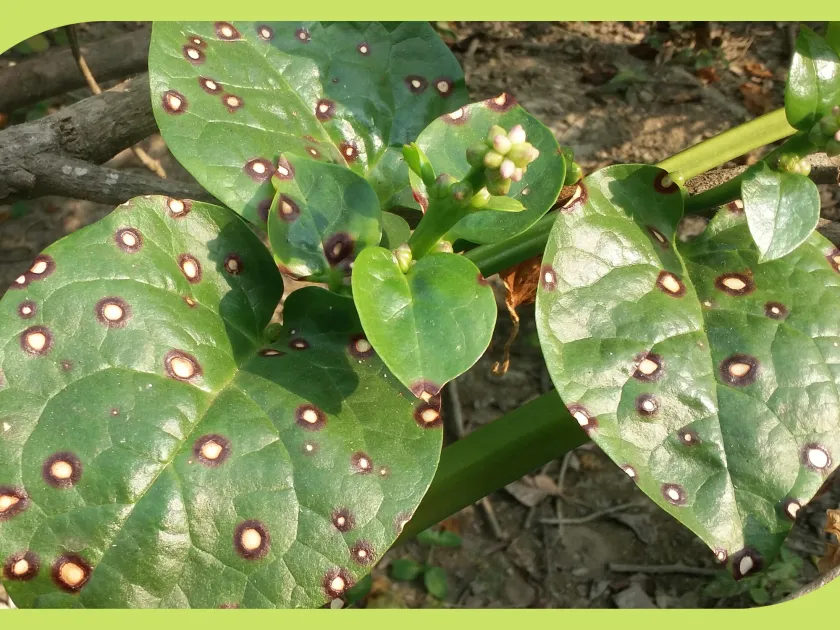
On horticultural plants, signs include rapid wilting, brown discolorations at the base of the stem, and the softening of tissues, eventually resulting in the collapse of the plant.
Pathogen
The disease is caused by fungi of the genus Myceliophthora, particularly the species Myceliophthora lutea (formerly Chrysosporium luteum). These are soil-borne microfungi belonging to the Ascomycota phylum, known for their aggressive saprotrophic and pathogenic growth patterns.
The fungus is characterized by the production of a dense, white-to-yellowish mycelium that grows rapidly across substrates. Its high competitive ability allows it to quickly colonize environments where cultural fungi are grown.
Myceliophthora is widely recognized in professional mushroom cultivation (Agaricus bisporus). It competes with the mushroom mycelium for resources, effectively displacing the culture and preventing the formation of fruit bodies.
The pathogen reproduces via conidia, which are easily dispersed by air currents, workers' clothing, or tools. This efficient dispersal mechanism allows it to spread throughout entire production facilities in a very short time.
Beyond mushroom production, these fungi can act as opportunistic pathogens on stressed plants in greenhouse environments, causing root rot and stem necrosis, leading to plant decline.
Conditions for development
High temperatures are the most critical factor favoring Myceliophthora development. Temperatures exceeding 22-25°C are ideal for the rapid colonization and sporulation of the fungus.
Excessive moisture levels in both the air and the substrate provide a perfect breeding ground. Poor ventilation, which leads to stagnant air pockets, significantly accelerates the spread of the pathogen.
Inadequate pasteurization of the growing medium is the most common cause of primary outbreaks. If the pasteurization process fails to eliminate the fungal spores, the pathogen gains a significant head start.
Hygiene breaches, such as the use of unsterilized tools or lack of air filtration systems in mushroom houses, allow for constant re-infection from the surrounding environment.
The use of contaminated peat or soil as a casing material is a major risk factor, as it introduces the pathogen directly into the substrate blocks.
Why it matters
The main danger of Myceliophthora is its potential to destroy an entire crop cycle. Due to its rapid growth, an outbreak can lead to total harvest failure within a few weeks.
The fungus severely depletes the nutrient content of the substrate, starving the intended crop. This resource competition makes it impossible to achieve high yields or high-quality produce.
Economic losses are compounded by the costs of remediation, which often require full decontamination of the facility, disposal of all infected substrate, and loss of production time during cleaning.
In greenhouse settings, systemic plant infections lead to high plant mortality, forcing growers to discard entire batches, which impacts overall farm profitability and productivity.
Because the spores are highly persistent, surviving on equipment and surfaces, the presence of this fungus can lead to long-term issues if strict sanitation is not maintained.
Protection
Effective control relies heavily on strict sanitation protocols. Regular disinfection of all surfaces, tools, and equipment using specific broad-spectrum fungicides and disinfectants is essential.
Maintaining optimal environmental conditions is paramount. Growers must strictly control temperature to prevent overheating and ensure robust ventilation systems are in place to reduce humidity.
- Thorough pasteurization of all compost and casing materials.
- Installation of HEPA air filtration to block spores from entering the production zone.
- Immediate isolation and removal of any infested blocks from the facility.
- Using only certified, high-quality spawn and verified peat supplies.
While chemical treatments exist, their efficacy can be limited by the fungus's resistance. Therefore, proactive measures—such as strict hygiene and environmental control—are far more reliable.
Personnel training is critical. Employees should strictly adhere to foot-bath protocols, change into dedicated work clothing, and sanitize their hands to avoid transferring spores between rooms.
Discussion
No discussions yet — be the first.