
Myceliophthora mushroom disease
Myceliophthora lutea
Description
Symptoms
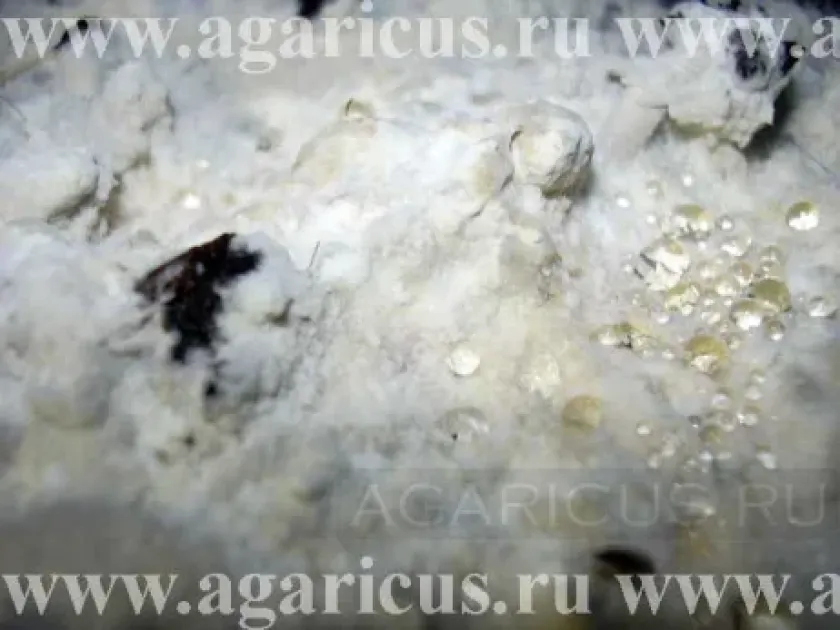
The first signs of infection include the appearance of light-colored spots on the surface of the casing soil or the compost itself. As the fungus matures, these patches often turn a distinctive yellow or golden color.
Infected areas show a noticeable decline in the health of the mushroom mycelium. The white, healthy threads of the commercial mushroom are replaced by the faster-growing, yellowish fungal growth of the pathogen.
A musty, unpleasant odor is commonly associated with Myceliophthora lutea outbreaks. This smell is distinctly different from the earthy scent of a healthy, productive mushroom bed.
Mushroom fruit bodies growing near an infection site are often stunted, deformed, or brittle. In severe cases, the mushroom crop fails to develop altogether, leaving the substrate barren.
At later stages, the surface of the compost may be covered with a dense mat of mycelium that blocks air exchange. This prevents the mushroom from breathing and absorbing moisture, leading to the collapse of the entire mushroom block.
Pathogen
The causative agent of the disease is a microscopic fungus known as Myceliophthora lutea. It is a persistent mold that poses a significant threat to mushroom farms, particularly those cultivating Agaricus bisporus.
This pathogen reproduces through spores, which are highly resistant to environmental stress. These spores are easily spread via air currents, farm equipment, or even by workers moving between growing rooms.
The biological nature of this fungus allows it to grow aggressively in compost. It consumes the nutrients intended for the mushroom mycelium, essentially starving the commercial crop while spreading its own toxic metabolites into the substrate.
Myceliophthora lutea is known for its high competitive capacity. Once it colonizes the substrate, it becomes extremely difficult to eradicate without removing the affected blocks entirely from the production cycle.
The presence of this fungus is often linked to failures in the composting or pasteurization process. It is considered an opportunistic pathogen that thrives when the biological balance of the substrate is disturbed.
Conditions for development
Myceliophthora lutea thrives in environments with high humidity and warm temperatures, typically between 20°C and 25°C. These conditions are ideal for the rapid colonization of the substrate by the fungus.
The primary factor facilitating its development is insufficient pasteurization of the compost. If the core temperature of the compost does not reach the required thresholds for a sufficient duration, the spores survive the process.
Poor ventilation and air stagnation within the growing rooms create hot spots of humidity where the fungus can easily take hold. Proper air distribution is essential to prevent these localized outbreaks.
Hygiene practices on the farm are critical. Spores can be transported through contaminated tools, clothing, or even insects. Strict entry and cleaning protocols are necessary to stop the spread of the disease.
Organic residue left over from previous crop cycles provides a ready-made source of food for the pathogen. Failure to thoroughly clean and disinfect the facility between harvests allows the fungus to persist in the building structure.
Why it matters
The economic impact of this disease is significant, as it leads to substantial crop losses. In severe cases, growers may be forced to discard entire rooms of production to prevent further contamination.
The pathogen makes the substrate toxic and unproductive, resulting in wasted raw materials and labor costs. Once a block is infected, the potential for high-quality yields is permanently lost.
The disease can easily spread throughout a farm, turning a small localized issue into a widespread epidemic. This necessitates long periods of downtime for cleanup and decontamination.
The overall quality of the harvested mushrooms can be compromised if the infection is near the fruiting bodies, as they may absorb secondary metabolites produced by the mold, reducing their shelf life and safety.
Repeated outbreaks force farmers to rely on heavier chemical treatments, which increases operational costs and raises concerns regarding the safety and residues on the final food product.
Protection
Strict sanitation protocols are the most effective defense. Regular disinfection of all surfaces, tools, and equipment is essential to destroy any residual fungal spores before they reach the compost.
Rigorous adherence to the pasteurization schedule is mandatory. Using thermal sensors ensures that all parts of the substrate undergo consistent heat treatment to eliminate the spores of Myceliophthora lutea.
Maintaining an optimal microclimate, particularly managing humidity levels and air circulation, prevents the formation of conditions favorable for fungal growth. Monitoring these parameters daily is vital.
Early detection allows for immediate action. Removing the contaminated substrate as soon as a spot is identified can help contain the spread to a single area rather than letting it affect the whole farm.
Staff training on the pathways of pathogen transmission—such as clothes changing, tool disinfection, and handling procedures—greatly reduces the human-driven spread of the disease.
Discussion
No discussions yet — be the first.