
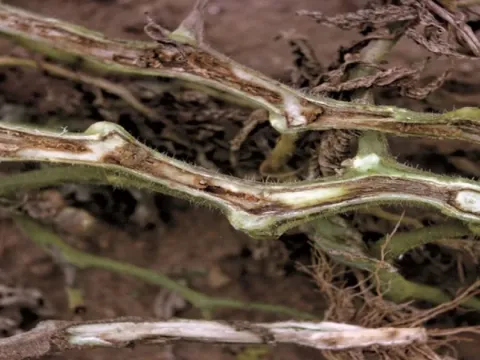
Verticillium wilt
Musicillium
Verticillium wilt is a serious vascular disease caused by soil-borne fungi of the genus Verticillium, most notably Verticillium dahliae and Verticillium albo-atrum.
What the section contains
Verticillium wilt
These pathogens are highly resilient and capable of surviving in the soil for many years by forming microscopic dormant structures known as microsclerotia.
The infection begins when the fungus enters the plant through the root system, often via microscopic wounds caused by environmental stressors or nematode feeding.
Once inside, the fungus colonizes the xylem vessels, producing mycelium and spores that spread systemically throughout the plant's vascular network.
The blockage of these vessels, combined with the secretion of toxins and enzymes, disrupts water uptake, leading to the characteristic wilting symptoms observed in infected plants.
The primary symptom of Verticillium wilt is the yellowing of lower leaves, which gradually advances upwards, often starting on one side of the leaf or plant.
A diagnostic characteristic is the development of V-shaped necrotic lesions between leaf veins, which eventually turn brown and become dry and brittle.
When the main stem or root is sliced crosswise, one can observe a distinct dark brown or black discoloration of the vascular tissue, indicating internal fungal colonization.
As the disease progresses, the plant loses its turgor, causing the entire plant or specific branches to wilt, particularly during the hottest parts of the day.
In advanced stages, the entire plant may collapse and die, especially when the environmental conditions favor the rapid proliferation of the pathogen.
The development of Verticillium wilt is favored by moderate soil temperatures, typically ranging from 20°C to 25°C, making it a common issue in many temperate regions.
Plants under environmental stress, such as drought, nutrient deficiency, or root damage, are significantly more susceptible to successful fungal infection.
The pathogen is easily disseminated through infested soil, contaminated equipment, irrigation water, and the movement of infected plant debris across agricultural fields.
High moisture in the soil can stimulate the germination of microsclerotia, while dry weather increases the stress on the plant, exacerbating the visible symptoms of wilt.
A wide range of hosts, including vegetables (tomatoes, potatoes), fruit trees, and ornamental plants, makes it difficult to manage the disease if the fungus is present in the soil.
The economic impact of Verticillium wilt is substantial, often leading to reduced yields, lower fruit quality, and the loss of entire plantings in severe cases.
Infected crops show stunted growth and poor development, as the vascular blockage prevents essential water and nutrients from reaching the upper plant parts.
Chronic infections significantly weaken the host, making it more vulnerable to secondary diseases and environmental damage, further reducing the overall harvest.
Because the pathogen persists in the soil for years, the land may become unsuitable for cultivating highly susceptible crops for extended periods without intensive intervention.
The systemic nature of the infection makes it extremely difficult to cure an established plant, as the fungus is protected within the plant's xylem vessels.
Crop rotation remains the most fundamental control strategy, requiring the avoidance of susceptible hosts for a period of 4–6 years to allow the soil inoculum levels to drop.
The use of resistant or tolerant cultivars is the most effective approach for managing Verticillium wilt, especially in areas with a known history of the disease.
Sanitation practices, such as removing and burning infected plant debris and sanitizing farm tools, are critical to preventing the spread of the pathogen to clean fields.
Maintaining optimal plant health through proper fertilization and irrigation helps the plant withstand the infection better, though it does not provide full immunity.
- Utilizing disease-free planting material
- Managing soil-borne pests like nematodes
- Applying biological fungicides such as Trichoderma species
- Improving soil structure and drainage