
Mixia
Mixia
The causative agent of this disease is the microscopic fungus Mixia osmundae, which belongs to the class of Basidiomycota. It is a highly specialized parasite that primarily targets ferns, particularly species of the genus Osmunda.
What the section contains
Mixia
The fungus is an endophyte, meaning it grows within the host plant's tissues. Unlike many rust fungi, it does not produce complex, multi-stage spore structures, which makes its lifecycle somewhat unique and specialized.
Reproduction occurs through the formation of numerous sporogenous cells directly on the surface of the infected fern fronds. These cells release masses of spores that are easily disseminated by wind or splashing water.
The pathogen persists in the tissues of perennial plants or on infected plant debris throughout the dormant season. This survival strategy ensures a recurrent cycle of infection each spring.
Biological research indicates that Mixia osmundae relies heavily on the metabolic activity of the host, meaning that its growth is perfectly synchronized with the active vegetation of the fern.
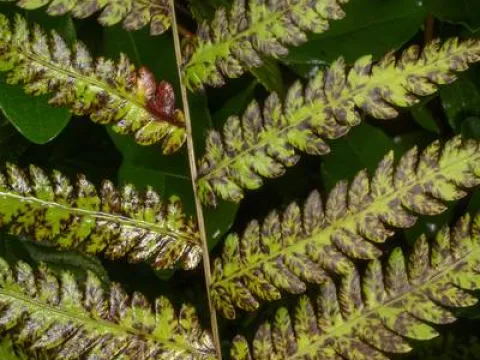
The primary symptom of Mixia is the development of discolored spots on the fronds, which often start as yellow or pale patches. Over time, these spots may spread across the entire leaf surface.
A distinctive feature is the presence of a thin, dusty fungal growth on the underside of the infected fronds. This is a visible manifestation of the spore-producing structures.
As the infection advances, the tissues of the fronds become distorted and necrotic. The leaves may curl or shrivel, and in severe cases, premature senescence and leaf drop occur.
Visual identification can be challenging as symptoms might resemble general chlorosis or nutrient deficiencies. However, the presence of the sporulating fungal layer remains the definitive diagnostic indicator.
Early intervention is crucial because initial infection is often localized to a few leaves but can quickly spread to the entire crown of the plant if left unchecked.
High humidity and moderate temperatures are the most critical environmental factors that promote the development of Mixia. Moist conditions are essential for spore germination and infection.
Poor ventilation and overcrowding in greenhouses or gardens create microclimates where moisture persists on leaves. This environment significantly increases the risk of an outbreak.
The disease typically flares up during the spring growth phase when new, tender fronds are most susceptible to fungal entry. Rapidly expanding leaves offer the perfect substrate for the fungus.
Overhead irrigation, especially during late afternoon or evening, is a common driver of infection. Persistent water droplets on the foliage provide the necessary medium for spores to colonize.
Environmental management, including maintaining adequate spacing between plants and ensuring good air circulation, is vital to inhibit the spread of the pathogen.
Mixia significantly impacts the aesthetic value of ferns, making them unsuitable for commercial sale or ornamental garden displays. The loss of foliage health diminishes the overall appeal of the plant.
The infection interferes with the photosynthetic ability of the host, leading to reduced vigor and stunted growth. Severely affected plants may struggle to store enough energy for the next growing season.
By weakening the plant's structural integrity, the disease makes it more susceptible to secondary environmental stresses, including winter injury or infestation by insect pests.
In nursery settings, Mixia can cause widespread losses, leading to significant economic impacts due to the need to discard infected inventory and implement intensive treatment programs.
Chronic infestation drains the plant's resources, which can eventually lead to death if the plant's defense mechanisms are overwhelmed by the relentless fungal growth.
The most effective management strategy is to maintain a dry foliage environment. Avoid overhead watering and ensure that the growing area has sufficient airflow to prevent stagnant humidity.
Sanitation is paramount. Immediately remove and destroy any infected fronds to eliminate the source of inoculum. Do not compost infected plant material on site.
Chemical control involving copper-based fungicides can be used to protect healthy plants and prevent the spread of the disease during periods of high risk.
Always sterilize gardening tools with appropriate disinfectants after working on infected specimens to avoid cross-contamination within your plant collection.
- Monitor plants closely during the spring flush for early signs of spots.
- Ensure proper spacing to allow leaves to dry quickly after rain.
- Avoid using moisture-retaining mulches directly around the crown if humidity is a recurring issue.