
Mixia osmundae
Mixia osmundae
Description
Symptoms
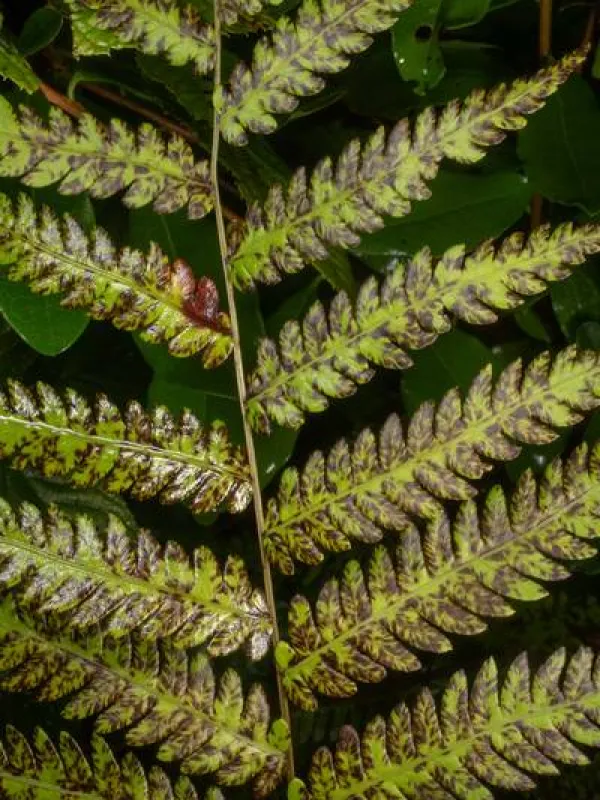
The primary symptom of infection is the development of a pale yellow or greenish powdery-like layer on the underside of the fern fronds.
As the disease progresses, the infected leaf tissue may become thickened, distorted, or exhibit signs of chlorosis, which hinders the plant's ability to photosynthesize.
Affected fronds often show premature senescence and may curl or wither in specific spots where the fungal colony is most densely established.
In severe cases, the entire frond structure can lose its natural luster and aesthetic appeal, often leading to necrosis of the affected areas.
Microscopic examination of the tissue surface is usually required to definitively identify the presence of Mixia osmundae spores and confirm the diagnosis.
Pathogen
Mixia osmundae is a specialized species of fungus belonging to the Basidiomycota division, known primarily as a pathogen that exclusively infects certain types of ferns.
Unlike many other fungi, this pathogen does not produce macroscopic fruiting bodies; instead, it develops its spores directly on the surface of the host's foliage.
The fungus is an obligate parasite, meaning it requires the living tissue of its host plant to complete its lifecycle and survive throughout the year.
It colonizes the intercellular spaces of the fern's epidermis, deriving nutrients from the plant while progressively disrupting its normal physiological functions.
Dispersal is primarily achieved through wind and water splashes, which carry the fungal spores to neighboring healthy plants during favorable conditions.
Conditions for development
High relative humidity is the most significant environmental factor that promotes the germination and successful colonization of the fungus on host plants.
Damp conditions, where moisture remains on the leaf surface for prolonged periods, facilitate the rapid spread of spores throughout a fern population.
Optimal development for the pathogen typically occurs within a moderate temperature range, often favored by the cool and humid environments of temperate greenhouses.
Poor ventilation and overcrowding of plants are conducive to the spread of the disease, as stagnant air allows spores to settle easily on neighboring fronds.
Variations in humidity levels during the growing season directly influence the severity of the outbreak and the rate of new infection cycles.
Why it matters
The main impact of Mixia osmundae is the severe degradation of the ornamental quality of ferns, which is critical for their commercial value.
Long-term infestation weakens the fern, potentially leading to stunted growth, reduced vigor, and increased susceptibility to secondary pathogenic attacks.
The metabolic cost of dealing with the infection reduces the plant's resources for new frond production, leading to a decline in plant health over successive seasons.
In professional nurseries, this pathogen can lead to significant economic losses, as contaminated batches must be discarded to prevent wide-scale outbreaks.
If left unmanaged, the pathogen can spread through a collection, compromising the integrity of entire greenhouse bays or landscape plantings.
Protection
Integrated management is essential, focusing primarily on improving airflow and maintaining appropriate humidity levels to inhibit fungal development.
Regular sanitation, which includes the immediate removal and destruction of infected fronds, is critical to reduce the inoculum load in the growing environment.
Targeted fungicide applications, particularly those known to be effective against basidiomycete-like pathogens, can help suppress the spread of the disease.
Quarantine procedures for new acquisitions and monitoring of existing plants are standard practices to ensure long-term collection health.
- Enhancing ventilation to reduce leaf moisture.
- Strict hygiene protocols for pruning tools.
- Avoiding overhead irrigation to keep frond surfaces dry.
- Proactive monitoring for early signs of yellowing or lesions.
Discussion
No discussions yet — be the first.