
Moesziomyces
Moesziomyces
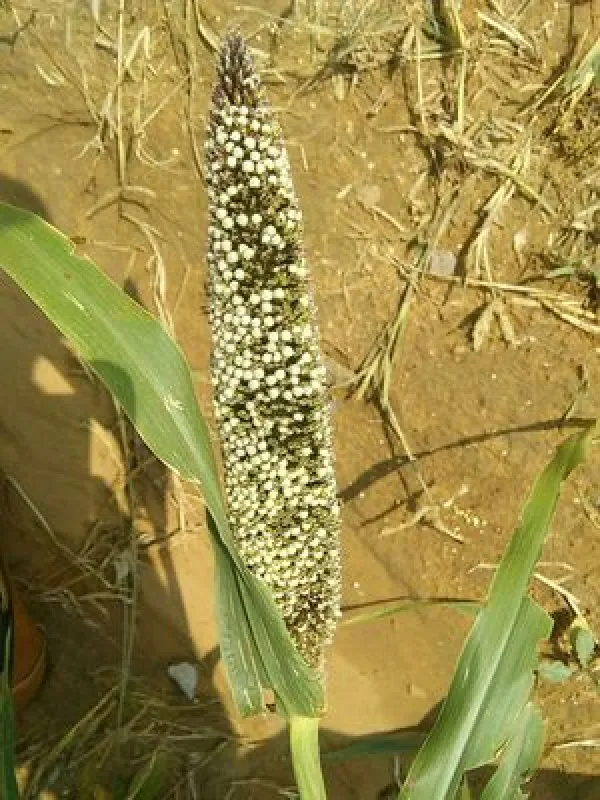
Description
Symptoms
The most evident symptom is the development of swollen, often darkened galls that replace the normal grains or flower structures of the host.
These galls eventually rupture, releasing a cloud of powdery, black or brown spores that signify the mature stage of the fungal infection.
Plants affected by this pathogen may show stunted development or altered inflorescence structures compared to healthy specimens.
Early symptoms might be subtle, making it difficult to distinguish infected plants from healthy ones until the reproductive phase is reached.
The visual presence of spores on leaves or stems near the infected panicles is a hallmark of an advanced stage of the disease.
Pathogen
The genus Moesziomyces consists of smut fungi known to parasitize various agricultural and wild grass species.
These pathogens function by replacing the host plant's reproductive tissues with their own spore masses, often referred to as sori.
The life cycle involves the production of teliospores, which remain dormant in the soil or adhere to the surface of seeds until favorable conditions arise.
Infection occurs primarily through the systemic invasion of plant tissues, which eventually manifests as characteristic gall formations.
Modern taxonomic research often reclassifies species within this genus based on their genetic markers and host specificity.
Conditions for development
Moesziomyces development is highly dependent on humidity levels, particularly during the flowering or grain-filling stages of the host plant.
Moderate temperatures combined with high moisture promote the germination of teliospores and facilitate rapid infection.
Soils that are poorly drained or have a high accumulation of crop residues can serve as long-term reservoirs for the pathogen.
Wind and rainfall are the primary drivers for the dispersal of spores from one plant to another within a field.
Poor agricultural practices, such as lack of rotation or failure to treat seeds, significantly amplify the probability of widespread outbreaks.
Why it matters
The primary harm caused by Moesziomyces is the total loss of the infected reproductive parts of the crop, directly reducing yield.
Contaminated grain stocks may be rejected by processors due to the presence of spores, leading to significant economic losses for producers.
The presence of the pathogen in a field necessitates a longer period of avoiding susceptible crops, complicating farm management plans.
Infected crops often exhibit reduced nutritional value, which is detrimental if the harvest is intended for livestock feed or human consumption.
Overall farm productivity suffers not only from immediate losses but also from the increased costs associated with disease management programs.
Protection
Preventive strategies focus on the use of clean, certified seeds that have been treated with appropriate systemic fungicides.
Crop rotation remains a fundamental practice to ensure the fungal population in the soil naturally declines over time.
Deep plowing can help bury spores, reducing the contact between the pathogen and the emerging crop seedlings in the next season.
Removing and destroying infected plant debris after harvest limits the amount of inoculum available for future infection cycles.
- Seed dressing with chemical fungicides
- Selection of disease-resistant cultivars
- Implementation of strict phytosanitary measures
- Proper weed management to eliminate alternative hosts
Discussion
No discussions yet — be the first.