
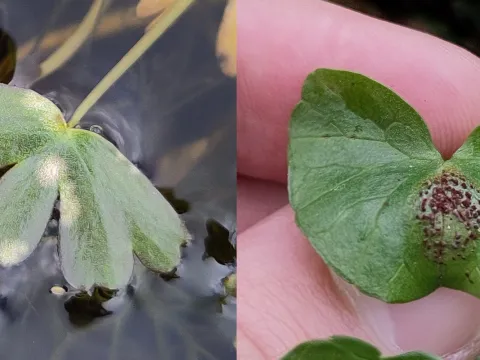
Micromphale
Micromphale
The disease is caused by fungi of the genus Micromphale, which are basidiomycetes known for their role in the decomposition of organic matter. Under specific environmental conditions, these organisms transition from saprotrophic behavior to acting as pathogens for various crop plants.
What the section contains
Micromphale
These fungi are characterized by the production of rhizomorphs—specialized fungal strands that facilitate rapid colonization of soil and root systems. This allows the pathogen to spread efficiently through the root zone of a host plant.
Biochemically, Micromphale species secrete enzymes that break down plant structural components like lignin and cellulose. This enzymatic activity is what leads to the severe destruction of plant tissues and roots.
The pathogen's life cycle is closely linked to the availability of organic debris in the soil, which serves as a reservoir for maintaining the infection before it attacks healthy living host plants.
In addition to root colonization, the fungus can produce small, short-lived fruiting bodies under favorable conditions, which release spores that contribute to further environmental spread and infection.
The primary symptom of a Micromphale infection is the gradual wilting of the plant, starting with the outer leaves turning yellow. This deterioration typically advances from the lower parts of the plant upwards.
Upon examination of the root system, one will notice the roots turning dark brown or black. The tissues become brittle, fragile, and often emit a distinct odor of decay due to the action of the fungal enzymes.
In the case of bulbous plants, white to cream-colored mycelial growth can be observed on the surface of the bulbs. The tissue underneath this growth often becomes soft, water-soaked, and necrotic.
In conditions of high humidity, tiny, mushroom-like fruiting bodies may appear near the base of the plant. This is a definitive sign of severe infestation and indicates that the fungal colony is well-established.
Plants affected by the disease are often easily pulled from the ground because their root systems have been completely compromised, which inhibits their ability to anchor and absorb necessary water and minerals.
The development of Micromphale is heavily dependent on moisture. Waterlogged soil conditions are the most significant factor, as they provide the required environment for fungal growth and spread.
Moderate temperatures ranging from 15°C to 22°C are ideal for the rapid proliferation of the mycelium. In this range, the pathogen exhibits its highest rate of colonization and metabolic activity.
Soil acidity plays a vital role in disease progression. Soils with a lower pH value make plants more susceptible to infection and enhance the aggressive enzyme production of the fungus.
The presence of un-decomposed organic matter, such as woody debris or heavy mulch, provides a perfect substrate for the fungus to multiply, leading to higher infection pressure in the subsequent growing season.
Poor soil aeration and dense planting patterns prevent the roots from drying, creating stagnant micro-climates that support the long-term survival of the pathogen in the soil layer.
The main impact of this disease is the destruction of the root system, which leads to total plant death. This results in significant yield loss and irregular, sparse crop distribution across the field.
Micromphale can rapidly spread to adjacent plants through infected soil, rainfall, or agricultural equipment. This makes containing the infection within a localized area a significant challenge for farmers.
Bulbs and roots infected with the fungus cannot be stored successfully. The disease often continues to develop in storage, potentially ruining an entire harvest stored in the same facility.
The economic damage extends beyond direct crop loss; it includes the cost of fungicides, the necessity for soil disinfection, and the disruption of carefully planned crop rotation schedules.
Early-season infections are particularly devastating as they can destroy young seedlings, forcing growers to restart planting efforts and incurring additional expenses for seeds and labor.
Implementing a strict crop rotation program is the most effective way to manage the disease. Avoid planting susceptible crops in infected soil for at least 4–5 years to starve the pathogen.
Maintaining an appropriate soil pH level through regular liming is essential. A neutral to slightly alkaline soil environment is less conducive to the growth of Micromphale and aids plant immunity.
Proper sanitation is critical. All infected plant remains should be removed and destroyed (not composted improperly) to reduce the fungal inoculum present in the field after harvest.
Incorporate the use of biocontrol agents such as Trichoderma species. These beneficial fungi are effective at outcompeting Micromphale in the soil and protecting the root systems of crops.
Use certified, disease-free planting material and consider pre-planting fungicide treatments for bulbs or roots to ensure a clean start, significantly reducing the risk of initial field contamination.