
Micropeltis
Micropeltis
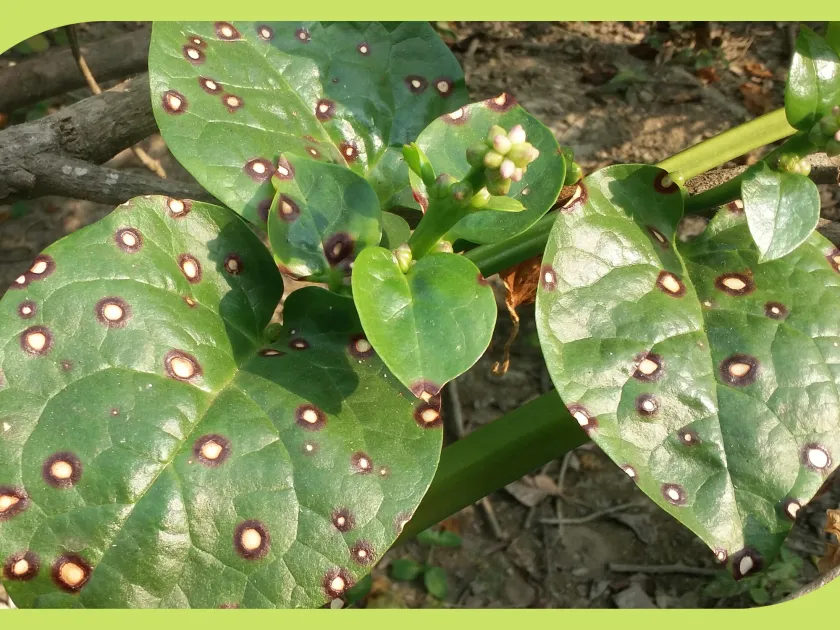
Description
Symptoms
The primary symptom of Micropeltis infection is the appearance of small, dark, circular or irregular spots on the leaf surface, often resembling tiny black scabs or crusts.
These spots are typically found on the upper or lower leaf surfaces and consist of the fungal fruiting structures that are firmly attached to the plant epidermis.
As the infection progresses, chlorotic halos may develop around the dark spots, indicating localized stress and the disruption of normal plant physiological processes.
In cases of heavy infestation, the leaves may lose their vibrant color, turn yellow, and eventually drop prematurely, leading to significant defoliation of the host plant.
Under magnification, the characteristic shield-like appearance of the fungal colonies becomes distinct, confirming the presence of the pathogen on the leaf tissue.
Pathogen
Micropeltis is a fungal disease caused by microscopic fungi belonging to the genus Micropeltis, which are typically found growing on the surface of plant leaves.
These fungi are generally classified as epiphytes or weak parasites that develop specialized dark fruiting bodies, known as thyriothecia, directly on the leaf cuticle.
The life cycle of the pathogen depends heavily on surface moisture, which is essential for spore germination and the establishment of new colonies during the growing season.
Dissemination occurs primarily through ascospores and conidia, which are spread by wind currents and water splashes, allowing the fungus to rapidly colonize neighboring tissues.
These fungi are particularly noted for their persistence, as their pigmented fruiting structures provide protection against environmental stress and UV radiation.
Conditions for development
High relative humidity and persistent wetness of foliage are the most critical factors favoring the development and rapid spread of Micropeltis infections.
The disease is most prevalent in environments with poor air circulation, such as dense canopy structures or poorly ventilated greenhouses where moisture remains trapped.
Optimal temperatures for the growth of Micropeltis generally align with moderate to warm conditions, which are common during the prime growing seasons of many host plants.
Injury to the leaf cuticle caused by herbivorous insects or mechanical damage provides an entry point or a site for the fungus to establish its nutrient uptake mechanisms.
Accumulation of leaf litter and stagnant air around the base of plants serve as primary reservoirs for the fungus, perpetuating the disease cycle from one season to the next.
Why it matters
The primary harm caused by Micropeltis is the reduction of the photosynthetic surface area, which leads to lower energy production and stunted overall growth of the plant.
Premature leaf drop causes systemic stress to the host, reducing its ability to store necessary carbohydrates for winter survival and subsequent spring development.
For ornamental crops, the presence of these dark spots significantly degrades the aesthetic value, making the plants unsalable in commercial nurseries and retail settings.
Chronic infestation weakens the plant's immune system, potentially making it more susceptible to opportunistic secondary pathogens that can lead to branch dieback.
In large-scale agricultural production, the disease can result in yield losses and significantly increased maintenance costs due to necessary chemical interventions.
Protection
The most effective management strategy involves cultural practices, such as proper pruning and spacing to improve air circulation and reduce micro-humidity around foliage.
Sanitation is critical; all fallen leaves and infected debris should be regularly removed and destroyed to minimize the primary inoculum load in the orchard or field.
Chemical control via the application of fungicides, particularly copper-based sprays or systemic fungicides, is effective if applied early in the infection cycle.
Monitoring for insect pests is also essential, as controlling them helps preserve the integrity of the leaf cuticle, thereby preventing fungal colonization.
- Maintain adequate plant spacing for airflow.
- Implement regular sanitary pruning programs.
- Ensure rapid drying of foliage after rain.
- Use preventative fungicide treatments in high-risk areas.
Discussion
No discussions yet — be the first.