
Microsphaeropsidosis
Microsphaeropsidaceae
Description
Symptoms
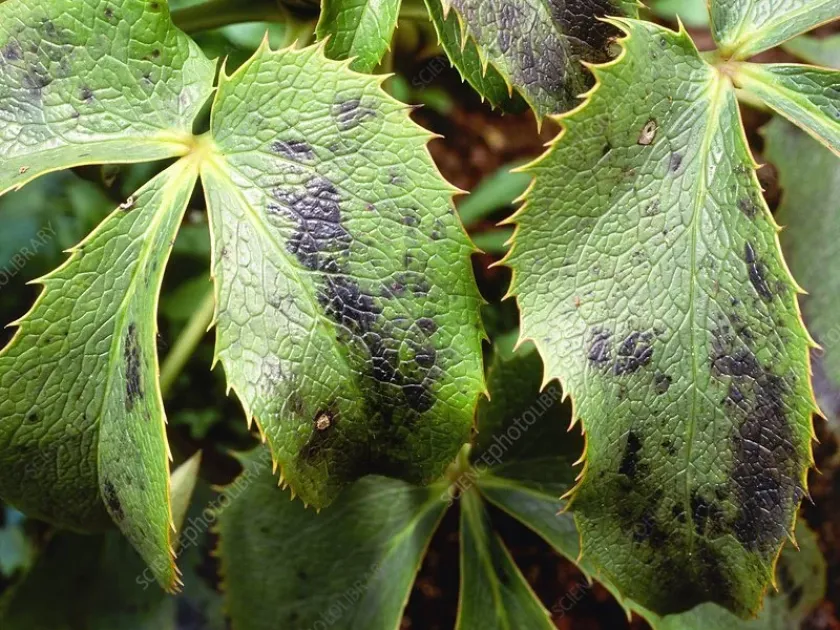
The most common symptoms include small, irregular necrotic spots on leaves and stems, often initially appearing as light brown or chlorotic lesions.
As the infection progresses, these spots expand, often developing a darker, reddish-brown or purple margin that serves as a diagnostic feature.
Tiny, black, pin-point structures—the pycnidia—become visible to the naked eye or under a magnifying lens within the center of the necrotic spots.
Under humid conditions, the pathogen may produce visible spore masses that appear as an olive-gray or dusty-like coating on the surface of the lesions.
Severe infestations lead to chlorosis, premature wilting, and leaf drop, which significantly impacts the photosynthetic capacity of the plant.
Pathogen
The disease is caused by fungi of the genus Microsphaeropsis, typically acting as opportunistic pathogens that target stressed or weakened plant tissues.
The fungus produces pycnidia—small, flask-shaped reproductive structures embedded within the plant's epidermis, which later erupt to release spores.
These spores (conidia) are dispersed by wind, rain, and irrigation, allowing the pathogen to spread rapidly throughout a crop field or greenhouse environment.
The pathogen can survive as a saprotroph on dead plant debris, making soil and crop residue primary reservoirs for reinfection in subsequent growing seasons.
The fungal mycelium colonizes intercellular spaces, eventually disrupting cellular membranes and causing necrotic degradation of the host plant tissue.
Conditions for development
Microsphaeropsidosis thrives in cool to moderate temperature ranges combined with high humidity or prolonged leaf wetness.
Dense crop canopies that limit air circulation are particularly prone to outbreaks, as they maintain the high-humidity microclimate favored by the fungus.
Frequent rainfall or heavy overhead irrigation creates ideal conditions for spore germination and the infection of vulnerable plant tissues.
Plants under nutrient stress or those recovering from mechanical injuries (hail, pest damage, pruning) are significantly more susceptible to infection.
Seasonal transitions with fluctuating temperatures often exacerbate the disease, as plants struggle to maintain their innate defense mechanisms.
Why it matters
The primary economic impact involves yield reduction due to impaired physiological function and the loss of healthy photosynthetic leaf area.
If the infection targets fruit, the disease can cause surface blemishes, skin necrosis, and secondary decay, rendering produce unmarketable.
Chronic infections weaken the plant over time, making it less resilient to environmental stressors like frost, drought, or secondary parasitic attacks.
Seed-borne transmission remains a concern, as the presence of the pathogen on seeds can affect germination rates and seedling viability.
High levels of disease pressure necessitate increased expenditure on chemical interventions, reducing overall profitability for the producer.
Protection
Sanitation is the most critical management practice; removing and destroying infected plant debris reduces the primary inoculum for the next year.
Implementing a rigorous crop rotation plan prevents the pathogen from establishing a persistent presence in the soil profile.
Proper canopy management, including pruning and correct spacing, improves airflow and reduces the duration of leaf surface wetness.
Fungicide applications, when timed correctly based on environmental monitoring, can provide excellent control during high-risk growth periods.
- Use of disease-free, certified planting material.
- Balanced fertilization to strengthen plant cell walls.
- Careful irrigation management to avoid prolonged moisture on foliage.
- Integrated pest management to prevent mechanical wounding of plants.
Discussion
No discussions yet — be the first.