
Micropeltidaceae
Micropeltidaceae
The family Micropeltidaceae belongs to the order Microthyriales. These are specialized fungi that typically colonize the surface of leaves in humid climates.
What the section contains
Micropeltidaceae
The pathogen is characterized by the formation of flattened, shield-like fruiting bodies known as thyriothecia, which grow directly on the plant cuticle.
This is classified as a leaf spot disease, where the fungus lives epiphytically or semi-parasitically on the host plant's surface tissues.
These fungi are frequently found in tropical and subtropical forest ecosystems, as well as on various ornamental crops in greenhouse conditions.
The biological success of these pathogens is largely dependent on the presence of organic secretions or honeydew on the leaf surface, which provides nutrients.
The most common symptom is the development of small, dark or black spots on the upper leaf surface, often arranged in a specific pattern.
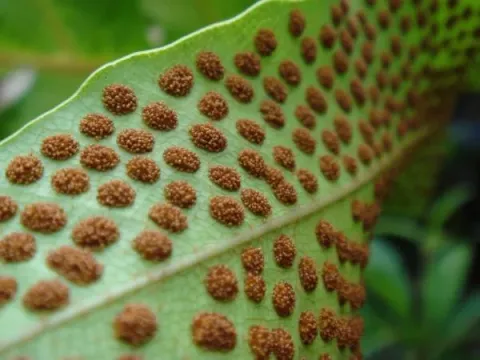
Small, shiny, disc-like structures (fruiting bodies) become visible to the naked eye as the fungal colony matures on the foliage.
As the infection progresses, affected leaves may display yellowing or chlorosis, indicating that the photosynthetic tissue is being compromised.
Severe infestations can lead to premature leaf drop, which significantly weakens the overall structure and vigor of the host plant.
The fungal patches are typically firm and do not easily wipe off, distinguishing them from common sooty mold growth on leaves.
High humidity (above 80-85%) and the presence of leaf surface moisture are the primary environmental drivers for the development of these fungi.
Optimum temperature ranges for growth and spore dispersal generally fall between +20°C and +28°C, favoring active periods during warm months.
Spores are dispersed by wind, splashing rain, and physical movement by insects or animals moving through the plant canopy.
Poor ventilation and overcrowded planting conditions create a favorable microclimate that allows the pathogen to establish quickly and spread.
Plants under physiological stress or those suffering from nutrient deficiencies are more susceptible to the colonization of Micropeltidaceae.
The primary harm is the reduction of photosynthetic efficiency, as the fungal growth shades the leaf surface and disrupts cellular processes.
Chronic infections lead to stunted growth, reduced leaf size, and a significant decline in the overall yield of horticultural or agricultural crops.
Ornamental value is severely diminished due to the unsightly dark spotting and damage caused to the foliage throughout the growing season.
Weakened plants are significantly more vulnerable to secondary opportunistic pathogens, which can exacerbate total tissue damage.
Long-term infestation without management results in the progressive decline of the host's health, potentially leading to the death of branches or entire plants.
Management focuses on improving air circulation and sunlight exposure through proper pruning and planting spacing techniques.
Sanitation is critical; removing and destroying infected leaf debris helps break the lifecycle of the pathogen and limits future spore sources.
Copper-based fungicides are effective at preventing the establishment of fungal shields if applied during the early onset of symptoms.
Systemic fungicides may be used in commercial settings to treat severe outbreaks and prevent the spread of the infection between greenhouse plants.
- Monitor foliage regularly for dark spots
- Ensure proper spacing and ventilation
- Remove fallen, infected leaves
- Apply protective fungicide treatments