
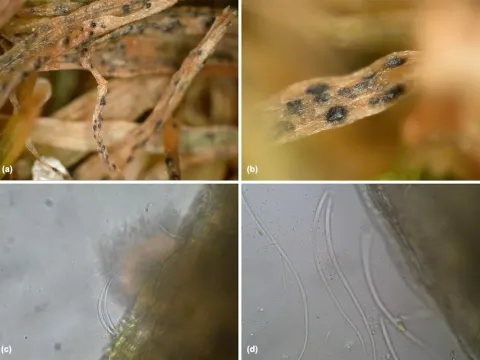
Microdochium leaf blight of sorghum
Microdochium sorghi
The causal agent of Microdochium leaf blight in sorghum is the fungus Microdochium sorghi. This pathogen is a recognized threat to sorghum production, capable of causing significant foliar damage under favorable conditions.
What the section contains
Microdochium leaf blight of sorghum
The fungus overwinters in crop debris left on the soil surface, remaining viable as mycelium or spores. This reservoir of inoculum is the primary source of infection for new crops in subsequent seasons.
Infection begins when conidia are dispersed by wind or splashing rain onto the leaves of susceptible sorghum plants. Once deposited, the spores germinate and penetrate the epidermal tissues.
The pathogen spreads through the leaf tissue, leading to localized cell death and the formation of characteristic blight lesions. The colonization process is facilitated by the pathogen's ability to thrive in moist environments.
As the fungus matures, it produces new conidia within the lesions, which serve as secondary inoculum, allowing the disease to spread rapidly throughout the crop canopy during the growing season.
Initial symptoms include the appearance of small, water-soaked spots on the leaves. These spots gradually enlarge and take on an elongated or irregular shape, typically with a reddish-brown or purple border.
Under conditions of high humidity, a white or pinkish moldy growth (sporulation) often becomes visible in the center of the lesions. This is a distinguishing feature of the disease compared to other sorghum blights.
As the disease progresses, numerous lesions can merge, covering significant portions of the leaf surface. This leads to the yellowing, wilting, and eventual necrosis (death) of the leaf tissue.
In severe cases, the infection may spread to the leaf sheaths and the main stem. This systemic weakening can reduce the plant's overall vigor and make it more susceptible to lodging before harvest.
The severity of symptoms often correlates with the stage of plant development, with the most significant damage typically occurring during the rapid vegetative growth and grain-filling stages.
Environmental conditions are the primary drivers of Microdochium leaf blight development. High relative humidity and frequent rainfall are essential for spore germination and successful host penetration.
The fungus thrives in moderate temperature ranges, typically between 20°C and 25°C. Prolonged wet weather during these temperatures creates an ideal window for the pathogen to cause an epidemic.
Dense planting configurations limit airflow within the crop canopy, causing humidity levels to remain elevated for longer periods, which significantly accelerates disease development.
The presence of previous season's crop residue is a major factor in disease incidence. Fields with high levels of surface stubble from previously infected sorghum crops are at a much higher risk.
Plant stress, often induced by nutrient deficiencies or drought, can weaken the sorghum's natural defenses, allowing the fungus to establish infection more easily and spread more aggressively.
The economic impact of Microdochium leaf blight is primarily realized through significant reductions in grain yield. By reducing the effective leaf area, the disease limits the plant's photosynthetic capacity.
A decrease in carbohydrate production directly affects grain filling, resulting in smaller, lighter kernels and a reduction in the total weight of the harvested crop.
In addition to yield loss, the disease can affect grain quality. Seeds from heavily infected plants may exhibit reduced germination rates and lower overall vigor, which is problematic for seed production.
Severe infestations can lead to early senescence of the foliage, potentially interfering with harvest operations and the general health of the sorghum stand.
For producers, the necessity of implementing corrective fungicide programs adds to the total cost of production, further impacting the profitability of the sorghum enterprise.
Cultural management is the first line of defense. Rotating sorghum with non-host crops for at least three years helps to deplete the population of the pathogen in the soil.
Deep plowing or burying of crop residues is highly effective in reducing primary inoculum levels, as it forces the degradation of infected stubble and limits spore release.
The use of resistant or tolerant sorghum hybrids is the most sustainable way to manage the disease. Selecting locally adapted varieties helps mitigate the impact of the pathogen.
Fungicide application may be required in high-risk environments or during years with excessive rainfall. Timely application based on monitoring can significantly reduce the severity of the disease.
- Implementing balanced soil fertility programs to enhance plant vigor.
- Using high-quality, treated seed to prevent early-season infections.
- Managing weed hosts that may harbor the fungus between seasons.
- Regular field scouting to identify and manage outbreaks before they spread.