
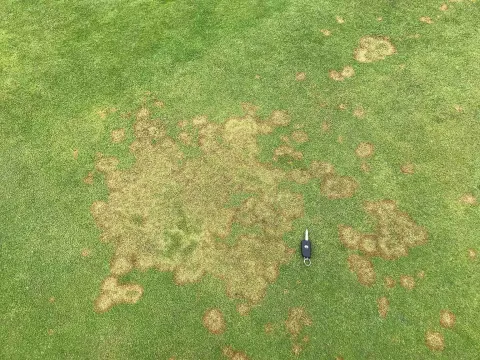
Microdochium patch
Microdochium majus
Microdochium majus is a fungal pathogen notorious for causing Microdochium patch, often referred to as pink snow mold. It belongs to the group of fungi that are highly active in cool, moist conditions, posing a significant threat to cereals and turfgrasses globally.
What the section contains
Microdochium patch
The fungus survives as mycelium or spores (conidia) in soil, crop residues, or infected plant tissues. It does not require a dormant period and can remain pathogenic throughout the winter if temperatures stay above freezing point.
It spreads primarily through water splashes and wind-borne spores. Once contact is made with a susceptible host, the fungus penetrates the cuticle and colonizes the leaf and stem tissues, often attacking the crown area of the plant.
The biological complexity of this pathogen allows it to evolve rapidly, creating various strains that can overcome some traditional resistance traits in plants. This makes the management of the disease a dynamic process requiring regular monitoring.
The life cycle is closely tied to host plant growth stages. The fungus produces sporodochia under humid conditions, providing a continuous source of inoculum that can infect plants during both the vegetative and reproductive stages.
The primary symptom of Microdochium patch is the appearance of circular or irregular patches of necrotic tissue. These patches often start as small, water-soaked spots that turn yellow or brown as the disease progresses.
Under humid conditions, especially when snow melts or in high-dew environments, a fluffy white or pinkish mycelial growth becomes visible on the surface of the infected leaves. This is a classic sign of active sporulation.
As the infection deepens, the crown and root systems of the plants are affected, leading to wilting and death of the plant. In the spring, affected areas may show stunted growth, lack of vigor, and significant thinning of the stand.
On stems, the disease may manifest as dark lesions near the base, which can lead to lodging in advanced cases. The quality of the grain in infected cereal crops is significantly reduced, often becoming shriveled and discolored.
Proper diagnosis is crucial as symptoms can overlap with other soil-borne diseases. Laboratory confirmation is often recommended to distinguish Microdochium majus from other fusarium-like species through microscopic examination.
Microdochium patch thrives in cool and wet weather. Temperature ranges between 0°C and 15°C are optimal for fungal growth, making autumn and early spring the most dangerous periods for cereal crops and turf.
Excessive soil moisture is a key factor. Areas with poor drainage are particularly susceptible to severe outbreaks, as moisture retention promotes faster fungal colonization of the plant tissues.
High nitrogen levels, especially in late autumn, can create succulent plant growth that is highly vulnerable to infection. Soft, rapidly growing tissues are easier for the fungal hyphae to penetrate compared to hardened tissues.
Reduced air circulation due to high planting density or lack of canopy management traps humidity near the ground, creating a microclimate that is perfectly suited for the rapid spread of the fungus throughout the field.
Surface residue management is vital. Fields with significant amounts of crop debris on the soil surface provide a perfect reservoir for the fungus to persist from one season to the next, increasing the baseline level of infection.
The economic impact of Microdochium patch is substantial, characterized by stand loss and reduced crop vigor. In cereals, it can lead to complete failure in the worst-affected areas, necessitating costly reseeding efforts.
In addition to density loss, the disease reduces the photosynthetic capacity of the plants, leading to lower yields and lower grain quality. The plants are less able to withstand other environmental stressors like drought or frost.
Contamination of the grain by mycotoxins is a serious concern. These toxins can make the harvest unsuitable for feed or food processing, leading to significant financial losses for producers and potential safety risks.
The cumulative effect of annual outbreaks can lead to long-term soil contamination, making it increasingly difficult to grow susceptible crops without intensive intervention. This decreases the overall profitability of the agricultural system.
Furthermore, the disease can weaken the competitive ability of the crop, allowing weeds to outcompete the affected plants. This creates additional management costs and further reduces the harvest efficiency of the system.
Integrated disease management starts with the use of certified, treated seed. Systemic fungicide seed treatments are highly effective in protecting the crop during the most vulnerable early stages of germination and establishment.
Crop rotation remains one of the most effective non-chemical strategies. By introducing non-host crops into the rotation cycle, the lifecycle of the fungus is disrupted, leading to a significant decline in its population in the soil.
Cultural practices are essential. Improving field drainage, choosing appropriate seeding dates to avoid lush growth before winter, and ensuring adequate plant nutrition are foundational to disease prevention.
Fungicide applications during the tillering stage may be necessary in high-risk environments or during years with particularly wet autumns. Monitoring thresholds and applying products based on current infection pressure can optimize control.
- Selection of resistant or tolerant cultivars where available.
- Balanced fertilization, avoiding excessive autumn nitrogen.
- Effective weed control to remove potential disease reservoirs.
- Incorporation of crop debris through deep tillage to accelerate decomposition.
- Field monitoring for early detection and rapid response.