
Microdochium patch
Microdochiaceae
The disease is caused by fungi of the genus Microdochium, with the species Microdochium nivale being the primary pathogen. These fungi are classified as ascomycetes and are well-known for their adaptation to cold environments.
What the section contains
Microdochium patch
Unlike some other soil-borne fungi, Microdochium species do not produce harmful mycotoxins in the crop. The fungus survives primarily in the soil and on crop debris, remaining viable for long periods.
Infection is typically transmitted through contaminated seed or soilborne spores. The life cycle involves the production of conidia, which act as the main dispersal units for the pathogen.
The fungus is highly resilient and can remain metabolically active at temperatures near freezing. It relies on high moisture content to initiate infection and colonize plant tissues.
The mycelium of the fungus penetrates the plant tissues, breaking down cellular components and significantly weakening the host plant's structure. Spores are dispersed through water splashes and wind.
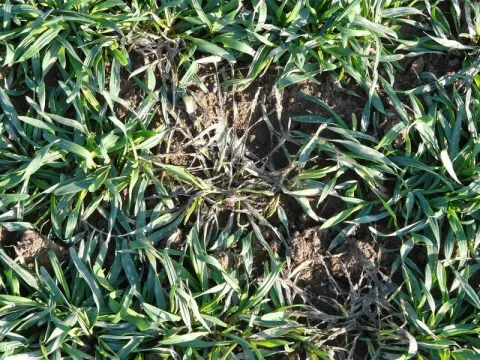
The most characteristic symptom is known as "snow mold," which appears as circular patches of dying vegetation after snow melt. These patches are often covered in white or pink fungal mycelium.
Leaves of the affected plants become water-soaked and slimy, eventually turning yellow and dying. Severe infections often lead to the collapse of the plant stems, causing lodging.
Seedlings may exhibit brown lesions or streaks, which can result in pre-emergence or post-emergence damping-off. This leads to poor stand establishment in fields.
Stunted growth and lack of vigor are common in plants that have been infected but survived. The foliage may look bleached or scorched depending on the severity of the infection.
During humid conditions, pinkish spore masses or "spore cushions" become visible on the infected plant tissues. These structures indicate an active phase of the fungal lifecycle.
High humidity and cool, damp weather are the primary conditions for the development of Microdochium patch. The pathogen is most active between 0 and 12 degrees Celsius.
Frequent thaw cycles during winter allow the fungus to proliferate under the snow cover. Prolonged, cool, and wet spring weather further accelerates the spread of the infection.
Dense, overgrown crop stands provide the microclimate necessary for the rapid spread of the fungus. Poor air circulation in these stands maintains the high humidity required by the pathogen.
Acidic soil conditions and excessive nitrogen fertilization before the winter dormancy period reduce plant hardiness. This makes the host more susceptible to fungal penetration.
The lack of proper plant hardening and stress-free growth before the onset of winter increases the risk of severe damage during the dormant season.
The primary damage is the thinning of cereal stands, often requiring reseeding. This leads to increased agricultural costs and reduced final yields at harvest time.
Infected plants suffer from poor root and tiller development, which restricts their ability to absorb nutrients. This reduction in plant vigor manifests as lower grain weight and quality.
Microdochium patch makes crops more vulnerable to secondary infections, further weakening the stand. The uneven development of the crop complicates standard harvesting procedures.
Economic losses arise from both direct yield reductions and the necessity for costly fungicide applications. In severe years, yield losses can range significantly, impacting farm profitability.
Persistent infection throughout the growing season can exhaust the plant's resources, ultimately leading to premature senescence and reduced crop productivity.
The most effective strategy involves the use of high-quality, fungicide-treated seeds. Seed treatments provide early protection against soilborne and seedborne inoculum.
Crop rotation is crucial to break the disease cycle and prevent the build-up of the fungus in the soil. Proper site selection and drainage management help reduce moisture levels.
Implementing correct seeding rates and avoiding late-season excessive nitrogen fertilization are essential cultural practices. This prevents the formation of overly dense canopies.
Fungicide applications during critical periods, such as late autumn or early spring, help manage the disease spread. Rotating systemic and contact fungicides ensures better control.
- Utilizing resistant crop varieties.
- Ensuring proper seed treatment.
- Managing field drainage to prevent moisture accumulation.
- Applying fungicides based on regional disease forecasts.