
Melampsora
Melampsora
Melampsora is a genus of rust fungi that causes significant diseases in various plant species, including poplars, willows, and linseed. These pathogens are obligate parasites belonging to the order Pucciniales.
What the section contains
Melampsora
The fungus has a complex life cycle, typically requiring different hosts to complete its sexual reproduction cycle. However, the asexual stage often spreads rapidly among the same host species.
Melampsora pathogens infiltrate plant tissues, extending mycelium between cells and drawing nutrients through specialized structures called haustoria, which significantly weakens the host plant.
Urediniospores are the primary means of dissemination during the growing season, produced in massive quantities on the surface of infected leaves.
The fungus survives the winter primarily as teliospores, which remain on fallen leaves or plant debris, providing an inoculum source for the following spring.
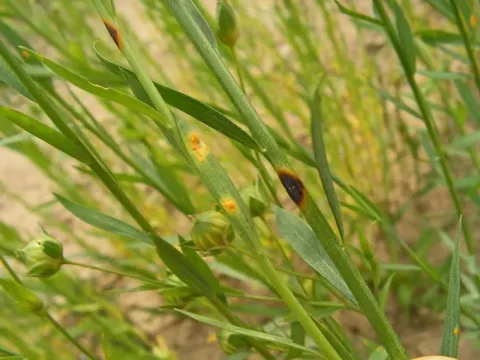
The first symptoms of Melampsora rust include small chlorotic or yellow spots appearing on the upper surface of the leaves, marking the site of internal fungal development.
Characteristic pustules, known as uredinia, develop on the undersides of leaves. These pustules break through the epidermis and release a dusty mass of yellow to orange spores.
As the infection progresses, these pustules can coalesce, leading to significant chlorosis and premature leaf drop, which deprives the plant of its photosynthetic machinery.
In severe cases, stem infections may occur in young plants, causing lesions and deformities that restrict fluid transport and stunt growth.
Visible signs also include leaf curling and browning, which gradually affects the entire foliage, making the plant appear thin or scorched during the peak growing season.
Melampsora outbreaks are heavily dependent on environmental conditions, specifically high humidity and moderate temperatures, which are essential for spore germination.
Periods of rainfall or heavy morning dew provide the necessary moisture layer on the leaf surface, allowing the fungal spores to germinate and infect the plant tissue.
Dense planting patterns and poor air circulation create a microclimate that traps moisture and facilitates the rapid spread of the pathogen between plants.
Wind is the primary vector for spreading urediniospores across fields and nurseries, making the infection difficult to contain once established in a region.
Warm summer temperatures, ranging from 18 to 25 degrees Celsius, provide the ideal metabolic window for the rapid colonization of host tissues by the fungus.
The primary economic impact of Melampsora is the reduction in plant vigor and biomass accumulation. The loss of foliage directly impacts the plant's photosynthetic capacity.
Stunted growth is a common consequence for seedlings and young trees, which may become susceptible to secondary infections or winter damage due to weakened states.
In agricultural crops like flax (linseed), rust infections lead to poor fiber quality and low seed yield, making the crop economically non-viable in high-pressure years.
Repeated annual infections can lead to the decline of entire stands, potentially causing significant financial losses in commercial forestry and nursery operations.
The aesthetic and ecological value of ornamental plants is severely diminished when rust outbreaks occur, often necessitating expensive remediation measures.
Effective management begins with strict sanitation practices, including the removal and destruction of fallen leaves and infected debris to reduce the overwintering inoculum.
Using resistant varieties is the most sustainable approach for managing Melampsora rust, as it eliminates the need for repeated chemical interventions.
Cultural methods, such as maintaining appropriate plant spacing to improve ventilation and using balanced fertilization, help to increase host plant resilience.
Chemical control involving fungicides may be necessary during periods of high disease pressure. Applying systemic products can help stop established infections.
- Integrated Pest Management (IPM) practices.
- Early detection through regular field scouting.
- Use of certified disease-free planting materials.
- Avoiding overhead irrigation to keep foliage dry.