
Melanconiosis
Melanconis
Description
Symptoms
The initial signs of melanconiosis include the appearance of darkened, sunken spots on the bark surface, which eventually turn deep brown or black.
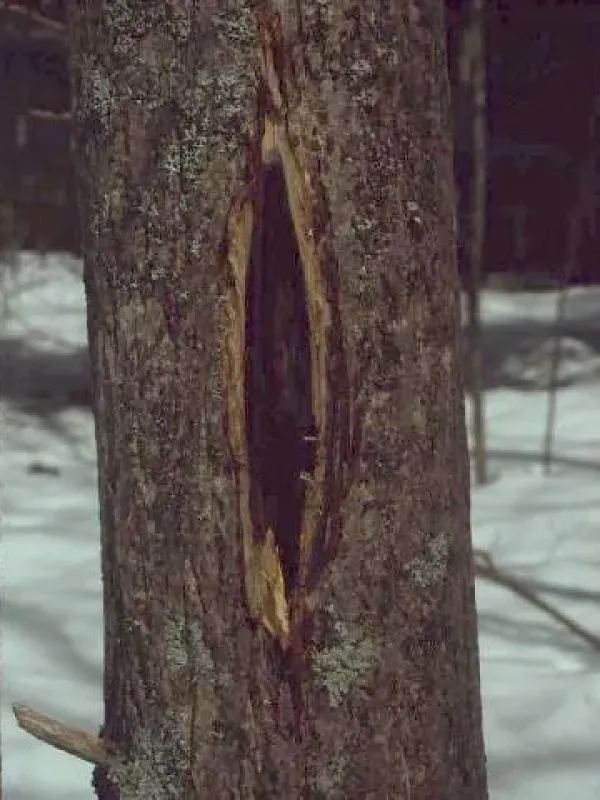
As the infection progresses, the infected bark dies and starts to crack. Distinct, small black pustules (fruiting bodies) become visible on the dead tissue.
Leaves on infected branches show signs of wilting, premature chlorosis, and eventual drop. Severe cases lead to the dieback of entire branches or tree sections.
A notable symptom is the sharp demarcation line between the necrotic infected area and the surrounding healthy bark, often accompanied by resin flow or deep fissures.
- Dark, sunken necrotic spots on bark.
- Development of small black stroma/pustules.
- Cracking and peeling of the infected bark.
- Dieback of branches and crown thinning.
Pathogen
Melanconiosis is a serious fungal disease caused by various species of the genus Melanconis. It primarily affects the bark and cambium layers of woody plants.
The fungus acts as a facultative parasite, taking advantage of weakened plant systems to colonize tissues. Infection typically starts through wounds, frost cracks, or improper pruning cuts.
The pathogen develops stroma, which are black, pimple-like fruiting bodies that break through the bark epidermis. These structures produce conidia that facilitate the spread of the disease.
The fungus persists in infected branches and plant debris throughout the winter, remaining ready to produce spores when the environmental conditions become favorable.
Once established in the host tissue, the mycelium spreads within the bark, damaging conductive tissues and eventually girdling the affected branches or trunks.
Conditions for development
The development of melanconiosis is heavily influenced by mechanical injuries to the bark caused by hail, heavy wind, or poor pruning practices.
High humidity and moderate temperatures provide the perfect environment for the germination of fungal spores and the colonization of new tissue.
Poor orchard sanitation, where infected pruning waste is left on the ground, creates a constant source of inoculum that can infect nearby healthy trees.
Environmental stress, such as drought or waterlogging, weakens the tree's natural defense mechanisms, making it significantly more susceptible to the fungal invasion.
Dense planting schemes that limit air circulation and increase humidity within the canopy promote the growth and spread of the fungus.
Why it matters
Melanconiosis significantly reduces the vigor and yield of fruit trees, leading to economic losses for orchardists and nursery owners.
The disease causes chronic stress to the plant, making it highly vulnerable to secondary infections and infestations by wood-boring insects.
Persistent infection leads to the loss of structural integrity of branches, which can become dangerous in windy conditions or under heavy fruit loads.
In landscape gardening, the disease ruins the aesthetic appeal of trees, often necessitating the removal of entire specimens to prevent further spread.
If left unmanaged, the pathogen can destroy young plantations, as saplings are particularly sensitive to bark necrosis caused by Melanconis.
Protection
The primary control strategy involves rigorous sanitation, including the prompt removal and burning of all infected branches and dead wood.
All pruning cuts and bark wounds should be treated with appropriate disinfectants or wound paints to prevent the pathogen from entering the tree.
Preventive spraying with copper-based fungicides during the dormant season and early spring can effectively reduce the population of fungal spores.
Promoting overall tree health through balanced fertilization and correct irrigation is crucial to help the tree naturally resist fungal colonization.
Regular monitoring of the orchard is essential for the early detection of the disease, allowing for immediate intervention before the infection spreads to healthy trees.
Discussion
No discussions yet — be the first.