
Melanconiellaceae
Melanconiellaceae
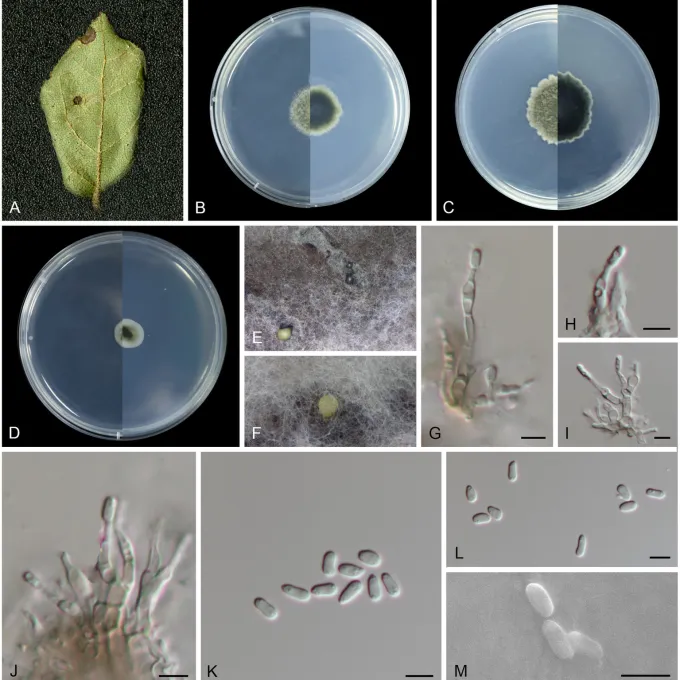
Description
Symptoms
The primary symptom of infection is the development of necrotic lesions on the bark of trunks and branches. Affected areas often appear discolored, sunken, or cracked compared to healthy bark.
Small, dark, pimple-like structures may appear on the surface of the bark, representing the fungal fruiting bodies. These structures often emerge in clusters through small ruptures in the bark.
During periods of high humidity, sporulating masses may emerge from these fruiting bodies, appearing as droplets or a powdery discharge that serves as a vector for further spread.
Foliage on infected branches may exhibit chlorosis, premature yellowing, and wilting due to the interruption of nutrient and water flow caused by the necrosis of the underlying cambium layer.
As the infection progresses and girdles a branch, the portion above the lesion will dry out and die, leading to progressive dieback of the crown.
Pathogen
Melanconiellaceae is a family of Ascomycete fungi within the order Diaporthales. These fungi are primarily known as saprophytes or weak parasites that inhabit the bark and wood tissues of various deciduous tree species.
The morphology of these fungi involves the formation of stromatic structures within the host tissue, where perithecia develop. Conidial locules eventually break through the bark, which is a hallmark of their reproductive cycle.
They act as opportunistic pathogens, often colonizing tissues that have been weakened by environmental stress factors such as frost damage, drought, or physical injury.
These fungi degrade structural components of woody tissues, such as lignin and cellulose, using specific enzymatic mechanisms that allow them to thrive in the woody niche.
The lifecycle typically includes both sexual (ascospores) and asexual (conidia) stages, enabling efficient dispersal and persistence within diverse forest and horticultural ecosystems.
Conditions for development
Melanconiellaceae development is highly dependent on the physiological vigor of the tree. Trees stressed by moisture deficits or poor soil conditions are significantly more susceptible to infection.
High humidity and moderate temperatures provide optimal conditions for the germination of fungal spores. Rain splash acts as the primary mechanism for dispersing spores within the canopy.
Densely planted orchards with poor airflow maintain high micro-humidity levels, which promote the rapid spread and establishment of the fungus on susceptible bark surfaces.
Mechanical wounds inflicted by pruning tools, storm damage, or pest feeding create entry points that facilitate fungal penetration into the host's internal tissues.
Lack of sanitization of tools between different trees significantly increases the risk of transferring the pathogen across an orchard.
Why it matters
The primary damage caused by these fungi is the necrosis of bark and vascular tissue, which leads to branch dieback and reduces the tree's overall photosynthetic capacity.
Severe infestations can lead to the loss of entire branches or, in vulnerable young trees, the death of the entire specimen, causing significant financial losses for growers.
The weakened wood structure resulting from fungal decay makes trees more prone to physical breakage during adverse weather conditions, such as high winds or heavy snow.
Persistent infections reduce the tree's aesthetic value and marketability, which is particularly detrimental for commercial nurseries and ornamental horticulture.
By creating entry points and compromising defense mechanisms, these fungi often pave the way for secondary infestations by wood-boring insects, further compounding the damage.
Protection
Effective management begins with maintaining high plant vigor through proper nutrition, irrigation, and avoiding environmental stress to ensure the tree's natural defenses are active.
Sanitation is critical: all infected branches must be pruned well into healthy tissue and removed from the site to prevent spore accumulation.
All pruning wounds should be treated with protective sealants or fungicides to prevent opportunistic colonization by the fungi after cuts are made.
- Regular application of copper-based fungicides in the dormant season.
- Strict disinfection of all pruning tools using alcohol or bleach solutions.
- Whitewashing trunks to prevent sunscald, a common entry point for fungi.
Monitoring the orchard for early signs of bark necrosis allows for early intervention, preventing the disease from spreading to healthy trees and minimizing long-term damage.
Discussion
No discussions yet — be the first.