
Megalospora
Megalospora
Megalospora is a genus of lichenized fungi that often colonize the bark of trees in older or poorly managed orchards. While primarily considered epiphytic, their presence can indicate a micro-environment that is overly favorable for moisture retention and potential secondary pathogens.
What the section contains
Megalospora
The pathogen consists of a fungal component that produces apothecia—fruiting bodies that anchor the fungus firmly to the tree bark. By utilizing the bark as a substrate, these fungi can disrupt the physiological processes of the host tree’s surface layers.
This type of infestation is classified as an epiphytic fungal growth that can eventually affect the integrity of the periderm. While not typically a lethal parasite, its heavy colonization poses a risk to tree vitality by limiting natural gas exchange.
The mycelium of the fungus integrates into the superficial layers of the bark. This structural integration makes it difficult to remove and allows the colony to survive various environmental stressors throughout the growing season.
The biology of the pathogen is intrinsically linked to atmospheric humidity and the availability of nutrients on the bark surface. Reproduction occurs via spores, which are easily disseminated by wind and water across the orchard canopy.
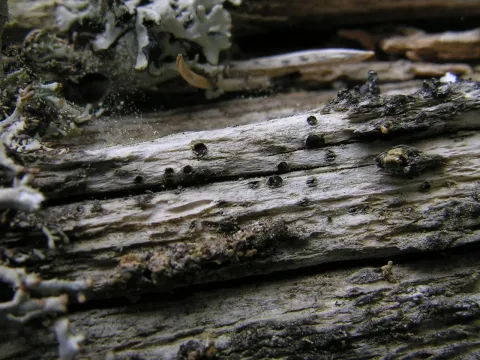
The primary symptom of Megalospora infestation is the appearance of distinct crust-like or disk-shaped growths on trunks and branches. These formations often vary in color, ranging from muted grays to light greens or brownish tones.
Upon close inspection, one can identify small, disk-shaped apothecia characteristic of this genus. These structures are often tightly pressed against the bark, forming dense mats that cover significant portions of the wood.
Affected bark loses its natural elasticity and smoothness, becoming rough and brittle. In areas of intense colonization, the bark may show signs of premature cracking or peeling, indicating a disruption in growth.
Underneath the fungal mats, the bark often exhibits discoloration or moisture accumulation. This wet micro-environment is a telltale sign that the fungus is actively modifying the surface conditions of the host tree.
As the infestation progresses, trees may show signs of overall decline, characterized by reduced annual growth and a dull appearance of the canopy. The structural presence of the fungus is most noticeable during periods of high humidity.
High humidity and poor air circulation are the most significant factors promoting the development of Megalospora. Orchards with overly dense canopies or those located in low-lying, damp areas are particularly susceptible to colonization.
The age and condition of the tree play a crucial role, as older trees with rough, thick bark provide more hospitable substrates for the fungal spores to settle and grow. Younger trees with smooth bark are less prone to infestation.
Lack of proper sanitary maintenance, such as the failure to remove dead wood or thin the branches, creates a stagnant micro-climate. This allows the fungus to flourish without competition from natural sunlight or drying winds.
Temperature fluctuations in temperate climates do not significantly inhibit the growth of the fungus. Megalospora remains persistent throughout the growing season, taking advantage of even short periods of rainfall or fog.
Overall tree health impacts susceptibility; trees weakened by nutrient deficiencies or previous diseases lack the protective vigor necessary to resist the encroachment of epiphytic fungal colonies.
The most immediate harm caused by Megalospora is the creation of hiding spots for orchard pests. Insects such as scale insects, mites, and various larvae frequently inhabit the space beneath the fungal mats, protected from both predators and chemical treatments.
By covering large areas of the trunk and branches, the fungus interferes with the bark's ability to breathe and perform gas exchange. This puts undue stress on the tree, potentially leading to weakened growth and reduced resilience.
The presence of the fungus facilitates the development of cracks and fissures in the bark, which serve as entry points for more aggressive fungal or bacterial pathogens. This can lead to localized necrosis or decay of the wood.
In commercial settings, heavy colonization reduces the aesthetic and market value of nursery stock. Growers may face increased costs due to the need for manual cleaning or the removal of heavily infested branches.
Long-term infestation without intervention can lead to the gradual decline of tree vitality. While rarely fatal on its own, it significantly weakens the tree's defense system against environmental stressors like drought or extreme frost.
Sanitary pruning is the most effective management strategy for controlling Megalospora. By removing overcrowded branches and dead wood, growers can significantly improve light penetration and air circulation, creating an environment unfavorable for the fungus.
Manual removal of the fungal colonies using specialized brushes or scrapers is recommended during the dormant season. Care must be taken to remove the growths without damaging the healthy living tissue of the bark.
After mechanical cleaning, the application of disinfecting treatments such as Bordeaux mixture or copper-based fungicides helps to sterilize the bark surface and prevent the re-establishment of fungal spores.
Whitewashing tree trunks with a lime-based solution is a traditional and highly effective method. The alkaline nature of the wash creates an inhospitable surface for fungal colonization and provides a physical barrier against spores.
Maintaining high horticultural standards, including balanced fertilization and proper irrigation, promotes healthy bark growth. A vigorous tree with rapid bark renewal is much better equipped to resist the accumulation of epiphytic fungi.