
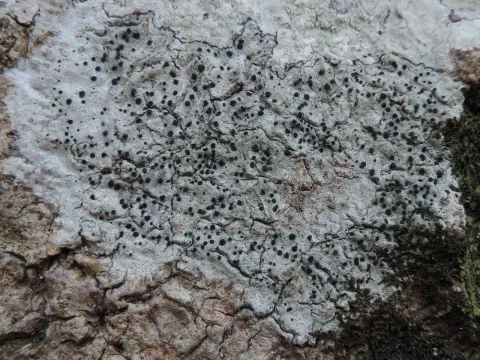
Megalaria
Megalaria
Megalaria refers to a fungal pathogen group responsible for causing significant damage to agricultural crops. This pathogen thrives by colonizing the plant tissues, utilizing internal moisture and nutrients to proliferate throughout the host.
What the section contains
Megalaria
The fungus spreads primarily through airborne spores, which can travel long distances during windy weather. Once they land on a susceptible host, they initiate the infection process within a few hours if moisture is present.
Biologically, the pathogen exhibits a high degree of adaptability. It can persist in the soil or on decaying plant matter for extended periods, waiting for the right conditions to reactivate and infect new plantings.
The mycelium of the fungus is highly resilient, capable of surviving harsh winter conditions. This allows the disease to re-emerge season after season if proper sanitation practices are not strictly followed.
Molecular research shows that the pathogen possesses a complex genetic structure, allowing it to develop resistance to common chemical treatments, which necessitates the use of integrated pest management strategies.
The primary symptom of Megalaria is the appearance of chlorotic spots on leaves, which gradually darken into necrotic lesions. These spots often display a distinct margin, helping in field identification.
Affected plants often show signs of stunted growth and developmental deformation. In severe cases, the foliage may curl or become brittle, leading to premature leaf drop and overall plant vigor decline.
Under humid conditions, a characteristic mycelial growth may appear on the surface of the lesions. This is the reproductive stage of the fungus, producing millions of spores for further dissemination.
Stem necrosis is another critical sign to monitor. Deep fissures may appear on the main stalk, disrupting the plant's vascular system and preventing the efficient transport of water and nutrients.
- yellowing of leaf tissue;
- browning of lesions;
- premature wilting;
- deformed fruit growth;
- reduced total harvest.
High humidity and moderate temperatures are the primary triggers for Megalaria outbreaks. Prolonged periods of rainfall followed by cloudy days create the perfect microclimate for rapid fungal spread.
Poor ventilation within dense canopy crops significantly increases the risk of infection. When leaves remain wet for too long, the spores find an ideal environment to penetrate the leaf cuticle.
Excessive use of nitrogen fertilizers encourages rapid, succulent growth that is highly vulnerable to fungal invasion. The lack of stronger, lignin-rich tissue makes the plant an easy target.
Poor field sanitation is a major factor in the disease cycle. Leaving debris from previous crops on the field provides a harbor for the pathogen to survive and spread to subsequent crops.
Environmental stress, such as sudden temperature changes or soil salinity, can weaken the plant's natural defense mechanisms, making it more susceptible to Megalaria infection.
The economic impact of Megalaria is substantial, as it leads to both quantitative and qualitative yield losses. Plants fail to reach their full potential, resulting in smaller and less marketable harvests.
In addition to yield reductions, the disease can affect the storage life of harvested produce. Infected fruits or vegetables are more prone to secondary rot during transport and storage phases.
Widespread outbreaks can devastate entire fields, leading to significant revenue losses for producers. The cost of emergency fungicide applications further strains the farm's budget.
Long-term exposure to the pathogen can lead to soil-borne issues that make specific fields less suitable for cultivation, forcing farmers to look for alternative crops or expensive soil remediation.
The disease also disrupts the natural balance of the crop ecosystem, as weakened plants lose their competitiveness against weeds and become more sensitive to other environmental threats.
Crop rotation is the most effective cultural practice for controlling Megalaria. By alternating with non-host crops, farmers can starve the pathogen and break its reproductive cycle in the field.
Proper field management, including the removal and destruction of crop residues, is vital. Deep plowing helps bury the infected debris, reducing the number of spores available for the next season.
Systemic fungicides are recommended when early symptoms are detected. It is crucial to use different chemical classes to prevent the fungus from developing resistance over time.
Improving air circulation through adequate plant spacing and regular pruning can prevent the build-up of humidity. This is especially important for greenhouse-grown crops and high-density plantings.
Continuous monitoring and early intervention are key to successfully managing the disease. Using resistant varieties and maintaining optimal soil fertility can significantly lower the risk of infection.