
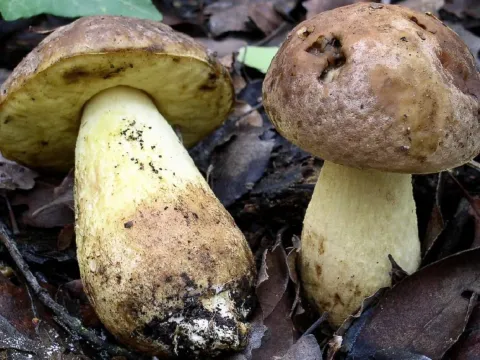
Leccinellum lepidum
Leccinellum lepidum
It is critical to clarify that Leccinellum lepidum is not a plant disease or a pathogen. It is a species of edible mushroom belonging to the Boletaceae family, known for its mycorrhizal nature.
What the section contains
Leccinellum lepidum
The fungus does not cause damage to plants; instead, it establishes a mutually beneficial symbiotic relationship with trees, primarily oak species, forming mycorrhizae that enhance the host's nutrient uptake.
Taxonomically, this species was formerly associated with the genus Leccinum but is now classified under Leccinellum due to distinct morphological features of its spore prints and cap structure.
The biological lifecycle of this fungus is integrated into forest systems where it facilitates water and mineral exchange between the soil and tree roots, improving the health of forest stands.
Therefore, this organism does not require any pest or disease control measures, as it acts as a beneficial component of forest ecosystems rather than an agricultural threat.
The growth of Leccinellum lepidum is strictly tied to specific forest habitats, particularly those found in Mediterranean climates characterized by mild, wet winters and warm, dry summers.
The fungus thrives in soils associated with oak trees, requiring a sufficient layer of leaf litter to maintain the moisture levels necessary for the development of its fruit bodies.
Temperature serves as a primary environmental driver, with seasonal rainfall patterns acting as the key trigger for the emergence of the mushrooms from the soil.
The species relies on established, mature forest ecosystems where mycorrhizal networks have had years to stabilize and interact with the root systems of host trees.
Due to its high sensitivity to environmental fluctuations, the presence of this mushroom is often considered a bio-indicator of a healthy, undisturbed woodland environment.