
Leccinum
Leccinum
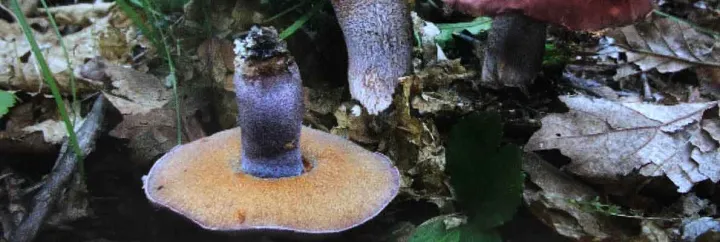
Description
Pathogen
The name Leccinum refers to a genus of edible mushrooms, commonly known as boletes or stalk-balls, which are entirely harmless to plants.
These organisms are not plant pathogens and cannot be classified as agents of any plant disease or infection.
Leccinum species function primarily as mycorrhizal symbionts that establish mutualistic relationships with the root systems of various forest trees.
Their mycelium interacts with roots to exchange nutrients, assisting the plant in absorbing minerals and water from the soil.
In pathology, there are no records of Leccinum causing damage to plant tissues, necrosis, or systemic illnesses in crops or trees.
Conditions for development
The growth of Leccinum is strictly dependent on specific ecological conditions, including high soil moisture and temperate climate cycles.
These mushrooms typically thrive in woodland areas where they can form symbiotic connections with deciduous tree species.
The soil structure must be conducive to fungal growth, often rich in organic matter and well-drained to support the network of mycelium.
Seasonal patterns, such as the late summer and autumn rainfall, act as the primary triggers for the emergence of fruiting bodies.
Without the presence of host trees, the life cycle of these fungi cannot be completed, as they rely on carbon compounds provided by the plant.
Why it matters
There is absolutely no harm posed by Leccinum to agricultural crops or forest health, as they are not parasites.
Their presence is considered ecologically beneficial, as they contribute to the biodiversity and stability of the forest floor environment.
These fungi do not compete with plants for resources in a destructive manner and do not inhibit plant physiological processes.
Agricultural productivity remains unaffected by the existence of bolete mycelium in the proximity of plants.
Therefore, classifying this genus as a threat is scientifically incorrect and contrary to established mycological research.
Protection
No control or protective measures are necessary, as Leccinum does not constitute a disease that requires intervention.
The use of fungicides to eliminate these fungi is strongly discouraged, as it may disrupt the beneficial soil microbiome.
Integrated plant management should focus on identifying genuine pathogens rather than targeting harmless mycorrhizal fungi.
Maintaining a healthy ecosystem encourages the natural symbiosis between these mushrooms and trees, which is beneficial for plant health.
Educated observation confirms that these organisms are part of a healthy, functioning environment rather than a target for pest management.
Discussion
No discussions yet — be the first.