
Hapalosphaeria
Hapalosphaeria
The disease is caused by the fungus Hapalosphaeria deformans, an obligate pathogen that specifically infects plants of the genus Rubus, primarily raspberries and blackberries.
What the section contains
Hapalosphaeria
The fungus targets the generative organs of the plant. Its mycelium invades the developing ovaries during the flowering stage, interfering with normal fruit tissue differentiation.
It overwinters as mycelium within infected plant tissues or as dormant fungal structures on debris remaining in the field after the harvest season concludes.
In spring, as temperatures rise, the fungus produces conidia, which are disseminated by wind, rain splashes, and insects to open flowers, initiating new infection cycles.
The pathogen is highly specialized, meaning its life cycle is synchronized with the phenology of the host plant, manifesting damage only when the fruit begins to form and swell.
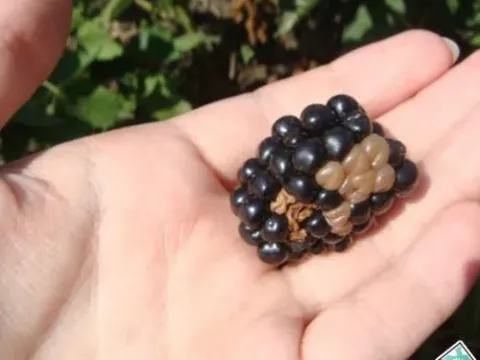
The primary symptom of this disease is the severe deformation of raspberry drupelets, causing the fruit to appear lumpy, asymmetrical, and physically distorted.
Affected drupelets often fail to mature properly, remaining small, hard, or dry, which gives the entire berry a disjointed or "cluster-like" appearance rather than a uniform shape.
In cases of high infection pressure, a fine, pale fungal growth or spore mass may be visible on the surface of the deformed drupelets under magnification.
Floral structures, including sepals and pedicels, may show necrotic spots or premature browning, which are early signs of fungal colonization before the fruit begins to enlarge.
The overall vigor of the raspberry cane usually remains unaffected, making the disease specifically a problem of the reproductive organs and marketability of the yield.
The development of Hapalosphaeria is heavily dependent on cool to moderate temperatures and high humidity during the bloom period of the raspberry bushes.
Poor orchard sanitation, characterized by dense, unpruned canes that lack adequate airflow, creates a stagnant microclimate that fosters rapid fungal spore germination.
Frequent rainfall during the critical flowering window promotes the spread of conidia from overwintering sites onto susceptible receptive flowers.
Neglecting to remove old fruiting canes and mummified berries from the previous season provides a persistent reservoir for the pathogen to thrive in the following year.
The proximity of commercial raspberry fields to unmanaged wild blackberry or raspberry thickets can significantly increase the risk of cross-contamination.
The primary impact of this disease is the complete loss of marketable quality for the affected berries, as they are unsuitable for both fresh market sale and processing.
Beyond visual deformation, the internal structure of the fruit is compromised, resulting in dry, flavorless berries that lack the juice content expected by consumers.
Severe infestations can lead to substantial yield losses, with up to 20-30% of berries on infected plants showing characteristic symptoms, causing significant financial losses for growers.
The deformed and physically weakened berries are highly susceptible to opportunistic secondary infections, such as gray mold (Botrytis cinerea), leading to further rot.
Growers face increased management costs due to the need for stricter sanitation protocols and targeted fungicide applications, which complicate overall production economics.
Effective management begins with strict orchard sanitation, which is the most critical step in minimizing the spread of Hapalosphaeria deformans.
- Remove and destroy all deformed fruit and infected plant debris immediately.
- Maintain optimal cane density through regular thinning to ensure good air circulation.
- Select disease-resistant cultivars when establishing new raspberry plantations.
- Apply preventative copper-based fungicides during the pre-bloom and bloom stages if the disease history is present.
Cultural practices, such as removing wild Rubus species from the vicinity of the plantation, help reduce the overall infectious pressure from external sources.
Monitoring the plantation during the early stages of fruit development is essential to identify and isolate affected zones before the fungus spreads further across the orchard.