
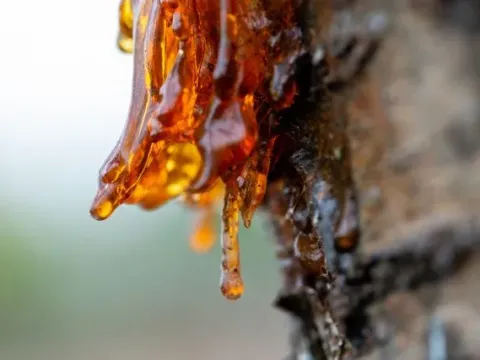
Gummosis of apricot
Unknown etiology
The primary symptom of gummosis is the exudation of a viscous, sticky substance, known as gum, from the bark of the trunk, scaffold branches, and twigs. Initially, these drops are translucent but darken to amber or brownish hues as they oxidize in the air.
What the section contains
Gummosis of apricot
Affected bark areas frequently crack or split, exposing the underlying wood, which creates an ideal entry point for secondary fungal or bacterial pathogens. Over time, the bark may necroticize, leading to the formation of deep, unsightly lesions.
Infected trees often show signs of overall decline, characterized by smaller, paler leaves that may fall prematurely. The vigor of the tree is significantly compromised, leading to stunted growth.
Severe infestations often result in the dieback of specific branches or the entire tree. Gummosis can occur as localized weeping spots or affect large areas of the trunk, depending on the severity of the underlying stress.
It is critical to distinguish between physiological gummosis caused by environmental stress and pathogen-induced infections, though both manifest with identical exterior symptoms requiring intervention.
Gummosis in apricots is typically classified as a physiological disorder (non-infectious etiology) triggered by unfavorable environmental conditions. It is essentially a defensive reaction of the plant tissue to stress.
Secondary infections often exacerbate the condition when opportunistic fungi or bacteria colonize the initial wounds, leading to inflammation within the cambium layer. Thus, gummosis is often a consequence of weakened plant immunity.
Improper cultivation practices, such as excessive nitrogen application, can stimulate rapid, succulent growth that outpaces the tree's vascular structure, causing internal cell ruptures and sap leakage.
Genetics play a role, as certain apricot cultivars are more predisposed to bark cracking and sensitive to temperature fluctuations, making them more prone to this physiological breakdown.
Biologically, the process involves the transformation of cell wall components into a mucilaginous mass, which is then forced out through cracks in the bark due to internal osmotic pressure.
Sudden temperature fluctuations, especially during spring, are a major trigger; warm daytime temperatures initiate sap flow, while night frosts cause freezing and rupturing of vascular tissues.
Improper irrigation that leads to soil saturation and waterlogging in the root zone significantly contributes to the disorder. Poor drainage is one of the most common environmental precursors to tree stress.
Mechanical damage caused by improper pruning, rodent activity, or sunscald creates entry points for the condition. Unprotected pruning wounds serve as primary sites for the development of gumming.
Heavy, acidic soils with poor aeration prevent proper root respiration, weakening the tree's metabolic functions and leaving it susceptible to internal disorders like gummosis.
Nutrient imbalances, particularly a deficiency in potassium combined with an excess of nitrogen, inhibit the proper hardening of wood, making the tree vulnerable to harsh weather conditions.
The harm caused by gummosis includes a systemic loss of water and essential nutrients, leading to gradual depletion of the tree's energy reserves and a marked decline in overall productivity.
Persistent weeping wounds act as magnets for pathogens, including those causing monilinia or cytospora canker. This drastically increases the risk of the tree being killed by secondary infections.
Disruption of the vascular system in the branches leads to limb dieback. If the infection reaches the main trunk, it can lead to total tree death due to the failure of sap transport.
Fruit quality and commercial value suffer greatly; apricots from affected trees are often smaller, deformed, and have reduced sugar content due to the compromised health of the tree.
An infected tree serves as a focal point for further orchard problems, as its weakened state attracts various wood-boring pests and secondary diseases.
Prevention begins with selecting appropriate planting sites: avoid areas with high water tables or heavy, poorly drained soils. Ensure effective drainage throughout the orchard footprint.
Maintain hygiene by disinfecting pruning tools between trees and sealing all pruning wounds with proper horticultural wound paint or antifungal pastes to prevent pathogen entry.
When gumming is detected, carefully scrape away the affected bark down to healthy tissue, disinfect the area with a 1–3% copper sulfate solution, and seal it with a protective wound dressing.
Manage fertilization carefully: reduce nitrogen applications in late summer to ensure proper wood maturation. Supplement with potassium to improve overall tree resistance to stress.
- Apply white latex paint to trunks to prevent sunscald.
- Protect trunks from winter temperatures with suitable insulation.
- Regularly prune and burn heavily infected, dead, or dying limbs.
- Monitor soil moisture levels throughout the growing season to avoid extremes.