
Guepiniopsis
Guepiniopsis
Description
Symptoms
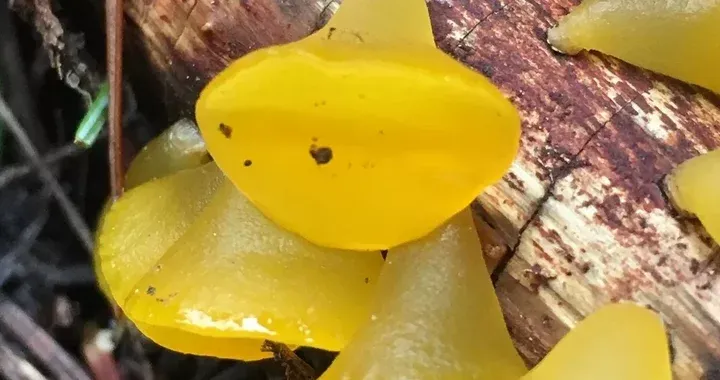
The most prominent sign of Guepiniopsis is the presence of bright yellow to orange cup-shaped or goblet-shaped fruiting bodies on bark or wood surfaces.
These fruiting bodies are highly hygroscopic, swelling visibly during wet weather and shrinking significantly during dry spells, which helps them survive fluctuations.
Infected wood areas often show signs of accelerated softening and discoloration, indicating that the fungus is actively breaking down the plant tissues.
Early symptoms may appear as small clusters of fungal growth emerging from cracks in the bark or near pruning wounds on branches or trunks.
Advanced infections can lead to larger aggregations of the fungus, clearly marking the areas where the structural integrity of the wood is being compromised.
Pathogen
Guepiniopsis is a genus of fungi belonging to the Dacrymycetales order, often found as saprotrophs on decaying wood or as opportunistic pathogens on weakened trees.
The fungus produces small, gelatinous basidiocarps, which are the main diagnostic features used for its identification in the field and laboratory.
Like many wood-decay fungi, Guepiniopsis secretes enzymes that break down complex woody components, including cellulose and lignin, to obtain nutrients.
The mycelium resides within the wood substrate, allowing the organism to persist throughout various seasons, becoming active whenever moisture levels rise.
Spore dispersal occurs primarily through wind and water splashes, allowing the fungus to colonize new vulnerable woody surfaces effectively.
Conditions for development
Guepiniopsis thrives in environments characterized by high humidity, frequent rainfall, and low evaporation rates, which maintain the required moisture for the fungus.
Shaded and poorly ventilated areas in orchards or forests create a microclimate that is exceptionally favorable for the development of its fruiting bodies.
Temperatures that are moderately cool and damp provide the ideal conditions for the metabolism and spore production of this fungal genus.
The presence of weakened wood or exposed necrotic tissue serves as the primary entry point, allowing the fungus to establish its colony successfully.
Poor orchard hygiene, such as leaving dead branches or decaying logs near healthy trees, facilitates the spread of spores throughout the area.
Why it matters
The primary danger of Guepiniopsis lies in its role as a colonizer of unhealthy trees, which accelerates the deterioration of tree limbs and trunks.
By consuming woody tissues, the fungus weakens the internal structure of the tree, potentially increasing the risk of branch breakage during storms or high winds.
The presence of this fungus often signals underlying stress or poor tree health, suggesting that the plant's natural defense mechanisms have been compromised.
In commercial orchards, its establishment can lead to reduced productivity as the tree's resources are diverted toward fighting secondary infections.
Continuous colonization by the fungus limits the transport efficiency of nutrients within the affected branches, leading to a slow but steady decline in vitality.
Protection
Effective management begins with strict sanitation practices, including the prompt removal and disposal of any dead or severely decaying wood from the vicinity.
Pruning wounds and other bark injuries should be protected with appropriate wound sealants to prevent the ingress of fungal spores and pathogens.
Ensuring proper tree health through balanced fertilization and correct watering practices significantly increases the tree's natural resistance to colonization.
Regular pruning to open up the canopy and improve air circulation helps to reduce humidity levels around the bark, making the environment less hospitable for fungi.
Monitoring the health of trees and removing initial fungal growth before it spreads helps to maintain the long-term vigor and safety of the orchard or landscape.
Discussion
No discussions yet — be the first.