
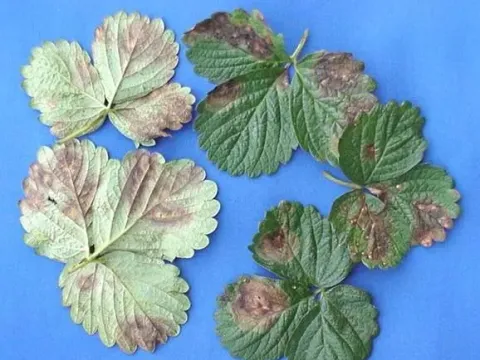
Gnomoniopsis
Gnomoniopsis
The disease is caused by fungi of the genus Gnomoniopsis, with Gnomoniopsis castaneae being a significant pathogen affecting various nut-bearing trees.
What the section contains
Gnomoniopsis
This fungus acts as an ascomycete, producing spores that are easily disseminated by wind and water, facilitating rapid spread within orchards.
The pathogen can persist as an endophyte within the host tissue, remaining dormant until environmental conditions trigger its transition to a parasitic phase.
Overwintering occurs primarily in infected plant debris, such as fallen leaves and decaying fruit, which serve as the main inoculum sources.
The biological complexity of the fungus, including the formation of perithecia, makes it a resilient organism that is difficult to eradicate completely.
Common symptoms include the appearance of dark, necrotic spots on the outer shell of fruits, eventually leading to internal decay.
Internally, the seeds become discolored, often turning dark brown or black, accompanied by a mealy texture due to the presence of mycelium.
Affected branches may show signs of wilting or localized necrosis, resulting in reduced vitality and eventual death of the affected plant parts.
Under humid conditions, small black fruiting bodies appear on the surface of the infected organs, releasing additional spores for secondary infections.
The total loss of commercial fruit quality is a hallmark sign, rendering the harvest completely unsuitable for consumer use.
The infection process is highly dependent on wet weather conditions, particularly during the flowering stage when the fungus enters the host.
Optimal growth temperatures for the pathogen typically range from 15°C to 25°C, coupled with high atmospheric humidity levels.
Poor orchard sanitation and dense canopy growth create stagnant microclimates that favor the germination and spread of fungal spores.
Mechanical damage caused by insects or harvesting tools provides entry points for the pathogen to infect healthy fruit tissues.
Periods of frequent rainfall late in the summer significantly increase the risk of massive fruit rot and subsequent production losses.
The primary economic impact is the severe reduction in marketable yield, as infected fruits are unsuitable for trade and consumption.
High levels of infection can cause significant losses of up to 50% or more, depending on the severity of the growing season's weather.
The disease negatively impacts seed viability, posing a major challenge for tree propagation and nursery management programs.
Chronic infections weaken the overall vigor of the host plant, making it more susceptible to secondary environmental stresses.
The spread of the pathogen via infected nursery stock threatens the long-term sustainability of new and existing plantations.
Effective management requires strict sanitation practices, including the removal and destruction of all fallen plant material and infected fruits.
Application of systemic or contact fungicides during the critical flowering stage is essential for preventing the primary infection.
Pruning techniques that improve light penetration and airflow within the canopy are crucial for minimizing moisture accumulation.
Selecting and planting resistant or less susceptible cultivars is a long-term strategy to reduce the overall reliance on chemical controls.
Monitoring for initial signs of the disease allows for prompt intervention, significantly mitigating the potential for large-scale outbreaks.