
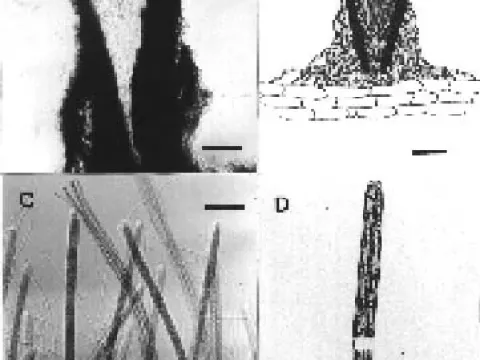
Glyphium elatum
Glyphium elatum
The causal agent of this condition is the fungus Glyphium elatum, a member of the order Patellariales. It primarily functions as a saprotroph but can demonstrate parasitic behavior under stress conditions for the host plant.
What the section contains
Glyphium elatum
The fungus is characterized by its distinct reproductive structures, known as apothecia, which appear as elongated, black, slit-like formations on the surface of the bark.
Its biological cycle is largely dependent on the colonization of dead or weakened plant tissues, which serve as a nutritional base for its mycelial growth.
Spore dispersal occurs primarily through atmospheric circulation, allowing the pathogen to move between trees within a forest or orchard setting.
The fungus maintains its presence within the ecosystem by surviving on woody debris and coarse forest litter for extended periods until a suitable host is found.
The most visible indicator of infection is the presence of characteristic black, slit-like fruiting bodies clustered on the stems or branches.
The bark area immediately surrounding these structures may show signs of necrosis, including discoloration, browning, or a dry, cracked appearance.
As the mycelium colonizes the inner bark, the affected tissue may lose its structural integrity and become loose or prone to peeling away.
In severe cases, the infected branches may experience premature dieback, leading to a visible decline in the health of the tree's canopy.
Detection using a magnifying glass reveals the specific arrangement and morphology of the apothecia, distinguishing Glyphium elatum from other common bark-inhabiting fungi.
High relative humidity and prolonged periods of wet weather are the primary drivers for the rapid development and sporulation of this fungal species.
Trees that are already compromised by environmental stress, such as drought, nutrient deficiency, or prior damage, show the highest susceptibility to colonization.
Dense, poorly managed planting sites facilitate the spread of spores, as the stagnant microclimate prevents rapid drying of the bark surfaces.
Physical injuries to the bark, caused by machinery, pruning tools, or pests, act as entry points for the pathogen to establish itself within the host.
A high accumulation of leaf litter and dead wood in the immediate vicinity creates a reservoir for the fungus to persist and re-infect healthy trees.
The primary damage results from the physical disruption of the bark, which interferes with the tree's ability to transport water and essential nutrients effectively.
Chronic infections weaken the overall vigor of the tree, leading to reduced growth rates and an increased vulnerability to secondary pests and pathogens.
The degradation of woody tissue caused by the fungus decreases the structural strength of the stems, making the trees more susceptible to wind damage.
In commercial forestry, the disease can lead to a significant decline in wood quality, rendering the harvested timber unsuitable for high-value applications.
Aesthetic decline is a major issue in urban planting, where ornamental trees may need to be removed if the fungal colonization becomes extensive.
Effective management begins with strict sanitation practices, including the removal and destruction of all infected branch material from the site.
Ensuring proper tree health through adequate fertilization and irrigation helps trees build natural resistance against minor infections.
Pruning should be performed carefully during dry weather to avoid creating fresh wounds that are prone to fungal infection during wet periods.
Applying protective fungicides to pruning wounds can help prevent the colonization of Glyphium elatum and other bark-invading organisms.
Regular monitoring and thinning of dense stands are recommended to promote air circulation and reduce the humidity levels that favor fungal growth.