
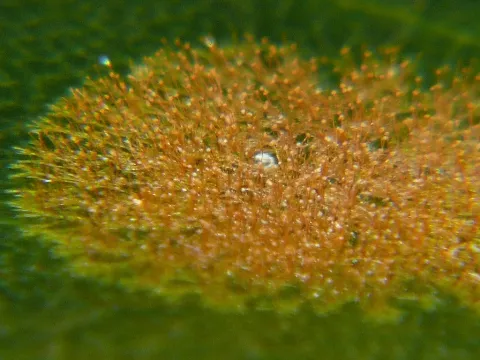
Gloeodinium
Gloeodinium
Gloeodinium is a genus of dinoflagellate algae that can occasionally act as an opportunistic pathogen or competitor in various aquatic environments.
What the section contains
Gloeodinium
This organism is characterized by its ability to exist in different stages, including immobile palmelloid colonies encapsulated in thick mucilage.
Biologically, it is recognized for its mixotrophic potential, allowing it to survive in fluctuating light conditions while impacting local plant growth.
In terms of agricultural significance, it is often grouped with nuisance algae that interfere with the normal development of submerged or floating aquatic crops.
Research into the genus highlights its complex life cycle, which makes traditional chemical control methods challenging to apply without impacting the host plants.
The primary symptom of infection is the development of a thick, gelatinous or slimy film covering the leaves and stems of the affected aquatic plants.
Plants often exhibit signs of physiological stress, including stunted growth and a significant reduction in photosynthetic rate due to the blocking of sunlight.
Microscopic examination of the mucus layer reveals the presence of typical rounded cells belonging to the Gloeodinium genus, often embedded in an extracellular matrix.
Affected tissues may turn pale or necrotic as the mucilage inhibits necessary gas exchange, leading to a slow decline in plant health.
- visible slimy layers on aquatic leaves;
- reduced turgor pressure in vegetation;
- impaired growth and leaf deformation.
Growth is strongly correlated with eutrophic conditions where nitrogen and phosphorus levels exceed the required balance for healthy aquatic plant growth.
Warm water temperatures facilitate rapid cell division, making stagnant water bodies highly susceptible to colonization by this algal genus.
Poor water circulation or limited turnover creates the ideal stable environment for the accumulation of these mucilaginous colonies.
Increased light intensity provides the necessary energy for the photosynthesis-dependent stages of the organism to proliferate rapidly.
High organic matter content in the substrate or water column serves as a supplementary nutrient source, enhancing the competitive advantage of the algae.
The main harm inflicted by these algae is the physical inhibition of plant respiration and gas exchange, caused by the coating of vegetation.
Furthermore, the organism acts as a strong competitor for dissolved nutrients, effectively starving the cultural aquatic plants in the immediate vicinity.
The secretion of metabolic byproducts into the water can alter the local pH and nutrient availability, creating a hostile micro-environment for sensitive plants.
When colonies reach significant density, they deplete local oxygen supplies, which can lead to root system decay and secondary bacterial infections.
The aesthetic and commercial value of aquatic crops is severely degraded by the persistent slime, making manual cleaning labor-intensive and risky.
Implementing strict nutrient management programs is essential to prevent the eutrophication that triggers rapid algal proliferation.
Mechanical aeration and the installation of water circulation systems prevent the settlement of cells on plant surfaces and disrupt colony formation.
Regular maintenance, including the removal of dead organic matter, is crucial to lower the carrying capacity of the water for such nuisance organisms.
Where necessary, the use of targeted biological algaecides can be employed, provided they are safe for the specific aquatic species being cultivated.
Regulating light exposure and providing artificial shade during peak intensity hours can help suppress the photosynthetic activity of the algae.