
Earthtongue
Geoglossum simile
Geoglossum simile, commonly known as a type of earthtongue fungus, is an ascomycete that thrives in diverse soil environments. While primarily a saprotroph, it interacts with the soil microbiome and can influence plant health in agricultural fields.
What the section contains
Earthtongue
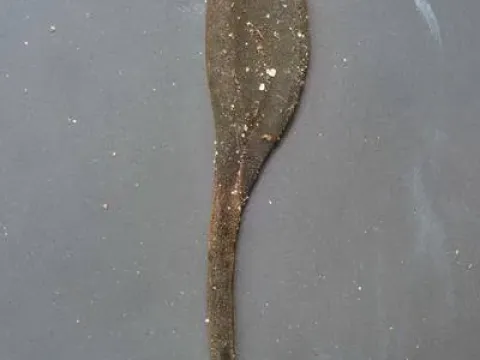
The fungus produces distinct black, club-shaped fruiting bodies. Its life cycle involves spore production which allows for dispersal across field sites during moisture-rich periods.
The vegetative mycelium spreads through the soil, consuming organic matter. In some instances, it may colonize the rhizosphere, altering the nutrient balance available to crop roots.
The fungus is a member of the Geoglossaceae family and plays a specific role in the decomposition chain of organic residues in temperate climates.
Scientific interest in this fungus stems from its ability to persist in the soil profile for several years, depending on the availability of organic material and soil pH levels.
High moisture levels and poor soil drainage are the primary conditions that trigger the proliferation of Geoglossum simile.
The fungus prefers acidic soil conditions where organic matter has not been fully mineralized, providing a steady food source.
A mild temperature range of 15°C to 22°C promotes the rapid extension of the fungal network within the upper horizons of the soil.
Reduced tillage practices can lead to an accumulation of plant residues on the surface, which creates an optimal habitat for this species to thrive.
Periods of prolonged rain followed by mild temperatures often lead to the development of noticeable fruiting bodies on the surface of the soil.
The harm caused by this fungus in an agricultural context is largely linked to its competition with plants for essential soil nutrients and water.
By occupying the rhizosphere, the fungus can impede the growth of beneficial microorganisms, such as mycorrhizae, which are vital for root development.
Metabolic products released by the fungus may cause stress to young seedlings, leading to reduced vigor and stunted growth.
In cases of high infestation, the overall yield can be impacted due to the reduced ability of plants to absorb minerals efficiently from the soil.
The persistent nature of the fungus means that it can degrade soil quality over multiple growing seasons if not managed appropriately.
Improving soil aeration through regular tillage and removing excess plant debris is crucial for limiting the growth of the fungus.
Adjusting soil pH by liming acidic soils effectively makes the environment less hospitable to Geoglossum simile.
Implementing a balanced crop rotation system helps to break the life cycle of the fungus and restore a healthy microbial balance in the soil.
Effective water management, including the installation of field drainage systems, prevents the excessive moisture needed for the fungus to spread.
In severe instances, the application of targeted soil fungicides can help manage the populations of pathogenic fungi in the field.