
Geoglossum
Geoglossum
The genus Geoglossum comprises a group of fungi belonging to the Ascomycota division, known scientifically as saprotrophs that decompose organic matter rather than plant pathogens.
What the section contains
Geoglossum
Unlike parasitic fungi that cause crop diseases, Geoglossum species thrive by breaking down dead plant material and organic debris within the soil layer.
There is no evidence in agricultural literature to classify Geoglossum as a disease-causing agent for cultivated plants, as their biological niche is limited to soil surface decomposition.
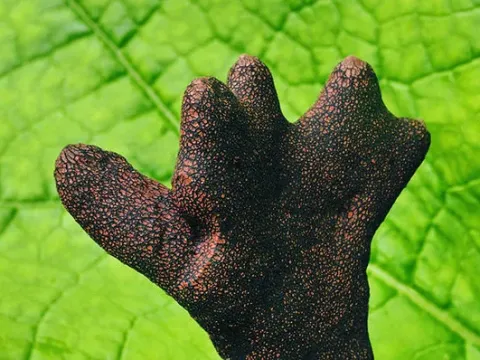
The morphology of these fungi is characterized by club-shaped or tongue-like ascocarps, which are usually black or dark brown in color, emerging from the ground.
In modern agricultural practice, the presence of these fungi is often considered a sign of healthy soil biological activity and organic turnover rather than a threat to production.
Geoglossum fungi require specific environmental conditions for the development of their fruiting bodies, primarily favoring moist and undisturbed soil habitats.
High humidity levels and cool temperatures are essential for the maturation of their spores, which typically occurs during wet seasons or in shaded, damp locations.
The substrate preference for these fungi includes humus-rich soils or areas with significant accumulations of decaying organic matter, such as leaf litter in forests.
Intensive tillage and the extensive use of agricultural chemicals often create an environment unfavorable for the growth of Geoglossum, as these practices alter soil structure.
Maintaining a balanced soil ecosystem with natural organic matter is key for the existence of such beneficial soil fungi, which are integral to the nutrient cycling process.