
Geopyxis carbonaria
Geopyxis carbonaria
Description
Pathogen
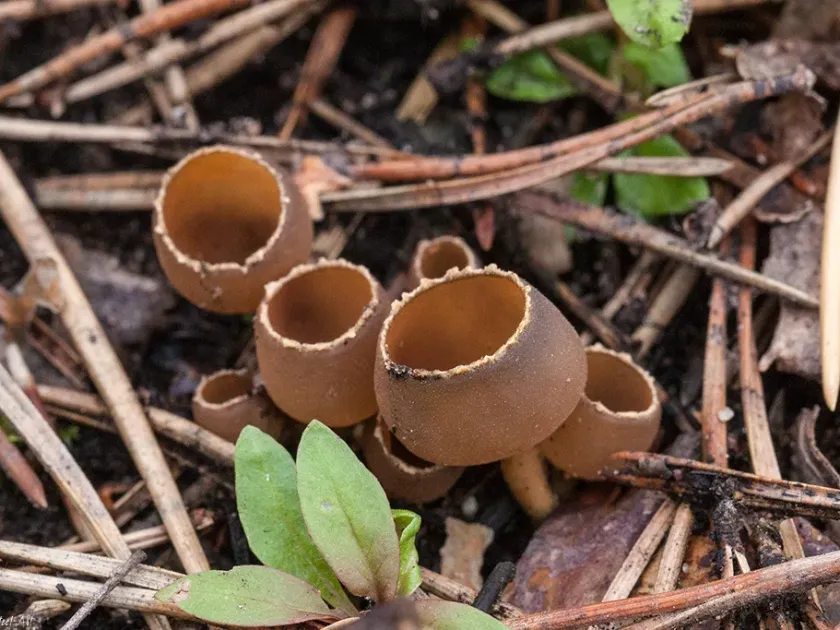
Geopyxis carbonaria is a cup fungus belonging to the Pyronemataceae family. It is a carbonicolous (carbon-loving) species known for its specific ability to colonize sites impacted by fire or intense heat.
The organism is not a primary pathogen of crops. It acts as a specialized saprotroph that utilizes the carbonized material (charcoal) and nutrients released during the incomplete combustion of woody debris.
The fruiting bodies are small, cup-shaped, and usually orange-brown in color. They emerge primarily during the wet seasons, appearing in clusters on burnt soil, ash, or charcoal-rich substrates.
Biologically, it is a pioneer species. It colonizes the harsh environment of a burn site faster than most other organisms, helping to break down carbonaceous material and initiate soil stabilization.
While often misidentified as a plant disease agent by amateurs, it is essentially a diagnostic sign of previous fire activity rather than an aggressive threat to healthy vegetation.
Conditions for development
The development of Geopyxis carbonaria is strictly dependent on the presence of charcoal or partially burnt organic matter. This specific chemical environment is mandatory for spore germination.
High moisture levels are required for the growth of fruiting bodies. Consequently, the most visible proliferation occurs after prolonged autumn or spring rains, which activate the mycelium in the upper soil layers.
The spores are dispersed by wind and can remain dormant in the soil for extended periods until they encounter the correct substrate. The pH of the substrate is typically alkaline due to wood ash, which prevents competition from acid-loving soil microflora.
Temperature fluctuations between 10°C and 20°C are optimal for the production of visible apothecia. Severe drought inhibits the formation of these structures, causing the fungus to remain in its vegetative mycelial phase.
Distribution is most intense in areas where pile burning or slash burning has occurred, providing a continuous supply of charcoal for the fungal network to expand.
Why it matters
The fungus itself does not infect plants, but its mass presence indicates an unfavorable soil condition for seedling survival. In forest nurseries, the buildup of mycelium can interfere with root development.
Physical obstruction is the main issue. Dense mycelial mats can hinder gas exchange around the root collar of sensitive seedlings, leading to reduced vitality and yellowing of the foliage.
The chemistry of the soil in these spots—high pH and high carbon content—often causes nutrient imbalances (specifically, iron or manganese deficiency) in sensitive crop species.
Its presence is often a sign of poor land preparation practices. Relying on fire to clear agricultural land often leads to uneven growth patterns in subsequent crops due to these localized pockets of carbonaceous substrate.
- Reduced aeration in the rhizosphere.
- Localized nutrient deficiency due to ash concentration.
- Increased risk of competition with seedlings for water during establishment.
Protection
The primary control measure is the removal of debris rather than burning it on-site. Avoiding the creation of ash patches is the best way to prevent the colonization of the soil by this fungus.
If fire sites must be used for planting, deep tillage is required to incorporate the charred material into the bulk soil, thereby diluting the concentration of charcoal and ash.
Biological soil amendments, particularly those containing Trichoderma species, are effective at outcompeting carbonicolous fungi and accelerating the decomposition of the wood charcoal.
Monitoring and managing soil pH is essential. Applying acidifying fertilizers helps restore the chemical balance of the soil in areas previously affected by fire, making it less suitable for Geopyxis carbonaria.
Improving soil organic matter content through composting helps stabilize the soil structure and creates a more balanced microflora, which suppresses the dominance of pioneer fire-dependent fungi.
Discussion
No discussions yet — be the first.