
Geopyxis
Geopyxis
Geopyxis is a genus of fungi within the Pyronemataceae family, characterized by cup-shaped fruiting bodies. These fungi are primarily saprotrophic, though they can exist in close association with plant root systems.
What the section contains
Geopyxis
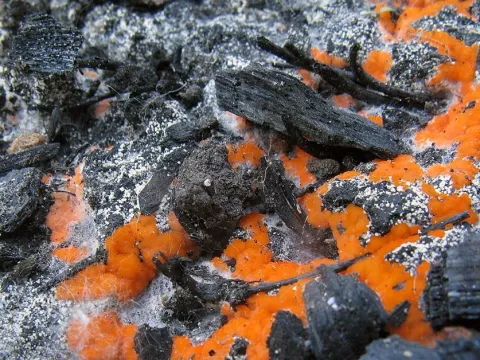
The morphology of Geopyxis includes distinctive small, orange-to-yellow cups. These structures serve as the primary indicator for presence in the forest floor and agricultural fields.
The mycelium of this fungus spreads through the soil, utilizing decaying organic matter as its primary nutritional base. It adapts quickly to changes in soil composition and nutrient availability.
Spore dispersal is the primary mechanism of spread, facilitated by wind and water splash during rainy seasons. This efficiency allows for rapid colonization of suitable habitats.
While often found on dead wood, the fungus can impact live vegetation when environmental stress or root injuries occur, making its biological behavior diverse and ecologically significant.
High soil moisture is the most critical factor for the growth of Geopyxis. The fungus thrives in damp, shaded environments where moisture persists for extended periods.
Decaying wood and dense leaf litter provide the necessary substrate for Geopyxis development. The presence of these organic materials creates ideal conditions for mycelial expansion.
Optimal temperatures for active fungal metabolism typically range from 12°C to 20°C. Outside this range, the fungus often remains in a dormant state until favorable conditions return.
Soil structure, specifically high compaction, can influence the distribution of the fungus. However, it is most common in forest soils with high organic content and slightly acidic pH levels.
Disturbed habitats, such as sites after logging or soil cultivation, often exhibit increased Geopyxis activity due to the availability of fresh organic debris.
Geopyxis can suppress seedling growth by occupying the rhizosphere and competing for essential nutrients. This reduces the vigor of young plants during their most vulnerable stage.
Root system damage from fungal colonizers leads to decreased water uptake efficiency. Plants may exhibit symptoms of chlorosis or stunted development as a result of nutrient deficiencies.
In nurseries, the presence of Geopyxis can reduce the overall quality of stock. This makes plants less competitive when transplanted into harsher field environments.
The fungal mycelium can alter the soil microbial community, potentially inhibiting beneficial mycorrhizal fungi. This ecological shift affects long-term plant health.
Though rarely causing total mortality, the cumulative stress from Geopyxis makes plants more susceptible to secondary pathogenic attacks and environmental stressors.
Sanitation is the first line of defense; removing dead wood and organic debris reduces the potential food source for the fungus. This prevents large-scale colonization.
Improving soil drainage is essential to eliminate the moisture conditions favored by Geopyxis. Proper site preparation before planting can mitigate future risks significantly.
Biological control using antagonistic organisms, such as Trichoderma species, helps suppress Geopyxis populations in the soil naturally. This is a sustainable approach for plant protection.
Regular monitoring of the soil and plant root condition allows for early intervention. Removing localized clusters of fruiting bodies helps minimize spore production.
Implementing proper soil management practices, including the maintenance of healthy pH levels and aeration, creates an environment less conducive to fungal outbreaks.