
Geopora
Geopora
Description
Symptoms
The primary visual symptoms of Geopora infection include stunted growth, general chlorosis of the foliage, and a noticeable loss of turgor in the plants. Infected seedlings often appear dull and fail to thrive even under standard watering regimens.
Root system examination reveals blackened, brittle, or necrotic roots. The natural white tips of the roots disappear, being replaced by a dark, rotting tissue that indicates the pathogen's destructive activity on the vascular system of the plant.
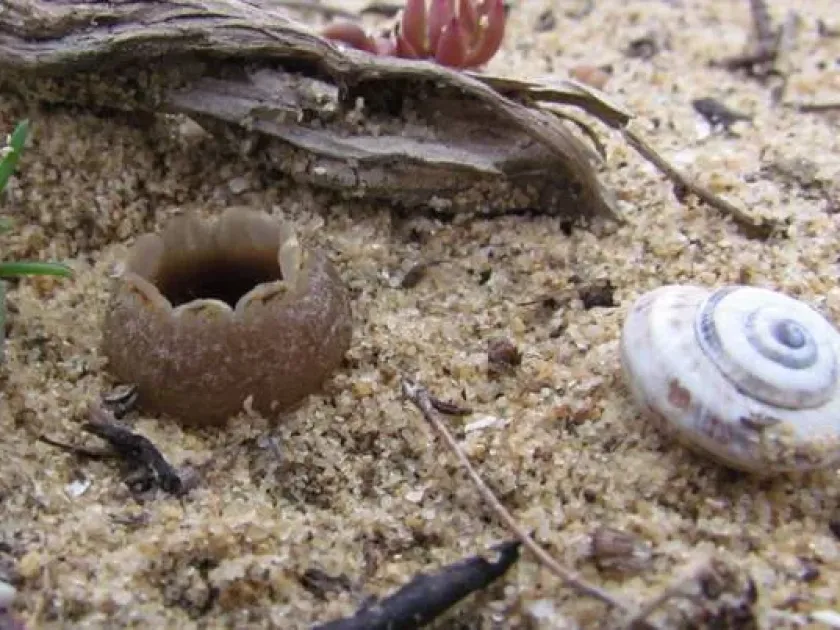
The formation of small, hairy, brown cup-shaped fruiting bodies (apothecia) on the soil surface is a clear sign of an advanced infection. These bodies release spores that can quickly disseminate throughout a greenhouse via irrigation water.
In coniferous species, the disease manifests as rapid yellowing and premature needle drop, often starting at the lower branches. This is caused by the compromised root system's inability to support the upper growth, leading to gradual plant decline.
The soil surrounding infected plants may exhibit a distinct musty or earthy odor. The texture of the soil often becomes compacted and clumpy due to the pervasive development of the fungal hyphae, which bind soil particles together.
Pathogen
Geopora is a genus of fungi belonging to the Pyronemataceae family. In agricultural and forestry practice, it is often identified as a facultative pathogen that transitions from a saprotrophic lifestyle to attacking plant roots when their defense mechanisms are weakened.
The fungus propagates through a vegetative mycelium that colonizes the soil substrate and produces apothecia, which are cup-shaped or goblet-shaped fruiting bodies. These bodies are frequently found partially buried in soil or mulch, making early detection difficult.
While some members of the genus can form mycorrhizal relationships, under stress or in poorly ventilated greenhouse conditions, Geopora can become aggressive. It secretes enzymes that break down root tissues, thereby impairing the plant's ability to absorb water and essential nutrients.
The life cycle of the pathogen is closely tied to the presence of organic matter in the soil. It exploits decaying plant debris as a primary food source, which allows it to maintain a stable population within nursery containers before spreading to living roots.
Identification of the pathogen involves laboratory analysis of soil samples or microscopic examination of the root system. The presence of dense, white to grey mycelial networks around the roots is a strong diagnostic indicator of infection.
Conditions for development
Excessive soil moisture is the primary condition promoting the development of Geopora. Poor aeration in containerized substrates creates anaerobic pockets that favor the growth of the fungus over the plant roots.
The presence of uncomposted or poorly processed organic matter, such as high-peat mixtures or bark chips, provides a perfect nutritional medium. A slightly acidic to neutral pH is generally preferred by the fungus for optimal growth.
High humidity and poor air circulation in nursery settings facilitate the spread of spores. When plants are crowded, the moisture trapped between foliage and within the containers acts as a bridge for the infection to travel between individual seedlings.
Temperature fluctuations, particularly in the range of 15°C to 22°C (59°F - 72°F), stimulate rapid fungal expansion. During these periods, the pathogen is most likely to move from a saprotrophic phase to an active parasitic phase.
Weakened plant immunity, caused by light deficiency or improper fertilization, significantly increases susceptibility. Plants struggling with nutrient imbalances or environmental stress lack the metabolic energy to resist the fungal colonization of their roots.
Why it matters
The most significant impact of Geopora is the destruction of young seedlings in nursery environments. This causes heavy losses in planting material, leading to substantial economic impact for commercial growers and forestry operations.
The damage to the root system is often irreversible. Even if treated, the physiological damage to the plant's vascular tissue renders it unfit for transplantation into outdoor environments, as it will likely struggle to establish itself.
Because the fungus is easily spread through irrigation systems, an initial localized infection can quickly reach epidemic proportions in a greenhouse. This necessitates the culling of entire batches of plants, leading to wasted labor and resources.
The longevity of the fungus in substrate means that contaminated equipment and containers can harbor the infection for future seasons. This forces growers to implement costly sanitation protocols to ensure the health of subsequent crops.
Root damage also makes plants highly vulnerable to secondary infections, including opportunistic soil bacteria. These complex infections are extremely difficult to manage and often necessitate the complete replacement of the growing media.
Protection
Effective control starts with strict hygiene practices. Using high-quality, pre-sterilized substrates is the most efficient way to prevent the initial introduction of Geopora into the growing environment.
Optimizing the drainage system in containers is essential. By ensuring that irrigation does not lead to waterlogging, growers can create an aerobic environment that is unfavorable for the development of fungal hyphae.
Biological control agents, particularly beneficial fungi such as Trichoderma species, have shown promise in outcompeting Geopora for space and nutrients in the soil, effectively suppressing the pathogen.
- Regular inspection of root systems for early signs of mycelial growth.
- Prompt removal and disposal of any infected plants to prevent spore spread.
- Thermal sterilization of tools and reusable containers.
- Adherence to appropriate spacing to allow for adequate ventilation.
If chemical intervention is required, systemic fungicides may be used according to local regulations. It is critical to rotate active ingredients to prevent the fungus from developing resistance, ensuring long-term control.
Discussion
No discussions yet — be the first.