
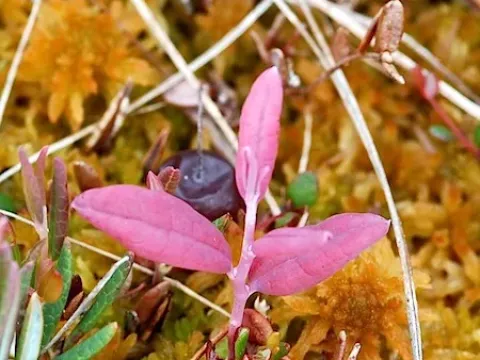
Andromeda leaf gall
Exobasidium expansum
The primary symptom of this fungal infection in Andromeda is the development of abnormal swellings on leaves and young shoots.
What the section contains
Andromeda leaf gall
These deformations appear as raised spots on the leaf surface, often changing color from light green to pink or deep red.
During the pathogen's sporulation phase, a powdery white fungal mass becomes visible on the underside of the affected foliage.
Severe infestations lead to premature leaf drop and the twisting of new stems, which significantly detracts from the plant's aesthetic value.
The plant appears stressed and stunted, and without intervention, the disease can quickly spread throughout the entire shrub canopy.
The causative agent of this disease is the microscopic fungus Exobasidium expansum, classified within the Basidiomycota.
This pathogen acts as a specialized parasite, targeting primarily plants belonging to the Ericaceae family, including Andromeda.
The fungus colonizes the internal plant tissues, drawing essential nutrients from the host to support its own mycelial growth.
The fungus's life cycle is tightly synchronized with the host plant's growth phases, targeting young and tender tissue.
Spores are easily dispersed by wind and splashing water, allowing the disease to propagate to healthy parts of the plant or nearby shrubs.
Favorable conditions for the development of the disease include high atmospheric humidity and mild, warm temperatures during spring.
Overcrowded plantings that lack proper air circulation provide a stagnant environment where fungal spores can germinate easily.
Prolonged foggy periods, heavy dew, or frequent rains at the beginning of the growing season greatly escalate the risk of infection.
Plants weakened by incorrect soil pH levels are significantly more susceptible to pathogen attack than healthy, well-nourished specimens.
Poor soil drainage and excessive overhead irrigation further encourage the persistence of the fungus within the garden environment.
The most significant impact of Andromeda leaf gall is the loss of decorative quality, which is crucial for ornamental horticulture.
The deformity of leaves and shoots disrupts vital physiological functions, especially photosynthesis, leading to reduced plant vigor.
Affected tissues become highly susceptible to secondary bacterial pathogens that can further compromise the health of the plant.
Chronic infections lead to long-term decline, poor flowering, and reduced ability of the plant to survive harsh winter conditions.
In nursery settings, the spread of this fungus leads to the loss of stock and can result in substantial economic damage.
Management starts with rigorous prevention, including routine inspections and the prompt removal of all symptomatic plant parts.
All infected materials must be burned or disposed of safely to eliminate sources of fungal spores and prevent environmental spread.
Implementing proper cultural practices, such as spacing plants to ensure good airflow, is essential for disease suppression.
Applying copper-based fungicides early in the spring, before bud break, can provide an effective barrier against the pathogen.
- Regular application of copper oxychloride or similar fungicides.
- Ensuring proper soil acidity levels suitable for Ericaceae plants.
- Avoidance of overhead watering to keep foliage dry.
- Sanitary pruning to increase crown airflow and reduce humidity.