
Anamylopsora pulcherrima
Anamylopsora pulcherrima
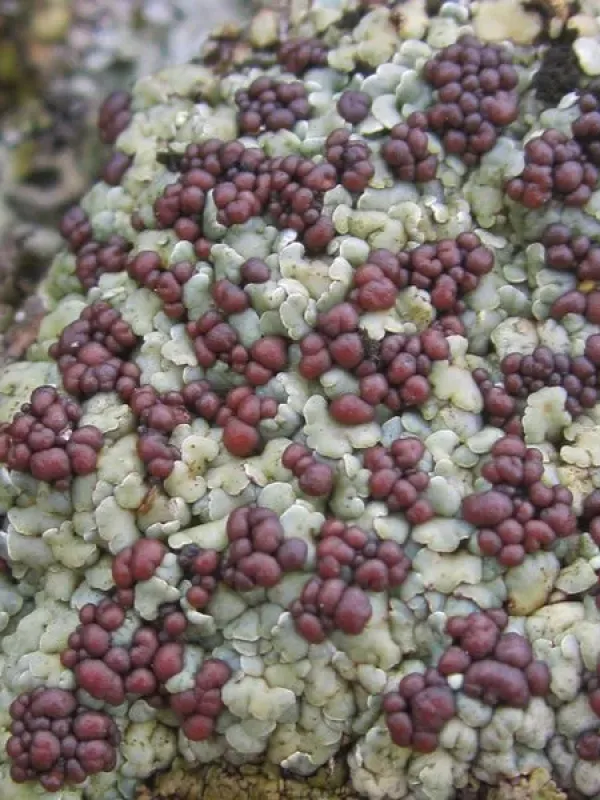
Description
Pathogen
Anamylopsora pulcherrima is a recognized species of lichenized fungi belonging to the family Trapeliaceae. It is important to emphasize that this organism is not a pathogen of agricultural crops, but rather a symbiotic lichen component.
The organism functions through a mutualistic association between a fungal mycobiont and a photobiont, typically green algae. This partnership allows the organism to survive in nutrient-poor environments where photosynthesis is the primary source of energy.
The morphology of this species is characterized by specific fruiting bodies known as apothecia. Mycologists use these microscopic structures and spore characteristics to classify the organism within the Anamylopsora genus.
Unlike parasitic fungi that cause plant diseases, Anamylopsora pulcherrima lacks specialized structures to infiltrate or decay host tissues. Its life cycle is entirely adapted to a stable lichenized lifestyle on stable substrates.
From an agricultural standpoint, this organism holds no economic impact. It does not cause diseases, wilting, or necrotic spots on crops, and its presence is generally restricted to undisturbed natural environments.
Conditions for development
Environmental requirements for Anamylopsora pulcherrima are strictly tied to clean air and consistent substrate stability. Lichens of this type are highly sensitive to sulfur dioxide and other industrial pollutants, serving as bioindicators.
The growth rate of the lichen is typically very slow, requiring long periods of favorable climatic conditions. Humidity and temperature play critical roles in regulating the metabolic activity of the algal component.
Substrate preference includes natural surfaces such as tree bark or rocky areas, where the competition with fast-growing mosses or higher plants is limited. It favors microclimates with moderate light exposure.
Reproductive success depends on the efficient dispersal of spores by wind. Upon landing on a suitable substrate, the fungus must encounter a compatible algae species to re-establish the lichenized state, which is a limiting step in its colonization.
Intensive agricultural management, which involves soil cultivation and the widespread use of fungicides, makes the habitat unsuitable for the growth and survival of these sensitive lichenized fungi.
Discussion
No discussions yet — be the first.