
Andromeda leaf spot
Rhytisma andromedae
Description
Symptoms
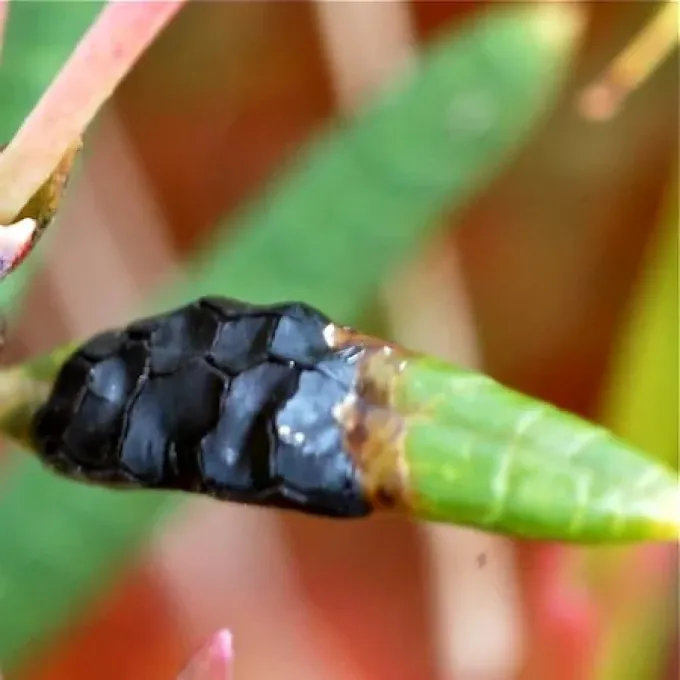
The primary symptom of the disease is the development of circular, pale yellow spots on the upper surface of the leaves. As the pathogen matures, these spots turn dark and eventually become black and shiny.
In the center of these black spots, the fungus develops stromata, which appear as raised, thickened structures. This dark, tar-like appearance gives the disease its common name, often referred to as a tar spot fungus.
In autumn, infected leaves may show chlorosis and drop prematurely. This premature senescence is a clear sign that the fungal infection has significantly disrupted the leaf's normal physiology.
The lower surface of the leaf, corresponding to the blackened areas above, usually remains pale. The contrast between the upper black patches and the lower discoloration is a diagnostic feature of this condition.
When the infection is severe, these spots can coalesce, covering large parts of the leaf surface. This causes severe curling and deformity of the leaves, hindering the overall growth of the plant.
Pathogen
The causative agent is Rhytisma andromedae, a species of ascomycete fungus. It is a highly specialized parasite that primarily targets plants in the Ericaceae family, particularly the genus Andromeda.
The fungal life cycle is closely linked to overwintering on fallen foliage. During the spring, fruiting bodies called apothecia develop within the black stromata, releasing spores to infect new leaves.
Infection occurs when spores land on susceptible leaves during damp periods. The germ tubes penetrate the leaf tissue, establishing a parasitic relationship that persists throughout the growing season.
The fungus grows slowly inside the host tissue. The characteristic black spots are not fully formed until late in the summer, representing the final stages of the fungus's reproductive development for that year.
The pathogen relies on infected leaf litter to survive the winter months. Because it is host-specific, it typically thrives in environments where Andromeda plants are cultivated in groups or near natural habitats.
Conditions for development
High humidity and moisture are the most critical factors for the development and spread of Andromeda leaf spot. The fungus thrives in shaded, damp locations where airflow is restricted.
Frequent rainfall or persistent dew in spring and early summer provides the necessary moisture for spore germination. Plants located in poorly drained soils are more susceptible to this fungal stress.
Poor circulation within the canopy of the plant creates a microclimate that traps moisture, promoting fungal growth. Dense planting or lack of pruning increases the likelihood of an outbreak.
A cool, wet spring is particularly conducive to the infection process. Conversely, hot and dry weather may slow the progression of the disease but will not eliminate the existing fungal stromata.
Proximity to old, uncleared leaf debris from previous seasons is the most common condition that facilitates new infections each year. Cleanliness in the garden is essential to prevent re-infection.
Why it matters
The main harm caused by this fungus is the loss of aesthetic value. Because Andromeda is primarily grown as an ornamental shrub, heavily spotted leaves significantly detract from its beauty.
Infection interferes with photosynthesis, reducing the amount of carbohydrates the plant can produce. Over time, this leads to reduced plant vigor, stunted growth, and a decrease in flower production.
Premature leaf drop acts as a drain on the plant's resources. If the plant loses its leaves before the end of the growing season, it enters winter in a weakened state, increasing winter injury risk.
Persistent infections year after year can weaken the shrub's immune system, making it more vulnerable to secondary pests and other pathogens that target stressed ornamental plants.
In nursery settings, this disease results in economic losses, as infected plants may be rejected by customers or require expensive chemical treatments to be made marketable again.
Protection
The most effective strategy is sanitation. By removing and destroying fallen leaves in late autumn, you eliminate the primary overwintering source of the fungus, drastically reducing the next year's infection.
Applying preventative copper-based fungicides or appropriate systemics in early spring, as buds begin to swell, can protect new foliage from initial spore infection during critical periods.
Pruning your Andromeda shrubs to increase airflow and sunlight penetration can help dry out the leaves faster, creating an environment that is less favorable for fungal development.
Avoid overhead irrigation, as this keeps the leaf surfaces wet and promotes the spread of spores. If watering is necessary, direct the water toward the soil, keeping the foliage dry.
- Regularly monitor the shrub for the appearance of yellow spots.
- Hand-pick and destroy any early-stage infected leaves to stop spread.
- Ensure adequate spacing between plants to improve air circulation.
- Use mulch to create a barrier between the soil and the plant's lower branches.
Discussion
No discussions yet — be the first.