
Erythrogloeaceae
Erythrogloeaceae
The Erythrogloeaceae family consists of ascomycetous fungi classified as obligate or facultative parasites of woody plants. The primary agents within this taxon are fungi of the Erythrogloeum genus.
What the section contains
Erythrogloeaceae
These microscopic pathogens belong to the Helotiales order. They specialize in infecting living leaf and stem tissues, triggering specific necrotic alterations.
The pathogen's biology is tightly linked to the host's life cycle, with the fungus frequently forming fruiting bodies directly within the plant's epidermal tissues.
Spread is mainly facilitated by conidia, which are dispersed by wind or rain splashes during the active vegetative season.
The fungus is capable of maintaining viability in fallen leaves, making plant debris the primary source of infection in subsequent seasons.
The primary sign of Erythrogloeaceae infection is the appearance of local spots on leaf blades. These typically display a characteristic reddish or rusty hue.
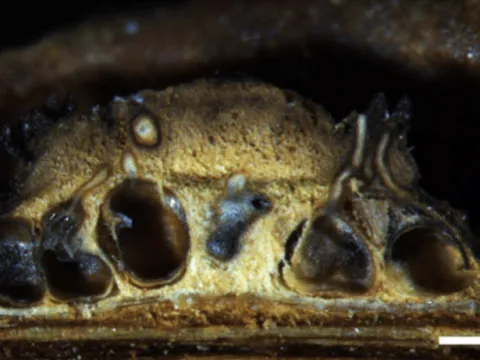
Over time, fungal fruiting bodies (acervuli) form on the surface of the affected areas, appearing as minute dark dots or protrusions.
As the disease progresses, premature yellowing and leaf shedding occur, which significantly weakens the tree's metabolic processes.
In high humidity, a chlorotic zone may appear around the spots, indicating the release of toxins by the pathogen into the plant tissues.
Severe infestation leads to deformation of the leaf blade and early defoliation, which visually distinguishes infected specimens from healthy vegetation.
Disease development is most active under conditions of high air humidity, especially during prolonged rainfall or heavy morning dew.
The optimal temperature range for the germination of Erythrogloeaceae spores is between 18 and 24 degrees Celsius.
Dense, poorly ventilated stands facilitate moisture accumulation in the canopy, creating an ideal microenvironment for pathogen spread.
Plants weakened by stress factors, such as drought or pest damage, become more susceptible to fungal infection.
The infectious background increases significantly if fallen leaves are not promptly removed and disposed of, as the fungus undergoes its dormant stage therein.
The main danger of Erythrogloeaceae lies in the disruption of photosynthesis, leading to a decrease in overall tree biomass production.
Severe infection levels can lead to the wilting of individual branches and loss of ornamental value, which is critical for park and forest species.
Constant leaf loss over several consecutive seasons sharply reduces the plant's cold hardiness, making it vulnerable to low temperatures.
In young trees, the disease can provoke a slowdown in shoot growth, which negatively impacts future timber quality.
The spread of infection in nurseries can cause significant economic damage, requiring the culling of affected plant stock.
The most important agrotechnical control method is the thorough collection and burning of fallen leaves in autumn to eliminate the primary inoculum.
To prevent disease spread, it is recommended to perform crown thinning and adhere to optimal tree planting densities.
The use of copper-based fungicides or systemic agents is effective during the early stages of infection development at bud break.
It is essential to maintain high agricultural standards, including the application of balanced fertilizers to boost the plant's natural immunity.
- Preventive spraying at the start of the season.
- Sanitary pruning of affected branches.
- Crop rotation in nursery settings.