
Euantennaria
Euantennaria
Description
Symptoms
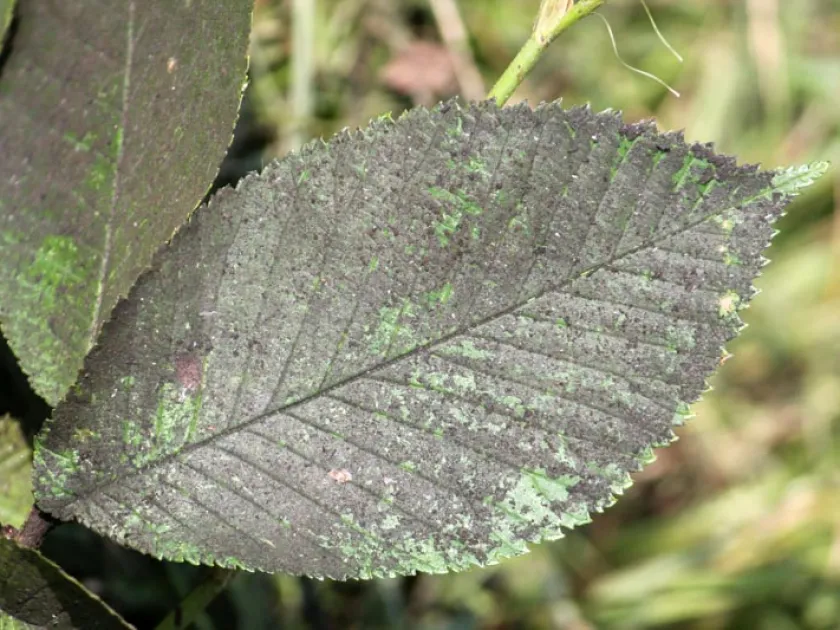
The primary symptom of Euantennaria infection is the appearance of a dark, soot-like coating on leaves, petioles, and young stems. This substance is often black or dark brown and can range in texture.
Initially, the fungus appears as isolated spots or patches. As the infection progresses, these patches expand and coalesce, potentially covering the entire surface of the leaf in a thick, velvety layer.
Unlike powdery mildew, which presents as a light, dusty covering, the sooty mold of Euantennaria is distinctively dark, non-powdery, and firmly attached to the plant surface.
Heavily infected leaves may exhibit chlorosis, curling, or premature senescence. Because the fungal mat blocks light, the plant's natural photosynthetic efficiency is severely compromised, leading to visible growth stagnation.
Careful inspection will often reveal the presence of the honeydew-producing insects in close proximity to the fungal growth, confirming the association between the pests and the resulting mold.
Pathogen
Euantennaria is a genus of fungi within the class Dothideomycetes. These fungi are classified as sooty molds that colonize the surface of plant tissues, typically residing on the epidermis without directly invading the interior cells of the host.
The pathogen thrives by feeding on the honeydew—a sugary, sticky substance excreted by sap-sucking insects such as aphids, scale insects, and whiteflies. Thus, the presence of these insects is a biological prerequisite for the growth of the fungus.
The biology of Euantennaria is characterized by the formation of dense, dark-colored mycelial mats. These fungal networks grow superficially, firmly anchoring themselves to leaves and stems enriched by the nutritious honeydew layer.
Propagation occurs through spores dispersed by wind, splashing rain, or insect vectors. Once these spores land on a substrate covered in honeydew, they germinate rapidly to colonize new plant surfaces.
Although Euantennaria does not act as a primary parasite, its ability to quickly cover large surfaces makes it a prominent indicator of heavy pest infestation, signaling that the plant is under stress from multiple factors.
Conditions for development
The development of Euantennaria is strictly dependent on the availability of insect honeydew. Without the carbohydrate-rich substrate provided by aphids or other pests, the fungus cannot thrive on the leaf surface.
High relative humidity is the second critical factor. Environments that maintain moisture on plant surfaces—such as dense canopies with poor airflow or regions with frequent rainfall—significantly accelerate spore germination.
The fungus operates optimally within moderate temperature ranges, typically between 18°C and 25°C. However, it is quite resilient and can persist under a variety of climatic conditions once established.
Poor horticultural practices, specifically high planting density without adequate pruning, create a microclimate that traps humidity and encourages the rapid spread of the mold throughout the planting.
Environmental debris, such as dust and pollen collecting on the sticky honeydew, further stabilizes the fungal mat, providing more surface area for the mycelium to anchor and expand.
Why it matters
The primary damage caused by Euantennaria is the significant inhibition of photosynthesis. By forming a dense black barrier, the fungus prevents sunlight from reaching the chlorophyll-rich tissues of the leaf.
This light deprivation, combined with the physical blockage of stomata, disrupts gas exchange. The plant suffers from reduced carbon assimilation, which directly affects its energy reserves and overall growth vigor.
In addition to physiological stress, the aesthetic value of the plants is greatly diminished. Ornamental plants, fruits, and vegetables covered in soot are often unmarketable, leading to significant economic losses.
Persistent infection weakens the host plant, making it more susceptible to environmental stressors like frost, drought, or secondary opportunistic infections that might otherwise be resisted by a healthy specimen.
Ultimately, the presence of the fungus compounds the damage caused by the underlying insect pest, leading to a synergistic decline in the plant's health and productive lifespan.
Protection
Effective management begins with controlling the population of honeydew-producing insects. Using appropriate insecticides to target aphids, whiteflies, or scale insects removes the food source for the fungus.
Cultural practices are essential for prevention. Regular pruning to improve air circulation within the canopy helps keep foliage dry, significantly reducing the probability of fungal colonization.
When infestation is severe, the application of fungicides can suppress the mycelium. Additionally, washing the foliage with mild soap solutions can help remove the honeydew and the fungal layer, restoring the plant's ability to photosynthesize.
Proactive monitoring is crucial for early detection. Identifying pest outbreaks early allows for rapid intervention before the sooty mold has the chance to establish itself on the plant surfaces.
Maintaining balanced fertilization and adequate hydration helps the plant remain resilient, ensuring it can recover more efficiently from the damage caused by the pest-fungus complex.
Discussion
No discussions yet — be the first.