
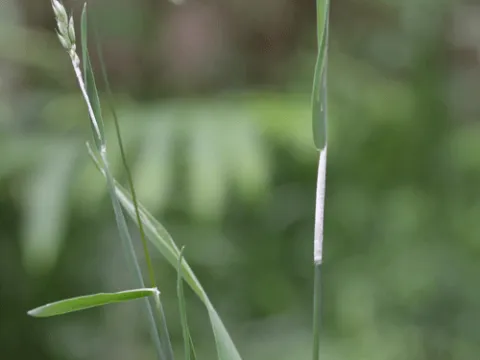
Epichloe clarkii
Epichloe clarkii
The causal agent of this disease is the endophytic fungus Epichloe clarkii, a member of the Clavicipitaceae family that specializes in specific grass species.
What the section contains
Epichloe clarkii
This pathogen lives internally within the host plant, inhabiting the intercellular spaces of stems and leaves without causing immediate visible damage to the plant tissue.
The life cycle of the fungus involves a vegetative growth phase within the plant and a sexual reproductive phase where a fungal stroma is formed on the exterior of the stem.
Dissemination occurs via two pathways: vertical transmission through seeds and horizontal transmission through spores carried by insect vectors, primarily flies.
The fungus is known for producing specific secondary metabolites that can influence the plant's metabolic pathways and potentially impact the health of grazing livestock.
The most distinctive symptom of infection is the development of a white to cream-colored fungal stroma that encases the stem during the plant's reproductive phase.
This stroma acts as a physical barrier, preventing the emergence of the seed head, a condition commonly referred to as "choke disease."
Infected tillers often show signs of stunted growth, distortion, or premature senescence compared to healthy plants in the same sward.
The lack of a fully developed inflorescence on the affected tillers is a reliable indicator that the plant has been colonized by the fungus.
- White or yellowish fungal growth on the upper stems.
- Prevention of normal spike development.
- Physical distortion or shortening of the affected tillers.
The development of Epichloe clarkii is highly dependent on environmental conditions, particularly high humidity during the grass flowering season.
Moderate temperatures and wet weather favor the germination of ascospores and the subsequent infection of susceptible grass tillers.
The presence of specific insect vectors is critical for the sexual cycle of the fungus, as these insects facilitate the transfer of spores between grass heads.
Dense grass stands create a microclimate with reduced air circulation, which helps maintain the humidity levels necessary for the fungus to thrive.
Poor management practices, such as infrequent mowing, can allow infected tillers to complete their cycle and release more spores into the environment.
The primary impact of the disease is the sterilization of the infected tillers, as the fungus physically prevents seed production and dispersal.
For seed production farms, this can lead to significant economic losses, reducing the viability of affected fields for harvesting purposes.
The presence of alkaloids produced by the endophyte can render the forage toxic or unpalatable to livestock, posing health risks in pasture systems.
Infected plants may exhibit reduced vigor and competition, leading to a gradual decline in the overall quality and density of the grass pasture.
Widespread infection disrupts the agricultural productivity of the land, requiring significant intervention to restore the health of the grass stand.
The most reliable control measure is the utilization of certified seed lots that are verified to be free from endophytic infection.
Regular and timely mowing of the grass sward before the fungal stroma matures helps disrupt the spore dissemination cycle of the pathogen.
Maintaining spatial isolation between seed crops and wild grass habitats can prevent the influx of spores from natural reservoirs of the fungus.
Implementing proper pasture management, including appropriate stocking rates and cutting schedules, minimizes the conditions that favor fungal outbreaks.
While chemical control is generally not recommended or feasible due to the internal nature of the infection, breeding for host resistance remains a priority.