
Epicoccum blight
Epicoccum pimprinum
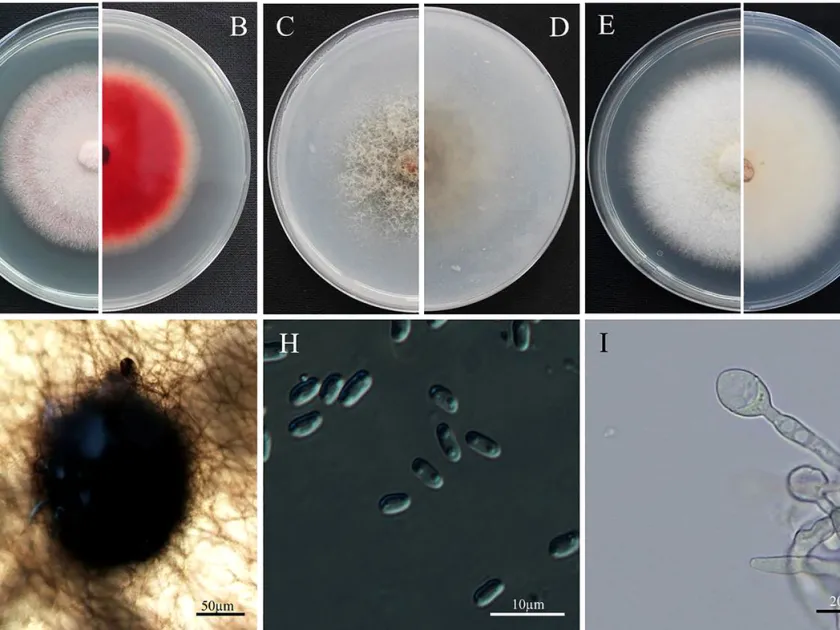
Description
Symptoms
Symptoms typically manifest as necrotic lesions that start as small, discolored spots on leaves or stems. As the infection progresses, these spots expand, often developing a characteristic halo that distinguishes the lesion from other fungal diseases.
In humid conditions, the lesions become covered with a dense, colorful mold ranging from orange to dark brown or black. This represents the sporulating structures of the fungus and is a hallmark of an active infection in the field.
Affected plant parts eventually turn necrotic and may wither completely. In crops such as cereals or vegetables, the disease can spread to the reproductive organs, leading to deformed seeds or blemished fruit that are unfit for market.
Heavy infections can cause premature leaf senescence, significantly reducing the green surface area available for photosynthesis. This results in stunted growth and a general lack of vigor in the entire plant population.
- Dark, irregular necrotic spots.
- Characteristic orange to black mold growth.
- Browning and subsequent wilting of leaf edges.
- Reduced fruit set or quality degradation.
- Premature defoliation of the crop.
Pathogen
The disease is caused by the fungus Epicoccum pimprinum, a common and ubiquitous species frequently associated with plant tissues. While often considered a secondary saprophyte, it can behave as a facultative parasite, causing significant damage under favorable environmental conditions.
This fungus produces abundant conidia that are disseminated through air currents. Its ability to colonize various substrates makes it a versatile pathogen capable of surviving in diverse agricultural ecosystems throughout the year.
The pathogen overwinters primarily as mycelium or as resilient spores in crop debris left on the field. Once environmental conditions stabilize, it resumes growth, producing a new generation of spores that initiate infection on susceptible hosts.
Biological studies suggest that Epicoccum pimprinum possesses a robust enzymatic system, allowing it to penetrate host tissues and utilize stored carbohydrates, which disrupts the normal physiological processes of the affected plants.
The genetic variability of different strains can influence the severity of the disease. In some regions, specific strains have shown higher virulence, posing an increased challenge for traditional disease management practices.
Conditions for development
The development of Epicoccum blight is heavily influenced by humidity levels. Persistent moisture, such as dew or frequent rain, is essential for the germination of spores and the successful establishment of the fungus on host tissues.
The fungus thrives in moderate to warm temperatures, with the range of +18°C to +26°C being ideal for rapid disease spread. During these periods, the pathogen's life cycle accelerates, leading to significant outbreaks in a matter of days.
Cultural practices that promote poor air circulation, such as high-density planting or inadequate weed control, create a humid microclimate. These conditions are conducive to the accumulation of spores on the plant surface.
Plants under physiological stress, whether from drought, nutrient deficiency, or prior damage by pests, are significantly more susceptible to the infection. The fungus readily exploits such weakened tissues to gain a foothold.
The accumulation of infected crop residue in the field serves as a constant inoculum reservoir. This is particularly problematic in minimum-tillage or no-till farming systems where residues are left on the surface.
Why it matters
The primary damage caused by the disease is the reduction in photosynthetic area, which leads to lower yields. The plants are unable to produce enough assimilates, resulting in smaller seeds or reduced fruit size.
In post-harvest scenarios, the pathogen can cause significant decay in stored produce, particularly in fruits and vegetables. This leads to substantial economic losses during transit and storage stages of the supply chain.
Quality reduction is another major concern. The presence of fungal blemishes makes the produce less attractive, often rendering entire batches unsellable for retail, even if the nutritional content remains largely intact.
Infected crops are also more prone to secondary infections, as the fungal damage weakens the plant's structural integrity and defensive mechanisms, making the crop vulnerable to a suite of other pathogens.
The necessity for frequent fungicide applications increases production costs and may lead to challenges with fungicide resistance if products are not managed correctly, threatening the long-term profitability of the farm.
Protection
Integrated disease management (IDM) is the most effective approach. This includes the use of strict crop rotation, ensuring that at least three years pass before returning the same crop to a field, which breaks the pathogen's life cycle.
Deep plowing is highly recommended as a sanitation measure to bury infected crop residues. By decomposing the material deep in the soil, the primary source of overwintering inoculum is effectively eliminated.
Maintaining a balanced nutritional program helps plants grow stronger and more resistant to infections. Sufficient potassium levels, in particular, are known to support the development of thick cell walls that resist fungal penetration.
Chemical control via fungicides should be applied proactively based on scouting and environmental monitoring. Using systemic fungicides can provide longer-lasting protection compared to contact products, especially during the peak infection season.
Ensuring proper plant spacing and managing weed competition helps improve airflow within the canopy. This reduces the time that foliage stays wet, creating an environment that is less suitable for the development of Epicoccum pimprinum.
Discussion
No discussions yet — be the first.