
Epichloe coenophiala
Epichloe coenophiala
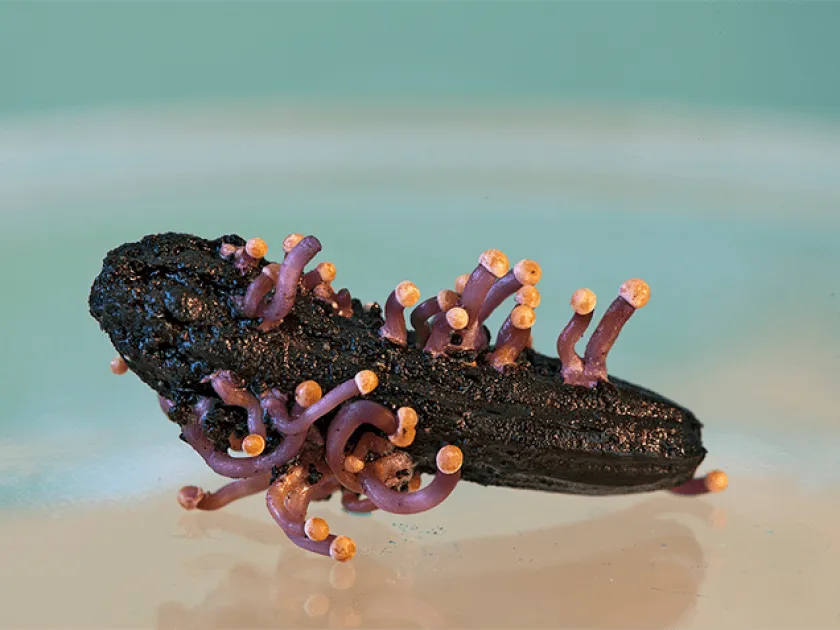
Description
Symptoms
There are no visible diagnostic symptoms on the plant leaves or stems, as the fungus does not cause chlorosis, wilting, or necrosis.
Identification requires specific laboratory analysis, such as ELISA tests or microscopic staining, to detect fungal hyphae in plant tissue.
Some agronomic studies suggest that infected plants may exhibit increased resistance to drought and herbivory, which can be an indirect marker.
Farmers cannot determine the infection status of a pasture simply by walking through the field and inspecting the vegetation.
Specialized diagnostic procedures are essential during the seed certification process to ensure the absence of this endophyte.
Pathogen
The causal agent is the fungal endophyte Epichloe coenophiala, a systemic parasite that lives within the tissues of tall fescue (Festuca arundinacea).
This fungus completes its life cycle entirely within the grass plant, maintaining a persistent and symbiotic relationship with the host.
It spreads vertically through infected seeds, meaning the fungus grows inside the embryo, ensuring its transmission to the next generation of plants.
The mycelium resides in the intercellular spaces of stems and leaves, extracting nutrients from the host while providing the plant with survival benefits.
Unlike necrotrophic pathogens, this fungus does not cause visible lesions, effectively hiding its presence from casual inspection.
Conditions for development
The development of the fungus is perfectly synchronized with the physiological growth stages of the tall fescue host plant.
There is no horizontal transmission (spore spread) in the field; infection is restricted to infected seeds and the vegetative spread of rhizomes.
The concentration of alkaloids fluctuates throughout the growing season based on environmental stress factors and the physiological age of the grass.
Host plant genetics play a significant role in how well the endophyte colonizes the plant tissues and produces toxins.
Environmental conditions that favor lush tall fescue growth generally support high activity levels of the fungal endophyte.
Why it matters
The fungus produces ergot alkaloids that cause severe toxicosis in grazing livestock, particularly cattle, sheep, and horses.
Fescue toxicosis results in significant health issues and reduces the overall profitability of livestock operations.
- Reduced weight gain and lower milk production in dairy cattle.
- Increased body temperature and intolerance to heat stress (summer syndrome).
- Reproductive issues, including prolonged gestation and lower conception rates.
- Peripheral vasoconstriction leading to lameness or gangrene in extreme cases.
The toxicity persists through the harvest process, meaning that hay produced from infected stands remains dangerous for animals.
The economic impact involves veterinary expenses, loss of livestock performance, and the necessity to replace contaminated pastures.
Protection
The primary control strategy is the exclusive use of endophyte-free or novel-endophyte certified seed varieties.
Testing seed lots for the presence of Epichloe coenophiala is a mandatory step for conscientious pasture management.
In cases of heavy infestation, complete pasture renovation by destroying infected plants and reseeding with safe varieties is recommended.
Grazing management strategies, such as diluting infected forage with other grasses or providing dietary supplements, can mitigate clinical signs.
Continued research into plant breeding is vital to develop grass varieties that maintain resilience without the production of harmful alkaloids.
Discussion
No discussions yet — be the first.