
Epicarp damage
Insect feeding
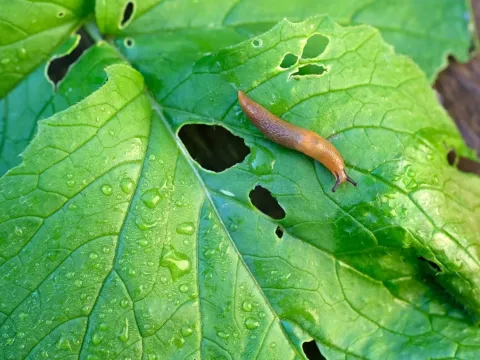
Epicarp damage appears as visual defects on the outer shell of the fruit. Spots, lesions, or discolorations form on the surface, which often have an irregular shape and varying depth of penetration.
What the section contains
Epicarp damage
In the areas of punctures or scraping of the epicarp tissues, gum or sap exudation is often observed as a defensive reaction of the plant to mechanical injury. Over time, these areas dry out and become rough.
In crops such as pistachio, epicarp damage leads to discoloration of the pericarp. In the early stages, this may manifest as light dots, which gradually merge into large necrotic zones of brown or black color.
When examining the fruit, one can often notice the presence of feeding traces from the mouthparts of pests or secondary fungal infection that enters the fruit through the damaged tissues.
Unlike physiological spots, insect-caused damage often has a systemic nature within the orchard and is linked to specific stages of fruit development or pest activity peaks.
The agents of epicarp damage are a complex of sucking and chewing insects. These include various species of bugs, leafhoppers, thrips, and certain beetles that use the pericarp tissues as a source of nutrients.
The type of damage is mechanical and toxicogenic. During feeding, insects not only destroy the integrity of the covering tissues but often inject saliva containing enzymes that cause necrosis of the epicarp cells.
Biologically, epicarp damage is classified as insect feeding. It is not an infectious disease in the classic sense, however, it creates entry points for various pathogenic microorganisms.
Pests that are active during the fruit-filling period, when the epicarp is succulent and rich in nutrients, play a key role in the development of this type of damage.
It is important to understand that the aggressiveness of the pest directly depends on the climatic conditions of the region, as warm weather stimulates rapid reproduction of insects that cause such defects.
The development of damage is facilitated by warm and dry weather, which ensures high pest population density. Under these conditions, the period of active insect feeding on fruits is significantly extended.
Violation of agricultural practices, in particular the presence of weeds in or near orchards, which serve as reservoirs for pests, dramatically increases the risk of epicarp damage in fruit crops.
Weakened plants experiencing moisture or nutrient deficits become more attractive to insects, as their epicarp may possess a specific composition that attracts pests.
The plant's phenology plays an important role: the period of intensive fruit growth, when the epicarp is still soft, is the most critical time for protection against insect impact.
The absence of natural enemies of pests in the agroecosystem, caused by excessive use of broad-spectrum insecticides, leads to population outbreaks of insects that damage the fruits.
The primary damage is the loss of commercial appearance of the produce. Fruits with damaged epicarp are rejected during sorting, as they do not meet quality standards for market sale.
Epicarp damage opens the way for the development of fungal and bacterial rots. Pathogens penetrate through micro-cracks, which leads to the spoilage of the inner part of the fruit and significant harvest losses during storage.
With severe damage, fruit growth slows down because the plant is forced to spend plastic substances on regenerating damaged tissues instead of directing them toward seed or nut maturation.
For crops such as pistachio, significant epicarp damage can lead to premature fruit drop, which directly reduces total yield and farm profitability.
Furthermore, damage contributes to reduced fruit shelf life and transport stability, as the natural protective barrier that prevents moisture loss and secondary infection is compromised.
The primary protection method is monitoring pest populations using pheromone traps. This allows for the timely detection of the beginning of mass insect flight and the implementation of protection measures before epicarp damage begins.
It is necessary to strictly maintain orchard phytosanitary regulations. Regular weeding of inter-rows deprives pests of breeding and hiding grounds, which significantly reduces pressure on the orchard.
The use of biological control agents, such as releasing entomophagous insects or applying biopreparations based on antagonistic fungi, allows for pest control without harming beneficial insects.
In case of high threat, the application of insecticides during critical fruit development phases is recommended, strictly following application regulations to minimize pesticide residues.
- Timely pruning and thinning of the canopy for better aeration and light penetration.
- Maintaining optimal irrigation levels and mineral nutrition.
- Installation of barrier nets to protect the most valuable parts of the orchard.