
Epichloe
Epichloe
Description
Symptoms
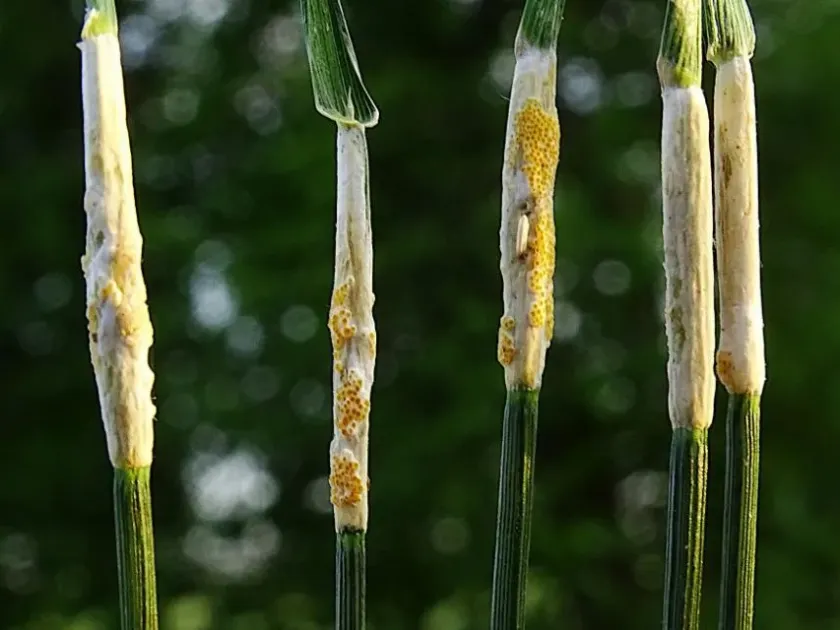
The most distinctive symptom is the formation of a white or yellow fungal stroma that wraps around the stem, often preventing the grass from flowering.
This condition is frequently referred to as choke disease because the fungal growth chokes the developing inflorescence, causing it to fail to emerge or to be distorted.
Infected plants may exhibit stunted growth, reduced tillering, and an overall loss of vigor compared to healthy grass specimens in the same field.
During the spore production stage, the fungal mats become more dense and eventually darken as they mature and produce conidia or ascospores.
Symptoms are typically most apparent during the growing season when the grass is attempting to produce seeds, revealing the internal colonization by the fungus.
Pathogen
The disease is caused by fungi of the genus Epichloe, which are members of the Ascomycota phylum. These fungi live as endophytes within the tissues of various grass species.
The life cycle involves both sexual and asexual stages, with the fungus often transmitting through seeds of the host plant, allowing it to persist in agricultural environments.
These endophytes grow in the intercellular spaces of grass, remaining undetected by the plant's immune system for long periods during their colonization phase.
Epichloe typhina is a well-known representative of this group, commonly causing visible symptoms known as choke disease in various perennial grasses.
The relationship between the fungus and the host is complex, ranging from mutualistic to parasitic, which complicates management decisions in agricultural settings.
Conditions for development
High relative humidity and moderate temperatures are primary drivers for the transition of the fungus to its reproductive stage and the development of symptoms.
Dense grass stands create a favorable microclimate, trapping moisture and providing ideal conditions for the fungus to develop its characteristic stroma.
Stress factors, such as nutrient deficiencies or drought, can weaken the plants and make them more susceptible to the overt expression of the disease.
Spread is facilitated by wind-dispersed spores and the usage of infected seeds during the establishment of new pastures or turf areas.
Wild grasses in nearby borders act as reservoirs, maintaining the inoculum and allowing the disease to return season after season.
Why it matters
The primary economic impact is the sterilization of affected plants, leading to a total loss of seed yield in areas where the disease is prevalent.
Some species of Epichloe produce alkaloids that are toxic to grazing livestock, potentially causing neurological issues or poor weight gain in cattle and sheep.
Forage quality and biomass production are significantly reduced, leading to lower productivity in permanent pastures and hay fields.
Increased susceptibility to other environmental stresses is observed, which can eventually lead to the loss of valuable grass species from the sward.
Financial losses occur due to the need for field renovation and the potential risk of animal health problems if contaminated forage is consumed.
Protection
The most effective strategy is the use of endophyte-free certified seed to prevent the initial introduction of the fungus into the field.
Maintaining optimal stand density and improving aeration through proper management can help mitigate the conditions favoring fungal development.
Strategic grazing management should be employed to ensure that livestock do not ingest toxic levels of alkaloids produced by infected grasses.
Monitoring and removal of early infected patches can limit the spread of inoculum across the field throughout the growing season.
While chemical fungicides may provide temporary relief, prevention remains the gold standard in the management of Epichloe in commercial agriculture.
Discussion
No discussions yet — be the first.