
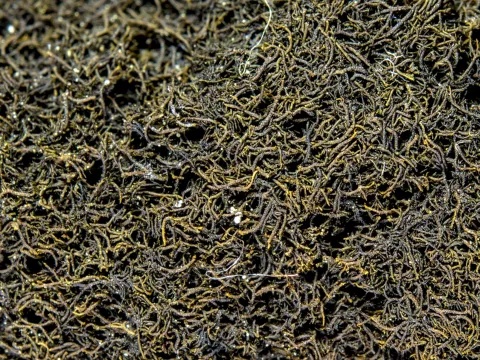
Ephebe
Ephebe
Ephebe is a genus of fungi often associated with lichenized structures that can act as opportunistic pathogens on various plant hosts. While often found in natural environments, under certain conditions, these fungi can colonize agricultural crops, causing significant stress.
What the section contains
Ephebe
The pathogen is classified within the Ascomycota phylum. It functions as a complex organism, often involving a symbiotic relationship with cyanobacteria, which enhances its survival capability in diverse ecological niches.
The fungus attaches firmly to the host's epidermis, extending its hyphae into the plant tissues. This infiltration allows the pathogen to siphon nutrients and interfere with the host’s normal physiological and metabolic processes.
Spore dispersal is the primary method of propagation, driven by wind and rain splashing. This mechanism allows the fungus to spread rapidly across fields, particularly under favorable environmental conditions.
Due to its specialized structure, the pathogen is highly resilient to environmental stress, enabling it to persist in the soil or on crop debris for extended periods between growing seasons.
The disease typically manifests as dark, hardened crusts or granular structures on the surface of stems and leaves. These growths are firm and often significantly alter the texture of the affected plant part.
In areas of colonization, the plant epidermis may become chlorotic or discolored, indicating a disruption in chlorophyll production and light absorption due to the presence of the fungal crust.
Deformation of plant organs, such as twisting of stems or stunted development of leaves, is a common symptom. These deformities result from the localized necrosis caused by the fungus’s metabolic activity.
Visual identification is aided by the presence of rough, non-reflective patches on the plant surface. Unlike natural growth, these patches exhibit a rigid, lichen-like consistency that does not wash off with water.
As the infection advances, tissue necrosis becomes more pronounced, often leading to premature yellowing and eventual shedding of affected leaves, weakening the plant's overall structural integrity.
High humidity and prolonged leaf wetness are the primary drivers for the development and spread of Ephebe. Persistent rainfall or dew-heavy environments create the ideal microclimate for the pathogen.
Moderate temperatures generally favor the activity of the fungus. While it can survive extremes, the metabolic rate and colonization speed increase significantly within typical temperate climate ranges.
Dense crop canopies that limit airflow and trap humidity significantly increase the risk of infection. Poor field management, such as overcrowding, encourages the rapid transition from small spots to widespread infestation.
Over-fertilization, particularly with nitrogen, can result in succulent growth that is more susceptible to fungal penetration. Proper drainage is essential to prevent moisture accumulation around the plant base.
Old plant debris and infected weeds act as primary reservoirs for the pathogen. These sources allow the fungus to overwinter and reinfect new crops when environmental conditions become suitable in the spring.
The primary impact of Ephebe infection is a reduction in plant vigor and biomass production. The plant diverts critical energy resources toward defense mechanisms, leading to significant yield loss.
Photosynthetic capacity is reduced due to tissue coverage and necrosis, directly impacting the final size and quality of fruit, grains, or forage material produced by the affected crop.
Structural damage, such as stem weakening, leaves the crop more vulnerable to lodging caused by wind or rain, further complicating harvesting processes and reducing total recoverable yield.
The compromised epidermis of the plant creates entry points for secondary bacterial and fungal pathogens, which can exacerbate the disease progression and cause total loss of individual plants.
Economic damage includes both the loss of crop value and the increased operational costs associated with applying fungicides and managing the spread of the infection throughout the field.
Effective management begins with strict field hygiene, including the removal and destruction of crop residues that may harbor the fungus. Proper spacing is essential to ensure adequate airflow.
Crop rotation practices can help disrupt the life cycle of the pathogen by removing suitable hosts for at least one season, thereby reducing the spore load in the soil significantly.
Fungicidal treatments, particularly those with systemic action or copper-based compounds, are recommended when early signs of the infection are detected to prevent widespread development.
Continuous monitoring of the field is crucial. By identifying small patches early, growers can perform spot treatments or localized removal, preventing the pathogen from covering the entire crop area.
Enhancing plant resistance through balanced fertilization and the use of healthy, certified seeds is a long-term strategy that builds a robust defense against fungal infections like Ephebe.