
Dogwood anthracnose
Elsinoë corni
Dogwood anthracnose is a fungal disease caused by the pathogen Elsinoë corni. This specialized fungus primarily targets plants in the genus Cornus, specifically impacting the health of dogwood species.
What the section contains
Dogwood anthracnose
The fungus overwinters primarily in infected fallen leaves and dormant twigs. During the spring, as temperatures rise and moisture levels increase, the pathogen releases spores that initiate primary infections.
The life cycle of the fungus involves both sexual and asexual stages. Conidia, the asexual spores, are produced in large numbers and are spread by rain splash and wind to new, healthy leaves and shoots throughout the growing season.
Upon landing on a suitable host surface, the spores germinate and penetrate the plant tissue. The fungal hyphae then invade the intracellular spaces, causing localized cell death and tissue necrosis.
Environmental conditions play a critical role in the dispersal and success of the fungus, making dogwood plants particularly vulnerable in regions with high humidity and frequent rainfall.
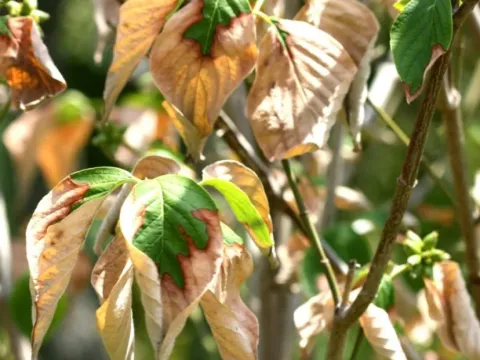
The first signs of infection typically appear as small, circular, or irregular spots on the leaves. These spots are often surrounded by a distinct purple or reddish margin, helping to distinguish them from other leaf disorders.
As the disease progresses, the centers of the spots may turn gray or light brown. In some cases, the infected tissue may crack and fall out, creating a "shot-hole" appearance on the foliage.
On young twigs and branches, the fungus causes elongated, sunken cankers. These lesions disrupt the plant's vascular system, often leading to twig dieback and stunted growth in affected areas.
If the infection reaches the fruit, dark, sunken spots develop, which may eventually lead to the fruit shriveling, rotting, or dropping prematurely from the tree.
During wet weather, a microscopic fungal layer may become visible on the underside of infected leaves, which serves as a major source for secondary infections on the same or adjacent plants.
Dogwood anthracnose thrives in cool, moist, and shaded environments. High humidity and persistent dampness on leaf surfaces are the most critical factors for the rapid spread of the disease.
Poor air circulation within the tree canopy, often resulting from excessive foliage density or lack of proper pruning, keeps the leaves wet for longer periods, significantly increasing the likelihood of infection.
The disease is particularly severe in seasons with frequent spring rains and cool, cloudy weather, as these conditions favor spore production and fungal colonization of tender new growth.
Proximity to other infected trees or the presence of significant amounts of decomposing leaf litter under the tree serves to boost the inoculum level in the garden environment.
While the fungus can tolerate a range of temperatures, the synergy between adequate warmth and moisture during the spring months is what drives the epidemic nature of this disease.
The primary damage caused by anthracnose is the premature loss of foliage, which reduces the plant's ability to perform photosynthesis and store energy for the following season.
Twig dieback and the development of trunk or branch cankers can significantly weaken the tree's structure and aesthetic value over time, eventually leading to the death of the entire specimen if left untreated.
Infected dogwoods suffer from reduced vigor, making them more susceptible to secondary stressors such as insect attacks, drought, and extreme winter temperatures.
Fruit production is negatively impacted by the disease, as infected berries are of low quality, unattractive, and prone to rapid decay, rendering them useless for harvest.
Repeated annual infections can lead to a state of chronic decline, where the tree gradually loses its vitality, resulting in a sparse canopy and eventually the complete loss of the tree.
Sanitation is the cornerstone of managing dogwood anthracnose. This includes the careful collection and removal of all fallen leaves and the pruning of dead or cankered twigs to reduce the pathogen population.
Pruning should be performed during dry weather to ensure that cuts heal quickly and to avoid spreading fungal spores from one branch to another via contaminated tools.
Fungicide applications, particularly those containing copper or other approved active ingredients, can be used as a preventative measure during the critical bud-break and leaf-development stages.
Improving the cultural environment by thinning the canopy and ensuring proper spacing between plants helps increase airflow, which keeps leaf surfaces dry and inhibits fungal growth.
- Regularly fertilize to maintain overall plant health and vigor.
- Avoid overhead irrigation, which keeps foliage excessively wet.
- Always sterilize pruning tools with alcohol after every cut.
- Select resistant dogwood varieties when planting new trees in the garden.