
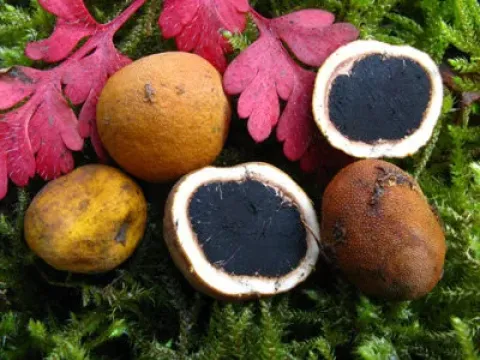
Elaphomyces
Elaphomyces
The genus Elaphomyces, commonly referred to as the "deer truffle," belongs to a group of hypogeous ascomycete fungi. While often viewed as a forest inhabitant, in specific agricultural and nursery contexts, it acts as a significant biotic factor affecting tree health.
What the section contains
Elaphomyces
These fungi are obligate ectomycorrhizal symbionts that live underground. They interact intimately with tree roots, often forming thick, dense mantles that alter the normal physiological functions of the host's root system.
The lifecycle of Elaphomyces is characterized by the production of spore-filled fruiting bodies beneath the forest floor or nursery soil, which are adapted for long-term survival in various environmental conditions.
Unlike common foliar pathogens, Elaphomyces affects the tree at the subterranean level, influencing nutrient uptake and water absorption by hijacking the resources typically reserved for the plant.
Understanding the biology of Elaphomyces is crucial for foresters and nursery managers, as it represents a shift in the microbial balance of the rhizosphere that can be detrimental to young, developing seedlings.
The most visible indicator of Elaphomyces presence is the discovery of round or tuber-shaped fruiting bodies, which possess a tough, outer skin known as the peridium.
Root system inspection often reveals stunted or swollen root tips enclosed within a protective fungal sheath, which distinguishes affected trees from those with healthy, branched mycorrhizae.
Above-ground symptoms in saplings often include chlorosis or reduced vigor, reflecting the nutrient deficiency caused by the fungal competition for minerals and moisture.
The presence of fine, dark spore dust escaping from damaged fruiting bodies within the soil profile is a clear indication of a mature and spreading fungal colony.
During the growing season, a damp, musky odor near the root zone may indicate high levels of fungal activity in the soil, often drawing attention to the site of infection.
Elaphomyces species typically thrive in acidic, organic-rich forest soils where a stable moisture supply is maintained throughout the year.
Environmental conditions characterized by high humidity and moderate temperatures provide an ideal setting for the rapid expansion of mycelial networks within the soil.
In forest nurseries, dense planting schemes can exacerbate the spread of the fungus, as root-to-root contact facilitates the migration of the pathogen between individual seedlings.
Poor soil drainage and stagnant water levels significantly contribute to the intensity of Elaphomyces development, creating a reservoir for fungal spores.
The lack of periodic soil turnover and exposure to UV light allows the fungus to establish deep, perennial colonies that are difficult to eradicate with simple surface treatments.
The primary harm caused by Elaphomyces is the reduction of seedling vitality, which stems from the fungus sequestering essential nutrients needed for tree growth.
By interfering with the development of healthy mycorrhizal associations, the fungus stunts root development, making the seedlings less resilient to environmental stressors.
The creation of structural damage to the root tips opens pathways for opportunistic soil pathogens, potentially leading to secondary root rot and plant mortality.
From an economic perspective, Elaphomyces leads to increased culling rates in nurseries and higher costs associated with remediation and plant protection measures.
Long-term colonization by this fungus can decrease the survival rate of outplanted seedlings, impacting the overall success of reforestation or plantation projects.
Strict nursery hygiene, including the sterilization of potting media and soil substrates, is the first line of defense against Elaphomyces establishment.
Amending soil pH levels through liming can create an environment less favorable for the fungus, as many species prefer more acidic conditions.
Improving soil aeration and drainage through proper site preparation prevents the accumulation of excessive moisture that the fungus requires for active colonization.
Routine monitoring and the immediate removal of any detected fruiting bodies, along with the surrounding soil, can help reduce the local spore bank.
When infestation is detected, the application of targeted soil fungicides, compliant with local forestry regulations, can help suppress mycelial growth and restore root health.